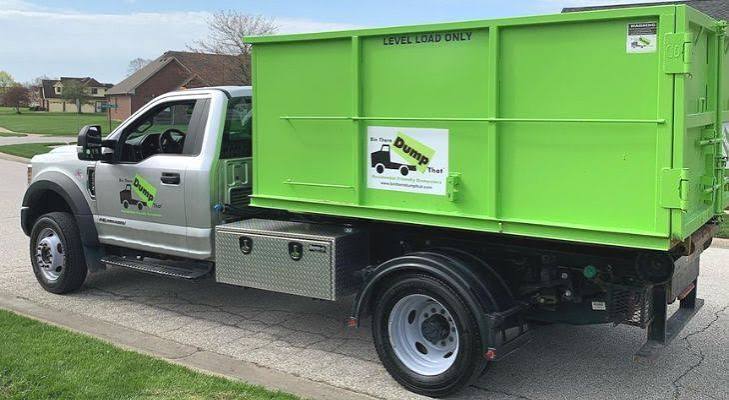
How to load a dumpster efficiently with the level-load method
⏱️ 8 min read · Last updated: 2026
How to load a dumpster efficiently starts with one simple idea: keep the load flat. Spread the heavy stuff across the floor, break big pieces down before they ever touch the dumpster, and keep everything below the top rail — that’s the level-load method. It fits more debris, cuts down on pickup headaches, and saves you from surprise handling fees that add up fast.
- Max fill line height: in most roll off dumpster rentals, debris must stay level with the top rail or below the posted level load line.
- Weight distribution guidance: keep heavy debris loading spread across the floor, not piled in one corner, so the dumpster rides and lifts more evenly.
- Capacity gained by proper loading percentage: breaking down bulky items and level-loading commonly adds about 10% to 20% more usable space compared with tossing debris in loose.
- A 20 yard dumpster is often the sweet spot for garage cleanouts, small remodels, and mixed household debris when space is packed efficiently.
- Overfilling is one of the fastest ways to trigger a failed pickup or extra handling charge, even if the dumpster itself is not overweight.
What actually determines the right answer here
Loading a dumpster efficiently depends on three things: the kind of debris you’re tossing, how much it weighs, and whether you need the container picked up without any delay. For mixed loads, flat-and-fill is the move — spread it out, plug the gaps, and finish with lighter compressible stuff on top.
That said, the exact order matters more than people think. Big items first? That’s only half right. Bulky debris creates air pockets and angled piles, so you can hit the fill line before the box is actually full. Once that happens, you’re stuck rearranging in the heat instead of finishing the job.
For Rome, GA projects, efficient loading matters because local rental costs spike when a container gets overloaded or requires a second trip. Comparing the rental price alone against the overage risk is smart; our local breakdown of dumpster rental Rome GA shows why the cheapest quote isn’t always the cheapest final bill.
Quoteable line: Level-loading a roll off dumpster usually recovers about 10% to 20% more usable space than loose stacking because the air gaps disappear.
Quick check: Debris is mixed, bulky, oddly shaped? Go flat-first. Mostly loose and crushable — compress as you go and skip the rigid order.
How do I load a dumpster to fit the most debris?

To fit the most debris, start by laying the longest, flattest pieces on the bottom first. Then wedge smaller material around them so the surface stays even. The goal is a level load surface by the halfway mark, not a scrambled pile that needs rework at the end.
This approach works especially well for garage cleanouts, small remodels, and spring purges because it protects space instead of bleeding it away. Once you see how much room the gaps take up, it becomes easier to load with purpose.
- Measure the opening and the tallest items before you touch the dumpster.
- Break down furniture, shelving, cardboard, and framing into flat sections.
- Lay sheets, doors, and plywood flat on the bottom to create a base.
- Place heavy, dense debris across the floor from wall to wall.
- Fill the spaces between large pieces with smaller debris and broken-down material.
- Use light items last to top off voids without rising above the level load line.
Sequence matters more than brute force. A 20 yard dumpster can feel “full” at 60% when debris is mounded in the middle — but flatten and spread that same load, and you’ll fit another room’s worth of material. The math stops working fast when you pile instead of layer.
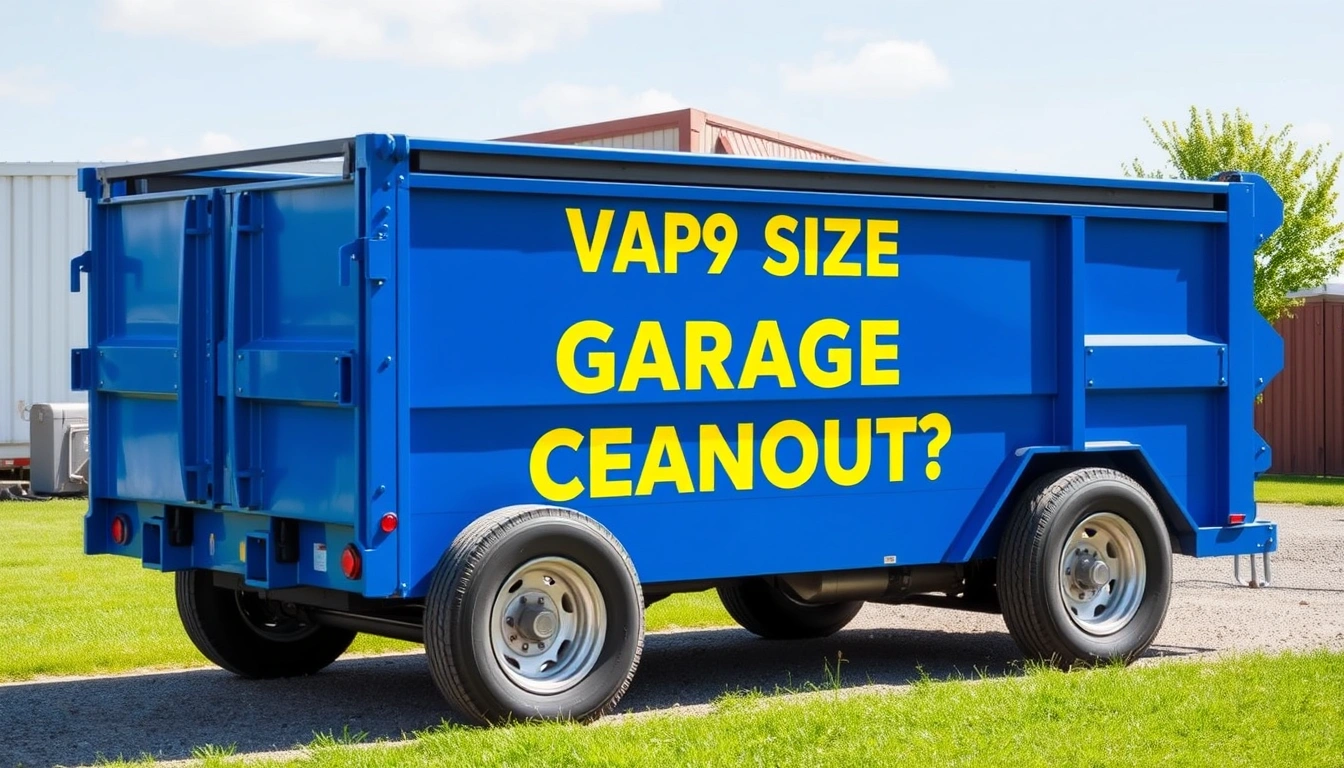
When you’re choosing a dumpster size for a garage project, look at load shape first and volume second. In many cases, a smarter packing pattern beats ordering a bigger box. For a practical sizing check, the guide on what size dumpster for garage cleanout beats guessing by truckload math.
Quick check: Tall gaps after loading the first third? Flatten and spread before you keep going.
What is the best way to load heavy debris in a roll off?
Heavy debris goes low, centered, and spread across the floor. Concrete, tile, dirt, brick, shingles, plaster — none of that should pile up in one corner if you want a stable load and a smooth pickup.
From there, build upward in layers. Dense material should form the base, then medium debris can bridge the spaces, and lighter material can finish the top. That order helps the load settle evenly instead of tipping toward one side.
Load heavy debris in thin layers, not one mound. A 6-inch layer spread across the floor is safer and easier to balance than a single 2-foot pile in one spot.
Weight limits matter here — sometimes more than volume. A 20 yard dumpster can look half empty and still be near tonnage when tile, dirt, or shingles go in too aggressively. That’s why local pricing on dumpster rental Rome GA cost should always be read alongside what kind of debris you’re loading, not just how much room it seems to occupy.
Simple rule: heavy debris first, spread thin. Medium debris next. Light debris after that. Then a final check for anything poking above the rail. Sloped load? Stop. Level it before adding more.
Quick check: Heaviest material is dirt, concrete, or shingles? Think “spread,” not “stack.” Drywall and cabinets? Think “break down, flatten, and layer.”
The part that changes everything

Everything hinges on one line: the level load line. Once debris rises above the top rail, the driver may not be able to tarp it safely. Many haulers won’t touch it at all.
“Why can’t I fill above the top rail?” People ask this because it looks harmless from the ground. It isn’t. Loose boards, drywall, and trash shift during transport. A top-heavy roll off dumpster is harder to secure, harder to unload, and far more likely to violate local hauling rules.
The level load line isn’t a friendly suggestion. It’s the practical boundary between a normal pickup and a headache. Renting in a nearby market? Same rule applies — whether you book a dumpster rental Cedartown GA or one in Rome.
| Situation | Best Path | Why Other Options Fail |
|---|---|---|
| Mixed household debris | Flat base, then fill gaps, then cap with light items | Random stacking leaves air pockets and wastes space |
| Heavy remodel debris | Spread dense material evenly across the floor | Corner loading creates imbalance and poor weight distribution |
| Bulky furniture | Break down before loading, remove legs and panels | Whole furniture pieces trap empty space inside the load |
| Cardboard and soft goods | Compress last to top off voids only | Starting with soft goods squashes them unevenly and forms ridges |
Quick check: See daylight over the top after loading? You still have room. Debris sitting above the rail? Pickup risk.
When standard advice breaks down
Standard advice crumbles when debris is unusually heavy, oddly shaped, soaked, or mixed with items that simply won’t crush. In those cases, the usual “load big first” approach can rob you of space or slam you into a weight ceiling sooner than expected.
- Wet drywall or soaked carpet: Moisture adds weight fast, so load less aggressively and keep the pile lower.
- Concrete and dirt: Use a small, separate layer approach because a full spread can hit weight limits before the dumpster looks full.
- Long lumber and trim: Lay pieces flat along the sides so the center stays usable.
- Cabinets with doors attached: Break them down first or they will trap dead space.
- Mixed junk with sharp metal: Put the metal low and secure it so it does not snag bags or collapse a stacked section.
Your project has any of those conditions? The strategy shifts from maximizing height to protecting the weight limit and preserving shape. Think of the dumpster as having two limits, not one — room and tonnage.
For anyone comparing budgets, the gap between efficient loading and sloppy loading is usually one avoided overage charge, one avoided swap, or one fewer day on site. Still narrowing costs? Use a local quote on dumpster rental rome as a baseline, then adjust for the debris type.
Quick check: Debris is wet, dense, or demolition-heavy? Plan around weight first, volume second.
Common mistakes that cost space and money
The priciest mistake is loading without any plan and then trying to salvage it by crushing everything at the end. That makes the pile taller, not flatter.
Years ago, a fence-and-shed cleanup showed how quickly that goes wrong. The fix was simple: pull half the boards back out, lay them flat against the sides, and rebuild from the base. Since then, the better sequence has always paid off faster than trying to force the last layer into shape.
- Do not throw long items upright unless the container is still nearly empty.
- Do not mix heavy debris with loose trash in the same corner.
- Do not assume a dumpster is full just because the top looks busy.
- Do not stack bags like a pyramid when a flat layer would do.
- Do not ignore the level load line just because pickup is “probably fine.”
Another common miss: underestimating how much a little air space matters. A few inches of wasted gap across the floor can snowball into a real capacity hit — especially in a 20 yard dumpster where the width is fixed and packing is the only variable you control.
Quick check: Load taller in the middle than at the ends? Losing capacity. Flatter and denser? Doing it right.
How long does efficient loading actually take?
Efficient loading usually runs 20 to 45 minutes longer at the start compared with random tossing — but it pays back later. Fewer repacks, fewer extra hauls, no failed pickup. For a garage cleanout, that trade is worth it.
Time split is straightforward. Spend the first 15 minutes breaking down large items, sorting heavy debris, and building the bottom layer. Spend the next 30 to 60 minutes loading in order instead of improvising. You’ll finish with a flatter pile and far fewer surprises.
Loading solo? Use the right tools to keep the work moving instead of pausing to wrestle every awkward piece. Those tools speed up what actually matters — moving debris into place without lifting the same item twice.
Quick check: Rearranging more than moving? You need a better sequence, not more muscle.
- Load heavy debris flat and spread across the floor before adding lighter material.
- Stay under the level load line; above the top rail is a pickup problem, not a bonus.
- Breaking down bulky items can add about 10% to 20% more usable space in practice.
- A 20 yard dumpster is only “full” when the shape is wrong or the weight limit is close, not when the floor is covered.
Common questions about how to load a dumpster efficiently
What does level-loading a dumpster mean?
Level-loading means the debris stays even with, or below, the top rail of the roll off dumpster. The load should not mound above the rim. That keeps pickup safe, prevents shifting during transport, and lowers the chance of a failed haul or extra handling fee.
How do I load a dumpster step by step with photos?
Start by putting flat, heavy pieces on the bottom, then layer smaller debris around them, and finish with compressible material. For photo planning, shoot the container after step 2, step 4, and final leveling so you can see where the gaps and slopes appear before pickup.
Loading heavy vs light debris first — which is better?
Heavy debris should go in first, but only if it is spread evenly. Light debris should come last because it can fill gaps and flatten the top. If you reverse the order, the light material collapses under weight and leaves dead space you cannot recover later.
Why won’t the driver pick up an overfilled dumpster?
Drivers often cannot safely tarp or transport debris that sits above the top rail. An overfilled dumpster can shift on the road, spill material, or fail local hauling rules. If the load is above the level load line, many haulers will require you to remove material before pickup.
How much more can I fit by loading a dumpster properly?
In many real jobs, proper loading adds about 10% to 20% more usable space by reducing air gaps and keeping the top even. The exact gain depends on the shape of the debris, especially with cabinets, lumber, and mixed household items.
Can I mix yard waste and construction debris in one dumpster?
Often yes, but you should keep the heavier construction debris low and the lighter yard waste on top. Wet branches and soil can add weight quickly, so check the rental rules first. Mixed loads are easiest when the heavy material is spread out instead of dumped in one pile.
The bottom line
Loading a dumpster efficiently comes down to shaping the load before you finish it. Flat base. Heavy debris spread across the floor. Stop at the level load line. That approach fits more than random stacking and cuts the odds of a pickup problem — every single time.
Starting today? Break down every bulky item before it enters the container. Leave the tallest pieces for the final check. Pick one thing from this article and try it this week — not all of it, just one. Ready to compare sizes and local logistics next? Start with Dumpster Rental in Rome, GA — Sizes, Local Pricing & Same-Day Delivery.
See also: dumpster rental Rome GA
See also: what size dumpster for garage cleanout
See also: dumpster rental Rome GA cost
Related: next day dumpster Rome
Related: driveway dumpster placement
See also: what can you put in a dumpster Rome GA
See also: dumpster rental Rome GA
See also: roll off dumpster for contractors Rome GA