“`html
Deck Removal Dumpster Size: Pick the Right Dumpster in Rome GA
⏱️ 8 min read · Last updated: 2026
- A 20-yard dumpster usually fits deck removal from about 200 to 300 square feet of decking when the framing is standard 2x lumber.
- Softwood decking weighs roughly 2,000 to 3,500 pounds per full 20-yard load, while wet or dense framing can push the load higher.
- Typical rental cost in Rome GA for a 20-yard dumpster is commonly about $425 to $650, with heavier deck debris or longer rentals costing more.
- Pressure-treated lumber may be accepted only if the hauler allows it, because many facilities handle it differently than untreated deck debris.
- For fence removal dumpster jobs, a 10 to 15-yard dumpster often works for short runs, but a full backyard fence can still justify a 20-yard dumpster.
Choosing the right deck removal dumpster size is one of the first decisions you face when tearing out an old deck in Rome GA. A 300-square-foot platform does not sound big until the framing, railings, and fasteners are stacked in your driveway. That is why a real estimate matters more than a guess based on photos alone.
I have watched a “small” deck fill two full trailer loads because the joists were thick and the boards were wet. I have also seen a clean 220-square-foot deck fit comfortably in a 20-yard dumpster with room to spare. The difference came down to load shape and wood weight—not luck. With that in mind, let’s look at the factors that actually determine deck removal dumpster size.
In most deck removal jobs, the right dumpster is driven more by framing weight and moisture content than by square footage alone.
What factors determine the right dumpster size for deck removal?
Deck removal dumpster size depends on three main variables: square footage, construction complexity, and disposal rules. A flat 200-square-foot deck built with simple 2x framing and dry boards creates a predictable load. Add multiple levels, stairs, lattice, or old pressure-treated lumber, and the required container grows quickly.
The most accurate approach is to consider volume and weight together. A simple deck may fit in a 15-yard dumpster, but most 300-square-foot teardowns land in a 20-yard dumpster once framing and railings are included. For Rome GA homeowners, the practical choice usually comes down to a 20-yard or 30-yard container.
If you also have fence removal debris on the same property, you can sometimes combine loads—provided the hauler allows mixed materials. Just remember that treated wood and heavy framing still control the final deck removal dumpster size decision. For related cleanout projects, see our garage cleanout dumpster or basement cleanout dumpster guides.
Quick check: Under 200 square feet and simple construction? A smaller bin may work. Closer to 300 square feet with stairs and railings? Start with a 20-yard dumpster.
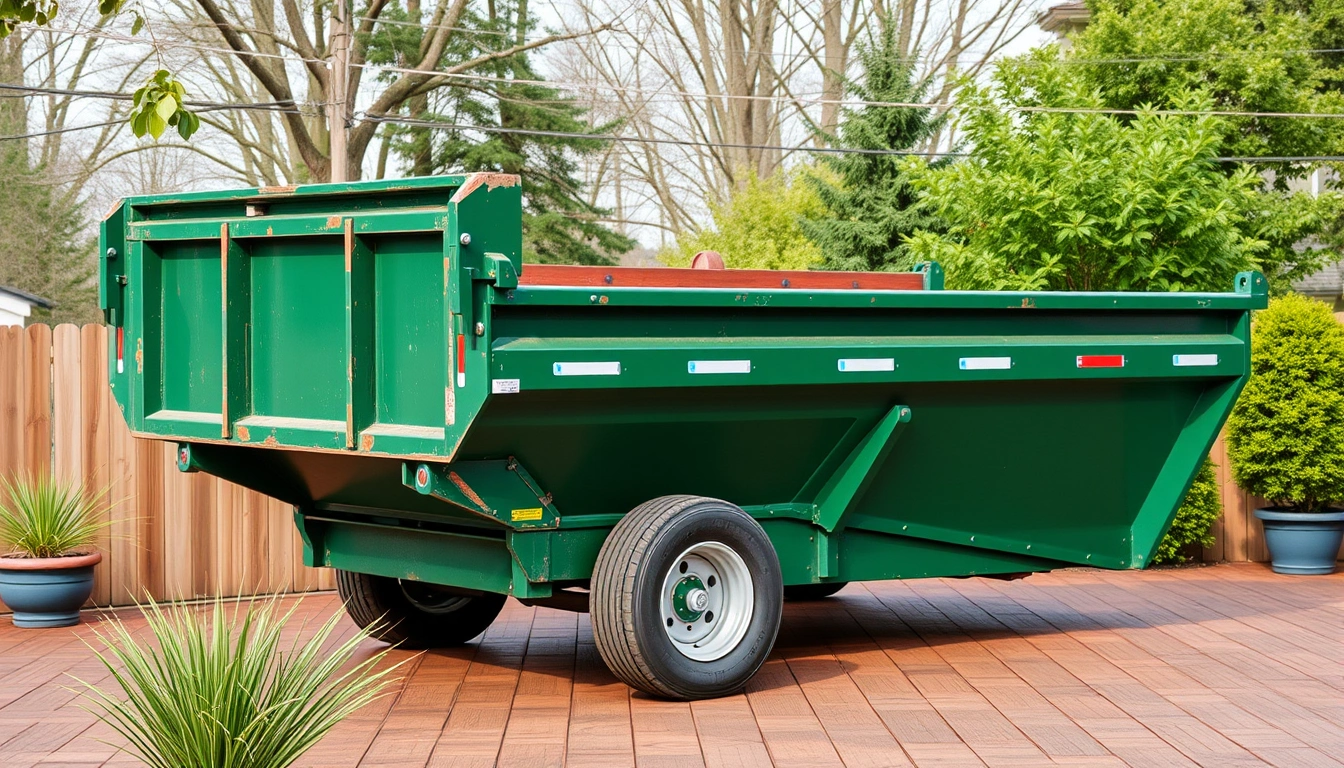
What size dumpster do I need to tear down a 300 square foot deck in Rome GA?
For a 300-square-foot deck in Rome GA, a 20-yard dumpster is the best starting point. If the structure has heavy framing, multiple levels, or wet lumber, move up to a 30-yard dumpster. This square footage is where deck removal dumpster size decisions become critical—guessing wrong costs you a second haul.
Use this simple workflow:
- Measure the deck surface in square feet, including attached landings and stairs.
- Identify the main material: standard wood, pressure-treated lumber, composite, or a mix.
- Count heavy parts separately—railings, joists, beams, and stair stringers.
- Estimate whether the wood is dry or weather-soaked.
- Ask the rental company whether they accept pressure-treated lumber and mixed deck debris.
- Choose the size with headroom, not the one that barely fits on paper.
A typical 300-square-foot teardown creates enough material to fill roughly one truck bed load per 40 to 60 square feet, which is why a 20-yard dumpster is usually the practical starting point. To compare disposal methods, see our junk removal vs dumpster rental Rome GA breakdown.
Quick check: If your deck is 300 square feet with standard lumber, book a 20-yard dumpster and only move up if the structure is unusually heavy.
If you have pressure-treated lumber, the answer changes
Pressure-treated lumber can change the entire plan because disposal rules may be stricter than for untreated wood. Even if the deck removal dumpster size stays at 20 yards, the material acceptance can shift. Some facilities handle treated wood differently, so always ask the hauler before booking.
Pressure-treated lumber is not a size issue first; it is a disposal-rule issue first.
Sorting debris by type helps your load move through disposal without extra steps or fees. Separate clean lumber, treated lumber, and metal fasteners into distinct piles whenever possible. Load the heaviest treated pieces first so the dumpster floor stays stable.
For Rome GA homeowners comparing options, a cleanout dumpster rental often has different material rules than a straight demolition load. Confirm accepted materials before loading the first board.
Quick check: If your deck includes pressure-treated lumber, confirm material acceptance before you book the dumpster, even if the size is already clear.
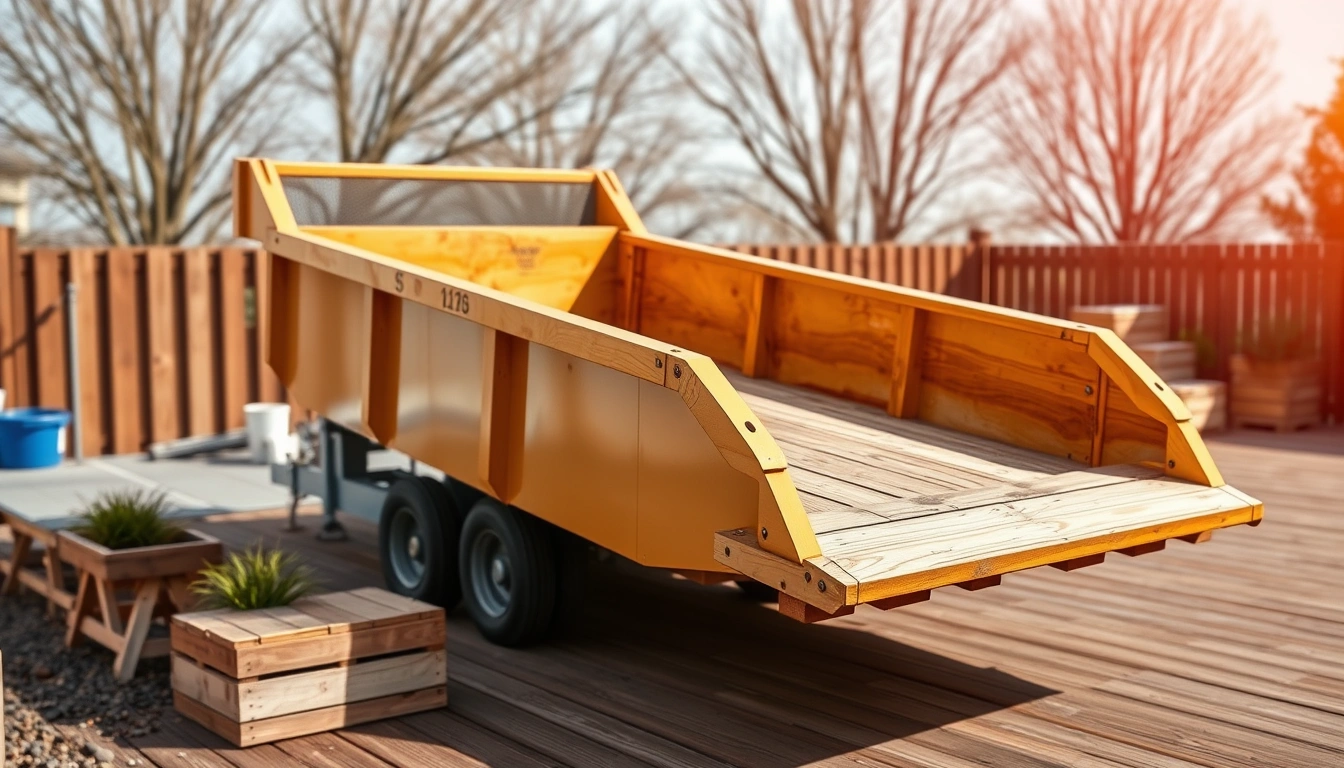
20 yard vs 30 yard dumpster for deck removal — which do you need?
For deck removal dumpster size, the 20-yard wins most often because it balances capacity, driveway footprint, and price. Choose a 30-yard dumpster for large, multi-level, or unusually heavy decks. The comparison below breaks it down:
| Situation | Best Path | Why Other Options Fail |
|---|---|---|
| 150 to 220 sq ft simple deck | 10 to 15 yard dumpster, if allowed | A 20 yard dumpster may be bigger than needed if the load is mostly dry boards. |
| 220 to 320 sq ft standard deck | 20 yard dumpster | Smaller containers run out of room once joists and railings are added. |
| 300+ sq ft deck with stairs and rails | 30 yard dumpster | A 20 yard dumpster gets tight fast with pressure-treated lumber and heavy framing. |
| Deck plus fence removal dumpster load | 20 or 30 yard, depending on weight | Small bins fill early, and mixed demolition debris is easy to misjudge. |
One practical rule: if you are wondering whether the bin will close, you probably need the next size up. Boards do not compress evenly, and railing sections create dead space that eats capacity. For mixed projects, see the cleanout dumpster rental option for jobs combining demolition with household debris.
Quick check: If your deck is over 250 square feet or has railings, the 20-yard dumpster is usually safer than trying to save money with a smaller bin.
The part most people miss: weight, not just volume
Weight is what turns a decent deck removal dumpster size estimate into an expensive mistake. A dumpster can look half-empty and still be near the weight limit if the lumber is dense, wet, or pressure-treated. Dry softwood boards weigh around 2 to 3 pounds per board foot, while soaked framing pushes the total much higher.
The hauler cares about weight and disposal class, not just whether the lid closes. Set aside metal brackets and fasteners separately to avoid compounding the weight issue. Keep soil, concrete pavers, and rotted fence posts out of the dumpster—those extras make a deck job heavier faster than the wood itself.
A deck demolition load can hit the weight limit before it fills the container, especially when the lumber is wet or pressure-treated.
Rental cost in Rome GA follows the same logic. A typical 20-yard dumpster runs about $425 to $650, but overweight loads, extra days, and prohibited materials move the final bill. For a cost comparison, see dumpster rental vs hauling everything yourself.
Quick check: If your deck was exposed to rain for weeks or has thick framing, treat weight as the limiting factor and size up before you load.
Edge cases where the normal advice breaks down
There are situations where the standard deck removal dumpster size advice is too optimistic. In those cases, change the plan rather than guessing harder.
1. The deck sits on a hill
Elevated decks usually carry more structural lumber than the floor area suggests. Use a 30-yard dumpster if the support system is heavy or includes long beams.
2. The boards are soaked or moldy
Moisture makes a normal load act oversized. If boards feel heavy to lift, move up a size and load sooner rather than later.
3. The job includes fence removal debris too
Mixing deck and fence removal changes the debris shape fast. Use a larger bin or split the hauls when both structures are substantial.
4. You are removing composite decking
Composite boards are dense and can eat both capacity and weight allowance quickly. Confirm acceptance and consider sizing up even for modest square footage.
5. You have old patio blocks or concrete footers
Concrete blows up the weight estimate. Keep it separate from wood debris whenever possible.
Quick check: If your project includes slope, soaked lumber, composite boards, or concrete footers, the normal sizing rule is too optimistic.
How to plan the job without paying for the wrong size
Getting deck removal dumpster size right comes down to three steps: measure, sort, and book. Proper planning also helps you avoid overspending on a second haul.
- Measure the deck surface and write down the square footage.
- Count stairs, rails, and any attached landing separately.
- Check whether the lumber is pressure-treated.
- Ask the rental company what the rental cost covers in Rome GA, including weight and time.
- Book one size up if the deck is wet, layered, or oddly built.
- Place the dumpster where the longest boards load straight in—not twisted around a corner.
If the driveway allows it, place plywood under the dumpster wheels to protect the surface. Keep a tarp nearby to cover the load if rain is forecast. For a related cleanup project, the garage cleanout dumpster size Rome page covers similar sizing logic. The basement cleanout dumpster guide also applies when bulky debris meets awkward spaces.
Quick check: If you can measure the deck, identify the lumber, and get a material approval before booking, you are probably going to pick the right deck removal dumpster size.
- For most deck removal jobs in Rome GA, a 20-yard dumpster is the practical default.
- Square footage matters, but framing, moisture, and pressure-treated lumber often matter more.
- A 300-square-foot deck usually needs a 20-yard or 30-yard dumpster if the structure is heavy.
- Confirm disposal rules before loading, because treated wood can change what the dumpster company accepts.
Common Questions About Deck Removal Dumpster Size
What size dumpster fits a deck tear-down in Rome GA?
A 20-yard dumpster fits most deck tear-downs in Rome GA, especially decks in the 200 to 300 square foot range. Larger, multi-level, or heavily framed decks may require a 30-yard dumpster.
How do I dispose of pressure-treated deck lumber?
Ask the dumpster company before loading pressure-treated lumber. Some haulers accept it while others route it differently. Keep it separate from clean wood and do not mix in soil, concrete, or household trash unless approved.
20 yard vs 30 yard dumpster for deck removal — which do I need?
Use a 20-yard dumpster for most standard decks under about 300 square feet. Choose a 30-yard dumpster if the deck is large, wet, multi-level, or built with heavy beams. Sizing up your deck removal dumpster protects you from weight overage charges.
Why is treated lumber a problem in dumpsters?
Disposal facilities may handle treated lumber differently from untreated wood. A dumpster company may allow pressure-treated lumber only under certain rules, so confirm before loading the first board.
How much does a deck removal dumpster cost in Rome GA?
A typical 20-yard dumpster in Rome GA runs about $425 to $650 in 2026, depending on rental length, weight, and disposal rules. Heavy debris, treated lumber, or extra days can raise the final bill.
Can I mix deck debris with fence removal dumpster material?
Sometimes, but only if the dumpster company allows that mix. Plain wood loads are usually compatible, but treated lumber, concrete posts, and metal hardware can change the rules. Ask before combining loads.
The Bottom Line
For deck removal dumpster size in Rome GA, a 20-yard dumpster is the smart default unless the deck is small, soaked, or unusually heavy. If you are facing a 300-square-foot teardown, do not guess from the floor plan alone. Measure the framing, check for pressure-treated lumber, and size up if the load includes stairs, rails, or weather damage.
Pick one thing from this article and try it this week: measure the deck and call for a material check before you book. For the bigger project map, start with the Project-Based Dumpster Rental in Rome, GA — Cleanouts, Renovations & Estate Jobs pillar page.
See also: garage cleanout dumpster size Rome
See also: cleanout dumpster rental Rome GA
See also: basement cleanout dumpster
Related: construction debris data
See also: dumpster rental Rome GA
See also: dumpster permit Rome GA
See also: cleanout dumpster rental Rome GA