bathroom remodel dumpster rental: right size, cost, and weight
⏱️ 8 min read · Last updated: 2026
- A 10 yard dumpster is commonly the best dumpster size for a standard bathroom remodel because it fits debris from one room without taking over the driveway.
- Tile weight estimate: a full ceramic tile tear-out can run roughly 3 to 5 pounds per square foot, and dense mortar-bed floors can be much heavier.
- Cast iron tubs often weigh about 300 to 500 pounds, which matters more than their size when planning bathtub disposal.
- Typical rental cost range in 2026 for a small residential dumpster is commonly about $300 to $700, with weight limits and haul distance affecting the final price.
- Heavy materials like tile debris dumpster loads can hit the weight cap before a 10 yard dumpster looks half full.
My fastest bathroom remodel dumpster rental decision rule is simple: if you are ripping out tile, a vanity, and a tub, think weight first and size second. In a bathroom, the floor often gives out before the dumpster does.
I have seen a “small” bathroom load surprise homeowners in exactly the same way every time. The container looked roomy, then the scale told the real story: tile, mortar, a vanity top, and a tub are dense enough to change the bill fast. For Rome, GA projects, that usually makes a 10 yard dumpster the safest starting point.
That is the trade-off in 2026. Go too small and you risk a second haul or an overweight charge. Go too large and you pay for space you never use. The right call depends on what is coming out of the bathroom, not the room’s square footage.
What actually determines the right size
The right dumpster size for a bathroom remodel is determined by material weight, not room size alone. If your bathroom has tile on the floor, tile on the shower walls, and a heavy tub, the load gets dense fast.
A standard bathroom often produces less volume than a kitchen remodel, but bathroom debris is usually heavier per cubic foot. That is why a tile debris dumpster can trigger weight charges before it looks packed. I have found this to be the biggest mismatch between what people expect and what the scale says.
Here is the practical rule I use: if you are removing only a vanity, toilet, and light drywall, a smaller container may work. If you are taking out a full tile surround or tub, start with a 10 yard dumpster and protect yourself from a second delivery. For a related comparison on bigger interior projects, see kitchen remodel dumpster size.
A bathroom remodel can produce more weight than volume: a 60-square-foot tiled bath can easily generate several hundred pounds of debris before the room looks half empty.
Quick check: If your bathroom demo includes tile or a tub, a 10 yard dumpster is usually the first size to compare.
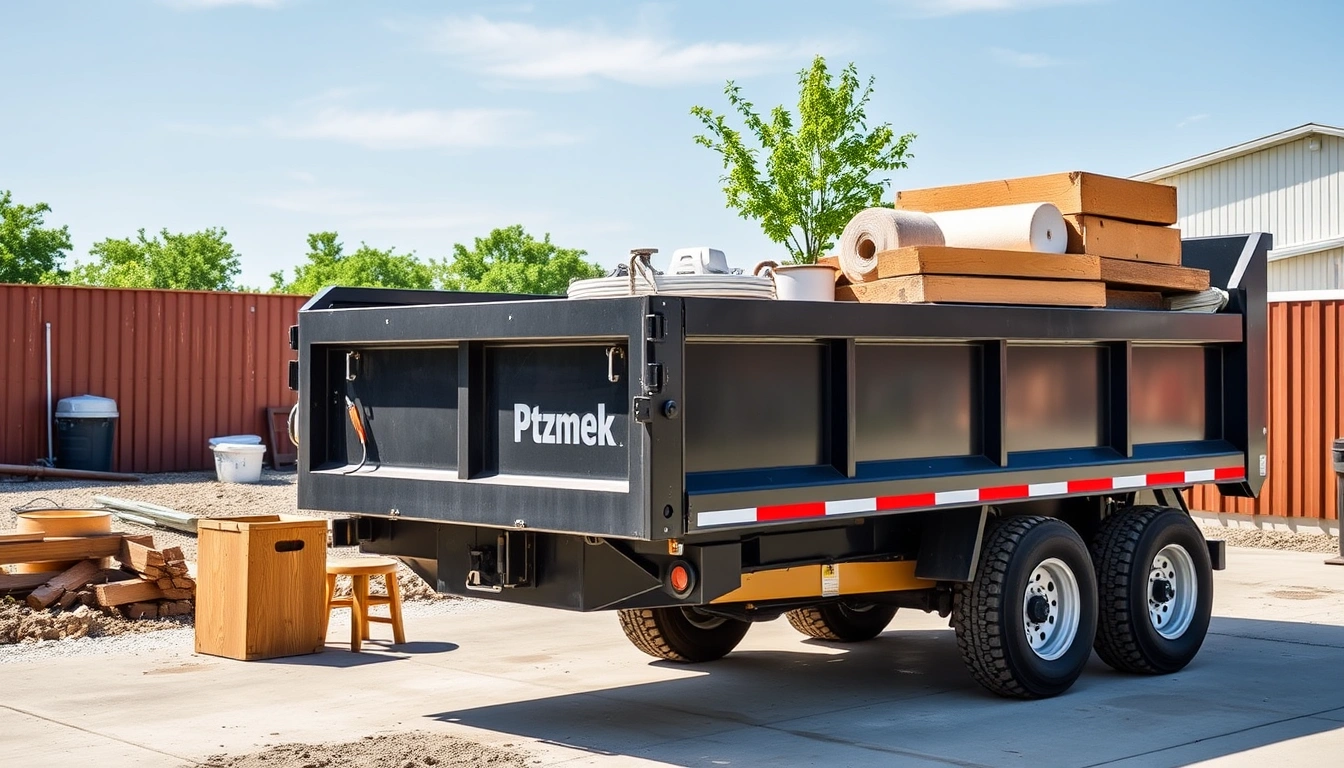
When a 10 yard dumpster is enough
A 10 yard dumpster is enough for many bathroom remodels in Rome, GA, especially when the job is one bathroom and the debris is mostly one-room material. If you are removing a vanity, toilet, sink, light drywall, and some flooring, a 10 yard dumpster is usually the cleanest fit.
The key is not to overbuild the estimate. A lot of people assume they need a bigger dumpster because the room looks messy during demo. But mess is not mass. A single-room bathroom remodel often fills a container visually long before it fills by weight.
Use this workflow when you are deciding on a 10 yard dumpster:
- Measure the bathroom and note what is coming out.
- Separate light debris, like drywall and trim, from heavy debris like tile and mortar.
- Check whether the tub is fiberglass, acrylic, or cast iron.
- Estimate whether one vanity removal includes a top, sink, and heavy base cabinet.
- Call the rental company with those exact items, not just “a bathroom remodel.”
The last step matters more than people think. The phrase “bathroom remodel dumpster rental” tells the rental company what kind of project you have, but the material list tells them what it will actually weigh. If you need a broader residential cleanup model for other jobs, cleanout dumpster rental Rome GA is the better mental category.
Quick check: If your bathroom demo is one room, one tub, and one vanity, a 10 yard dumpster is usually the first call, not the backup plan.
Do you need a bigger dumpster if you’re tearing out a heavy cast iron tub?
Not always, but you do need to plan differently if you are tearing out a heavy cast iron tub. In many cases, the answer is still a 10 yard dumpster, but only if the rest of the load is light and the weight limit is reasonable.
The reason is simple: a cast iron tub may eat a huge share of the allowed weight without taking much space. That leaves little room for tile, mortar, or vanity removal debris. If you also have a tile shower and floor demo, the risk of an overweight charge goes up fast.
Here is the better decision path for bathtub disposal:
- Confirm the tub material before demo day.
- If it is cast iron, assume 300 to 500 pounds unless you verify otherwise.
- Count the rest of the heavy waste: tile, thinset, mortar, backer board.
- Ask the rental company what the included weight limit is for the 10 yard dumpster.
- Decide whether you need a larger container or a cleaner split between loads.
If the tub is cast iron and the rest of the bathroom is also tile-heavy, a bigger dumpster can be cheaper than paying overweight fees. If the tub is cast iron but everything else is light, the 10 yard dumpster still makes sense. For a different comparison that often comes up on the same job site, the junk removal vs dumpster rental Rome GA decision usually favors a dumpster when the tub has to be staged during demo.
One cast iron tub can consume a large share of a small dumpster’s weight allowance before the bin looks even 20 percent full.
Quick check: If the tub is cast iron and you still have tile to remove, ask about weight limits before you book anything.
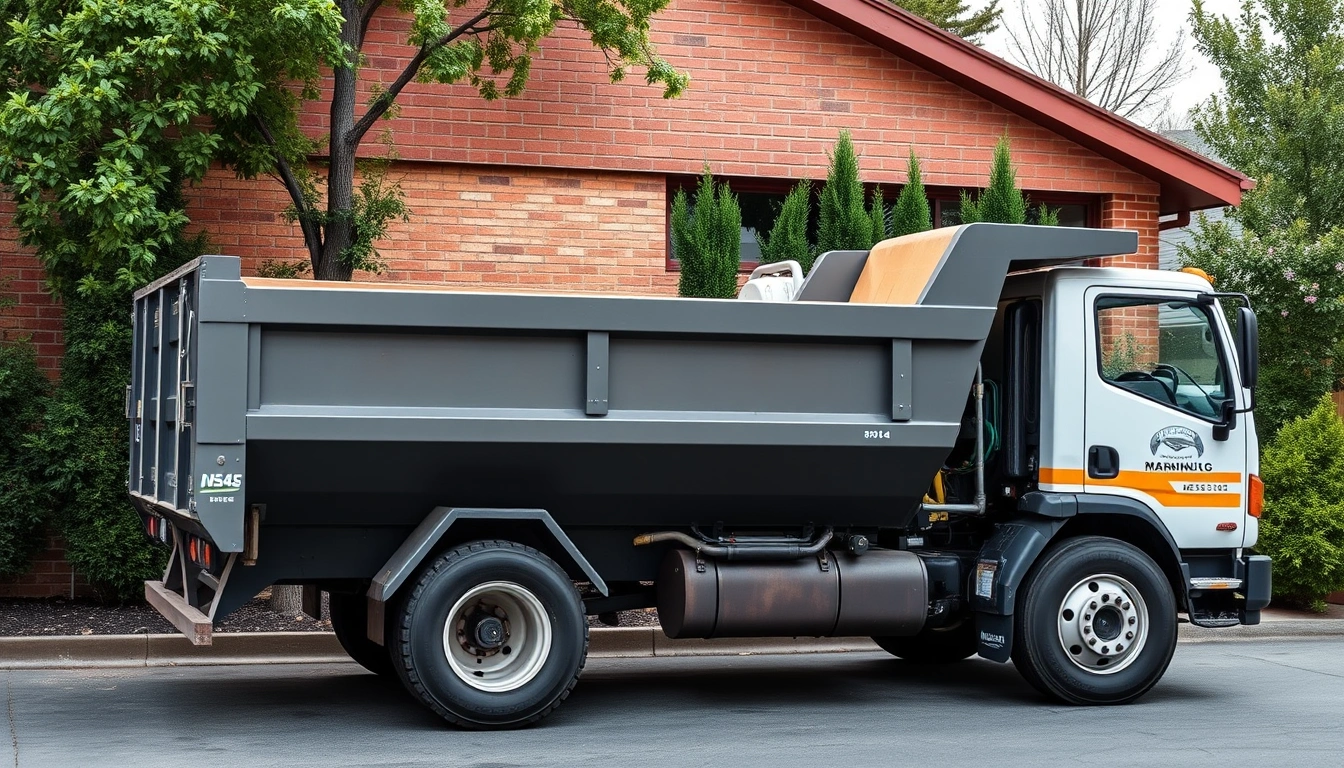
The workflow that keeps the bill under control
The smartest bathroom remodel dumpster rental workflow is to price the weight risk before demo starts. If you do that, you can usually avoid the annoying middle-ground outcome where the dumpster is technically the right size but still costs more than expected.
Start with the heaviest item, not the easiest one. A vanity, a toilet, and a few boxes of drywall sound harmless. Add tile debris, shower board, and a cast iron tub, and the job changes completely.
Use this step-by-step order on a bathroom remodel:
- Identify the heaviest fixture first, usually the tub or shower base.
- Check whether the flooring is tile over cement board or tile over a mortar bed.
- Estimate how many square feet of tile are coming out.
- Decide whether the vanity is a hollow cabinet or a solid built-in unit.
- Ask for the weight allowance in writing before delivery.
- Schedule pickup only after the heavy pieces are loaded first.
Loading order matters because dumpsters are charged by total weight, not by neatness. Put the heaviest pieces in first, break the rest down smaller, and do not bury the tub under light trash. If you are also cleaning a garage before or after the remodel, compare that load to a garage cleanout dumpster size Rome because garage debris behaves very differently.
Quick check: If you have not weighed the tub, tile, and vanity separately, you are still guessing at the cost.
What the cost range really means in 2026
In 2026, a small residential dumpster for a bathroom remodel commonly falls in the $300 to $700 range, but the final invoice depends on weight, haul distance, and how long you keep it. That is a real range, not a promise.
For Rome, GA, the number that matters most is usually the included weight limit. A cheaper base rate can become expensive if a tile-heavy load pushes the container over the allowance. The same applies when a bathtub disposal job includes a cast iron tub and mortar-bed flooring.
Two details change pricing more than most people expect. First, a short rental window can be enough for a bathroom demo if the contractor is ready. Second, an extra ton of weight can cost more than a larger container would have cost up front. That is why a 10 yard dumpster is often the best value for a bathroom remodel, even if it is not the biggest option available.
| Situation | Best Path | Why Other Options Fail |
|---|---|---|
| Light bathroom demo with vanity removal only | 10 yard dumpster | Bigger bins cost more without adding much value |
| Tile-heavy shower and floor tear-out | 10 yard dumpster with strong weight allowance or larger container | Small bins can hit weight limits before they look full |
| Cast iron tub plus tile and mortar | Ask for the weight limit first, then compare sizes | Volume alone hides the real cost risk |
| Demo spread over several days | Dumpster rental with flexible pickup timing | Junk pickup is usually too rigid for staged demolition |
For a typical bathroom remodel, the cheapest quote is not always the cheapest outcome; the weight allowance is usually the real price driver.
If you want a simple outside reference point, the EPA’s construction and demolition waste guidance is a good reminder that heavy mineral debris behaves differently from household trash. Roll-off rules exist for a reason, and local haulers price accordingly. For a higher-level project comparison, kitchen remodel dumpster loads usually need more volume, but bathroom loads often need more weight protection.
Quick check: If your quote looks low but the weight allowance is tiny, the final bill may not stay low.
When the standard advice is wrong
The standard advice fails when the bathroom has unusually dense debris, a staged demo schedule, or a surprise fixture. If any of those are true, do not book by room size alone.
Here are the edge cases that change the answer:
- Situation: Cast iron tub replacement. What changes: Weight spikes fast. What to do instead: Ask for the included tonnage before choosing a 10 yard dumpster.
- Situation: Mortar-bed tile floor. What changes: The floor debris is far heavier than standard tile. What to do instead: Treat it like a heavy-material load, not a small-room cleanout.
- Situation: Partial remodel with one vanity removal only. What changes: Volume is tiny. What to do instead: Compare dumpster rental with haul-away service if the load is only a few pieces.
- Situation: Multi-bathroom project. What changes: The load becomes a real renovation stream, not a single-room job. What to do instead: Step up from the smallest size and schedule pickup around demolition phases.
- Situation: Old plaster, lath, and tile together. What changes: Weight and mess both increase. What to do instead: Separate debris types if local rules allow it, or ask for a heavier-duty dumpster option.
One lesson I learned the hard way: a “small bathroom” can still generate a big bill if the shower walls are tile and the tub is cast iron. The room size was not the issue. The material mix was. That is why bathroom remodel dumpster rental decisions should start with the demolition list, not the floor plan.
Quick check: If your bathroom has mortar, cast iron, or multiple rooms, do not trust a generic small-load rule.
Common mistakes that cause overweight charges
Overweight charges usually come from underestimating tile, forgetting the tub material, or loading the dumpster in the wrong order. Those mistakes are common because bathroom debris looks light until it is stacked.
The biggest mistake is treating tile like drywall. It is not close. A tile weight estimate is often around 3 to 5 pounds per square foot for ceramic tile alone, and a mortar-bed system can weigh much more. That is why a tile debris dumpster can surprise even careful homeowners.
These are the mistakes I would avoid first:
- Guessing the load by room size instead of material.
- Assuming every tub is fiberglass.
- Mixing wet debris with dry debris.
- Waiting until the end to load the heaviest pieces.
- Choosing the cheapest quote without checking the weight allowance.
If your contractor is doing the work, ask them how they handled the last bathroom remodel dumpster rental they booked in 2026. Good crews usually know the difference between a light bath tear-out and a heavy one. The local context matters, too. Some jobs are better handled as junk removal, but for full demo, junk removal dumpster setups usually make more sense.
Quick check: If you have not asked what the tile weighs or what the tub is made of, you are one surprise away from an overweight fee.
The bottom line
For most Rome, GA bathroom remodels, the right move is to start with a 10 yard dumpster, then adjust for tile weight, bathtub disposal, and any cast iron tub. That is the balance that keeps the job moving without paying for unnecessary space. If your project is heavy on tile or mortar, protect yourself with a bigger weight allowance before you chase a lower base price.
Pick one thing from this article and try it this week, not all of it. The best next step is to list every heavy item in your bathroom demo and ask for a quote that includes the weight limit in writing. If you want the bigger project picture, connect it to the main hub: Project-Based Dumpster Rental in Rome, GA — Cleanouts, Renovations & Estate Jobs.
- A 10 yard dumpster is usually the best starting point for a standard bathroom remodel.
- Tile, mortar, and a cast iron tub matter more than the room’s square footage.
- Weight limits, not just dumpster size, drive most surprise charges in 2026.
- List the heaviest items first before you book a bathroom remodel dumpster rental.
Common Questions About bathroom remodel dumpster rental
What size dumpster fits a bathroom remodel in Rome GA?
A 10 yard dumpster fits most bathroom remodels in Rome, GA, especially one-room jobs with a vanity, toilet, and moderate tile tear-out. If the bathroom includes a cast iron tub or mortar-bed tile, ask about weight limits before you book.
How do I dispose of a heavy cast iron tub?
A heavy cast iron tub usually goes in a dumpster only if the rental company allows the weight. Most cast iron tubs weigh about 300 to 500 pounds, so the key is checking the included tonnage and loading the rest of the bathroom debris carefully.
10 yard dumpster vs Bagster for a bathroom — which is better?
A 10 yard dumpster is usually better for a full bathroom remodel because it handles heavier debris and faster removal. A Bagster can work for very light cleanup, but it is a poor fit for tile-heavy demolition or bathtub disposal.
Why did my small bathroom dumpster get an overweight charge?
Small bathroom dumpsters get overweight charges when tile, mortar, or a cast iron tub pushes the load past the included weight limit. Tile can weigh about 3 to 5 pounds per square foot, so the bin may look half empty and still be too heavy.
How much does a bathroom remodel dumpster cost in Rome GA?
In 2026, a bathroom remodel dumpster rental in Rome, GA commonly costs about $300 to $700 for a small residential container. Final price depends on weight allowance, rental length, and whether the load includes tile, mortar, or a cast iron tub.
See also: cleanout dumpster rental Rome GA
See also: kitchen remodel dumpster size
See also: junk removal vs dumpster rental Rome GA
Related: house flip dumpster rental Rome GA
Related: basement junk removal
Related: fence removal dumpster