house flip dumpster rental Rome GA: budget, timing, and size
⏱️ 8 min read · Last updated: 2026
- Most house flip projects use 1–2 dumpsters, but a full gut renovation with subfloor, plaster, or roof tear-off can need 2–3 hauls.
- A typical per-flip dumpster budget in Rome GA is about $500–$1,200, with larger demolition jobs often landing above that range.
- A 30 yard dumpster is the most common starting size for a house flip because it handles bulky debris without forcing immediate overflow.
- Typical gut renovation debris tonnage often lands around 3–6 tons for a modest flip and can exceed 8 tons when walls, flooring, and fixtures come out together.
- One overloaded container can create a second trip fee or landfill overage, so weight planning matters as much as box size.
The fastest way to blow a flip budget is not labor. It is debris that keeps coming after the first dumpster is already full. I have watched a clean-looking kitchen demo turn into two extra hauls because cabinets, tile, and wet drywall were all loaded in the same week.
That is why house flip dumpster rental Rome GA works best when you plan by phase, not by hope. In 2026, the expensive mistake is renting “just one big box” and assuming the site will stay neat until final punch-list day.
For a real estate investor, the smarter move is to size the dumpster around demo speed and landfill weight, then schedule the next haul before the pile blocks trades. The difference between a tidy flip and a stalled one is often 24 hours.
What really changes the answer
If you are doing a light cosmetic flip, one dumpster usually covers the job. If you are doing a gut renovation, the answer usually becomes two dumpsters, sometimes three, because drywall, cabinets, flooring, trim, and fixtures fill space faster than people expect.
The main variables are not mysterious. They are square footage, material density, and whether the house has one demo wave or several. A 1,200-square-foot rental with cabinets and carpet removal is a different animal from a 2,000-square-foot house flip with plaster, old tile, and a kitchen down to the studs.
A single 30 yard dumpster is the best starting point for most house flip dumpster rental Rome GA projects, but full gut jobs commonly need a second haul before finishes go back in.
If you want a useful estimate, think in terms of tonnage, not just container size. A modest gut renovation can produce 3–6 tons of debris; once plaster, wet drywall, masonry, or roofing enters the pile, the weight can climb quickly even when the container does not look full.
For a real estate investor, the right workflow is to separate “bulky but light” from “small and heavy.” Drywall and cabinets behave very differently from tile, mortar, and shingles. That is why the same flip can underfill a box by volume and still hit the weight cap.
Quotable line: Most gut renovation dumpster problems in Rome GA are caused by weight, not volume.
External rule-of-thumb references back that up: EPA construction and demolition waste guidance and OSHA debris-handling rules both treat material handling as a planning issue, not an afterthought. See the EPA’s construction and demolition debris overview and OSHA’s construction safety standards for the underlying framework.
Quick check: If your demo includes walls, floors, cabinets, and fixtures, you are probably in multi-haul territory.
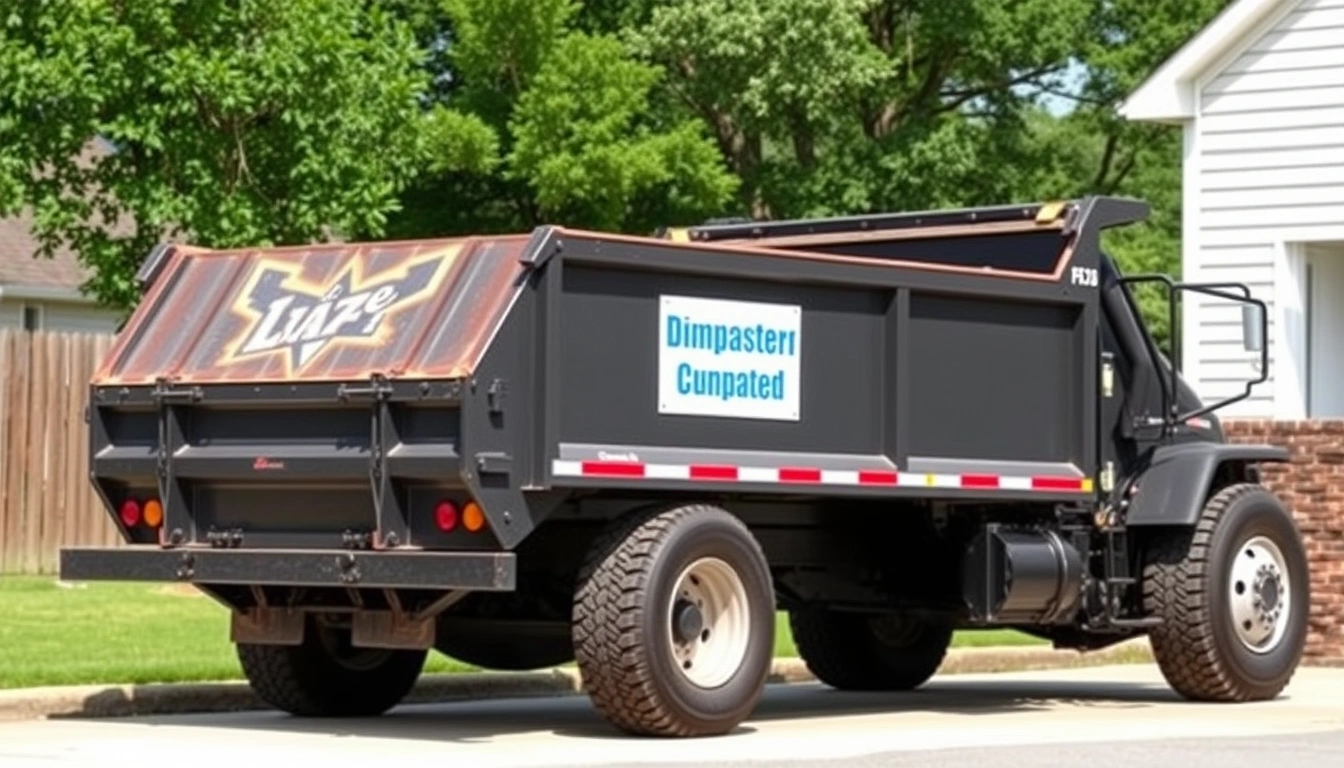
How many dumpsters do you actually need?
For most house flip dumpster rental Rome GA jobs, the answer is one dumpster for light cosmetic work, two dumpsters for a moderate gut renovation, and two to three dumpsters for a full gut renovation with heavy materials. If the house still has all finishes intact, start at two hauls rather than one.
The mistake I see most often is treating every flip like a single-drop job. That works only when demo is limited to one room, light cabinetry, and flooring. Once you open multiple rooms, debris volume jumps in a way that does not look dramatic until the first box is half gone.
| Situation | Best Path | Why Other Options Fail |
|---|---|---|
| Cosmetic flip: paint, fixtures, one floor covering | 1 dumpster, usually 20–30 yard | Ordering two hauls usually wastes money and yard space |
| Moderate gut renovation: kitchen, bath, flooring, trim | 1 × 30 yard dumpster plus a standby second haul | One box often fills before finish carpentry starts |
| Full gut renovation: walls, cabinets, floors, fixtures, porch or roof material | 2–3 dumpsters total | Trying to stretch one container creates overflow and delays |
| Heavy debris: plaster, tile, masonry, shingles | Split loads and watch tonnage closely | Volume looks manageable while weight can exceed limits fast |
If you need a local baseline for scheduling, Rome GA projects usually do better with a staged plan. Demo week gets one container. Rough-in week gets a second if trades are still tossing material. Finish week gets a clean box only if punch-list trash is real, not hypothetical.
- Measure the house by demo scope, not by square footage alone.
- List every surface coming out: cabinets, tubs, tile, carpet, drywall, trim, doors.
- Separate heavy debris from bulky debris before you rent.
- Choose a 30 yard dumpster if you expect mixed demo waste.
- Reserve the second haul before the first box is 75% full.
- Keep a 24-hour buffer so trades are never waiting on an empty container.
Quick check: If your demo list has more than six major items, one dumpster is probably not enough.
What budget makes sense for a flip?
The average flip debris budget in Rome GA is usually $500–$1,200 per house flip when the work is mostly standard demo and mixed household debris. If the project includes multiple heavy loads, a tight site, or extra tonnage charges, the number can move past that range quickly.
That is the real answer to “What’s the average dumpster budget per house flip in Floyd County?” The budget is not just rental price. It includes delivery, pickup, rental days, landfill weight, and any overage if the load is heavier than expected.
In 2026, a junk removal vs dumpster rental Rome GA decision often comes down to labor. Junk removal is faster for one-off items, but a flip generates enough volume that a dumpster is usually cheaper per cubic yard once demo starts producing consistent waste.
For budgeting, I like a simple method. Estimate one base rental, add a second haul if the job is a true gut renovation, then add a 15% buffer for overage or rental extension. That keeps the flip debris budget realistic without turning it into fantasy math.
A practical per-flip dumpster budget in 2026 is $500–$1,200 for standard flips, with full gut jobs often needing a larger reserve.
Here is the part investors sometimes miss: the cheap quote is not always the cheap job. If the first container is too small or too short on days, you can pay more in labor stoppage than you saved on the rental line.
Two external references help here. The EPA’s construction and demolition guidance explains why mixed debris is expensive to manage, and the Georgia Department of Natural Resources points contractors toward proper disposal planning. That is the real cost driver.
Quick check: If one missed haul would delay drywall or flooring, your budget is too tight.
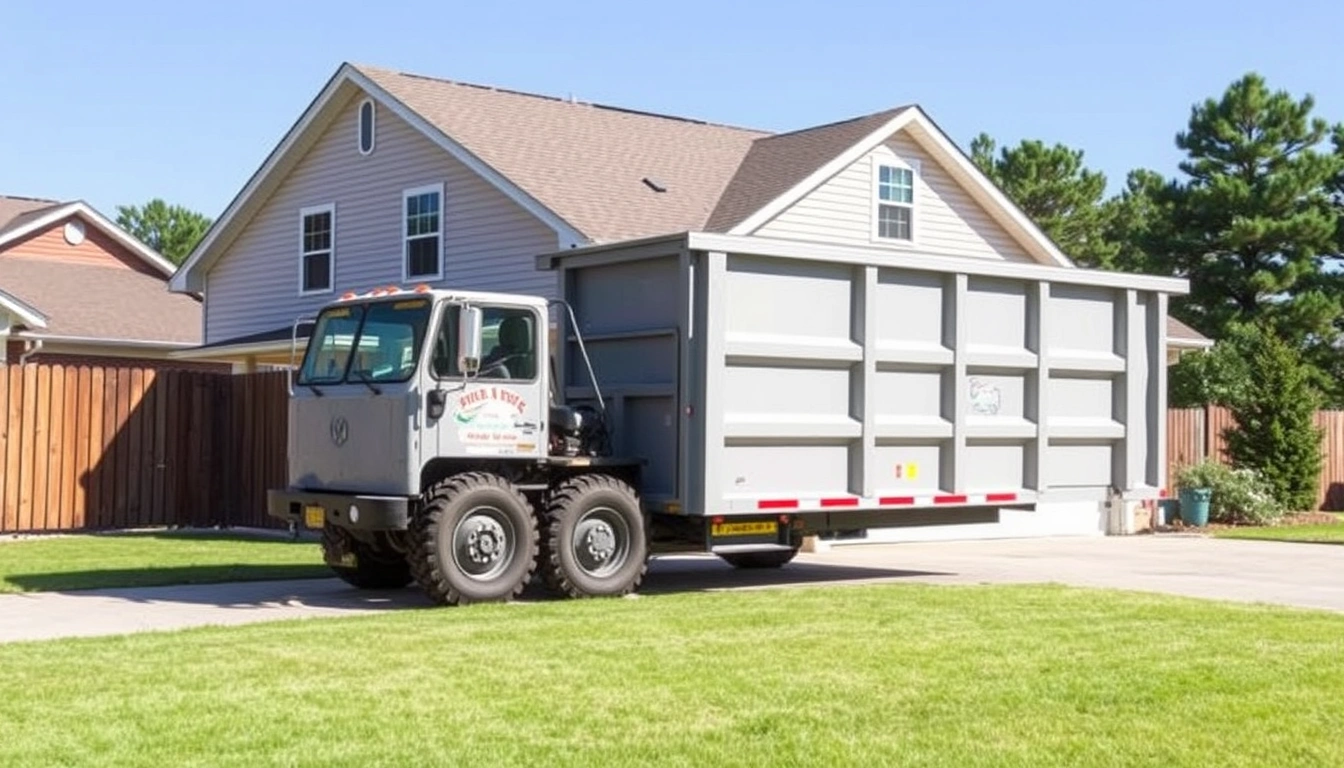
How to schedule multiple hauls without stalling the job
Schedule multiple hauls by matching the dumpster to the demo phase, not by waiting until the box is full. If your house flip has a clean-out day, a demo day, and a rough-in day, book each haul around those milestones.
That means the first container should arrive before tear-out starts, the second should be penciled in before the first one reaches 75% capacity, and the pickup should happen before finish trades crowd the driveway. A stalled dumpster is not a minor annoyance; it can stop framing, drywall, and cabinet install.
If you are running an investor dumpster rental plan, build a simple sequence. It keeps everyone honest and avoids the “we thought it would fit” conversation at 4:30 p.m. on a Friday.
- Book the first dumpster 1–2 days before demo starts.
- Tell the rental company whether you expect light, mixed, or heavy debris.
- Ask for the weight limit in writing before delivery.
- Stage a second haul if the project includes kitchens, baths, and flooring.
- Take a photo when the first box hits 70–75% full.
- Call for swap-out before the pile rises above the side walls.
- Keep one clean staging area for doors, trim, and fixtures that may be reused.
For some projects, a cleanout dumpster rental Rome GA job is the right first step before demo. That is especially true if the property is full of abandoned furniture, trash, or personal property that has to come out before the contractors can work.
cleanout dumpster rental Rome GA is useful when the house is still cluttered enough that demo debris would get mixed with junk on day one.
Quick check: If your crew is waiting for space before the work can continue, you need a staged haul plan.
30 yard dumpster vs smaller boxes
A 30 yard dumpster is usually the best default for a house flip because it gives you room for bulky demo without forcing a second rental too soon. Smaller boxes can work for cosmetic flips, but they become tight fast once cabinets, flooring, and drywall all come out together.
Here is the trade-off. A smaller dumpster can be cheaper on paper, but it can cost more if it fills before the messy part of the flip is finished. That is why I prefer a 30 yard dumpster for most investor dumpster rental plans in Rome GA.
There is one exception. If the project is a narrow cleanout or a garage-only job, the bigger box may be unnecessary. For that kind of work, a garage cleanout dumpster often fits better than an oversized container.
If you are comparing options, use this simple filter: choose the smaller box only when the debris is light, dry, and limited to a single area. Choose the 30 yard dumpster when the job is mixed, messy, or likely to expand after inspection walls open up.
Quotable line: A 30 yard dumpster is the safest default for most full-house flips in Rome GA.
That said, a 30 yard dumpster is not magic. It still has a weight ceiling, and heavy tile or plaster can hit that ceiling long before the box looks full. This is the part people underestimate.
Quick check: If the house has multiple rooms of finish removal, the 30 yard dumpster is usually the safer choice.
Edge cases that break the normal advice
The normal advice breaks when the house has unusual debris, bad access, or a timeline that changes mid-job. In those cases, the right answer is usually not “more of the same”; it is a different disposal plan.
1. The house has plaster, not drywall
If the walls are plaster, debris gets heavy fast. The answer changes because weight, not volume, becomes the problem. Use smaller staged loads or a tighter tonnage plan instead of assuming one large container will be enough.
2. The driveway is tight or shared
If the dumpster placement is awkward, the job slows down. What to do instead: place the box where trades can reach it without carrying debris through finished areas. If that is impossible, plan for more frequent swap-outs.
3. The flip includes roofing or masonry
If shingles, brick, mortar, or tile are part of the demo, the budget changes immediately. What to do instead: separate the heavy materials from the drywall and cabinetry, because mixed loads are what cause overage surprises.
4. The property still has estate contents inside
If the house is half cleanout and half demo, use a staged system. What to do instead: book an initial estate cleanout dumpster Rome GA pickup first, then order the house flip container after the junk is gone. Mixing the two usually wastes space.
5. The project gets delayed
If permits, trades, or weather push the schedule back, rental days matter more than box size. What to do instead: ask for one extension day before the dumpster arrives. That costs less than scrambling for an emergency swap later.
estate cleanout dumpster planning is especially useful when the flip starts with a property full of leftovers, not demo debris.
cleanout dumpster rental becomes the better first move when the house is still packed with unwanted furniture, trash bags, and broken household items.
Quotable line: The right dumpster plan changes the moment heavy materials or estate contents enter the job.
One honest lesson from real-world scheduling: I have seen more budget damage from a delayed pickup than from the rental itself. A box sitting three extra days can trigger domino effects across flooring, trim, and paint.
Quick check: If your project has plaster, roofing, estate contents, or delay risk, use a staged plan instead of a single-drop assumption.
Common Questions About house flip dumpster rental Rome GA
How many dumpsters does a house flip need in Rome GA?
Most house flips in Rome GA need 1–2 dumpsters. A light cosmetic flip may only need one 30 yard dumpster, while a full gut renovation often needs two or three hauls because cabinets, drywall, flooring, and fixtures add up faster than expected.
How do I schedule multiple dumpster hauls for a gut job?
Book the first dumpster before demo starts, then line up the second haul when the first reaches about 70–75% full. For a gut renovation, that usually means reserving a 30 yard dumpster first and keeping a swap plan ready so framing and drywall do not stop.
30 yard dumpster vs multiple 20 yard for a flip — which is cheaper?
A 30 yard dumpster is often cheaper for a true flip because it reduces swap-outs and keeps bulky debris from spilling over. Multiple 20 yard dumpsters can make sense only if access is tight or the debris is separated into phases.
Why do flips always run over on dumpster budget?
Flips run over because the scope grows after the first wall opens. Extra drywall, wet flooring, tile, and hidden junk increase tonnage fast, and many investors forget to budget for rental extensions or second hauls.
How much should I budget for dumpsters per flip in Rome GA?
A realistic flip debris budget in Rome GA is usually $500–$1,200 per house flip. If the job includes a full gut renovation, heavy materials, or multiple hauls, budget higher so you are not forced to delay demo or finish work.
What debris types make a house flip dumpster more expensive?
Drywall, tile, plaster, shingles, masonry, and wet material are the usual cost drivers. They add weight quickly, which can push a house flip dumpster rental into overage territory even when the container still looks half empty.
- Most house flip dumpster rental Rome GA jobs start best with one 30 yard dumpster.
- A realistic per-flip dumpster budget in 2026 is usually $500–$1,200.
- Full gut renovation debris commonly needs 2–3 hauls, not one.
- Weight matters more than volume when you load tile, plaster, or roofing.
The Bottom Line
For a house flip dumpster rental Rome GA plan, start with the work phase, not the cheapest box on the screen. If the project is a true gut renovation, book a 30 yard dumpster first and budget for at least one additional haul. That is the cleanest way to protect the schedule and keep trades moving.
Pick one thing from this article and try it this week — not all of it, just one. If you are mapping a flip now, sketch the debris phases before demo starts and compare them to the parent resource, Project-Based Dumpster Rental in Rome, GA — Cleanouts, Renovations & Estate Jobs.
See also: cleanout dumpster rental Rome GA
See also: junk removal vs dumpster rental Rome GA
See also: estate cleanout dumpster Rome GA
Related: basement cleanout dumpster
Related: moving cleanout dumpster Rome GA
Related: fence removal dumpster