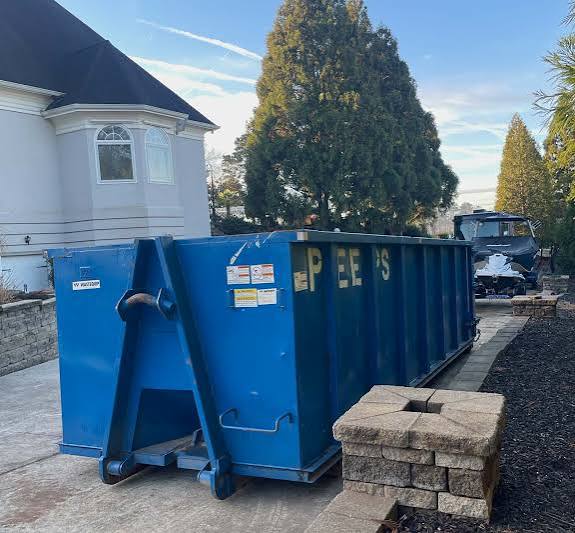
property manager dumpster rental Rome GA for fast turnovers
⏱️ 8 min read · Last updated: 2026
In Rome GA, a late dumpster can turn a nearly finished turnover into a three-day headache. Property manager dumpster rental Rome GA is the quickest way to keep tenant move-outs, eviction cleanouts, and small-unit clearouts on track. A 20 yard dumpster is usually the best place to start because it takes bulky junk, fits most driveways, and helps you get out before paint, cleaning, and inspection windows slam shut.
- A 20 yard dumpster is commonly the best turnover dumpster size for 1- to 3-bedroom rental cleanouts because it fits bulky debris without taking over the driveway.
- Same-day availability is often possible on weekday mornings in Rome GA when you call before the route is full, but it is not guaranteed during peak renovation weeks.
- Recurring account terms are usually set up as a multi-drop service agreement with priority scheduling, simple billing, and the ability to reserve repeat deliveries before each tenant turnover.
- Most driveway-safe dumpsters used for rental cleanouts sit in the 10 to 20 yard range; larger containers can block access and slow painters, cleaners, and inspectors.
- For mixed debris, landfill limits and local disposal rules matter more than volume alone, so heavy materials like shingles or concrete should be separated from standard trash.
A tenant turnover can slip from “almost ready” to “three extra days” because one unit still has a couch, two busted dressers, and a closet packed with bagged junk. That is where property manager dumpster rental Rome GA stops feeling optional and starts acting like a deadline saver.
From there, the next question is not whether to use a dumpster, but how to size it so the job stays on schedule. In Rome GA, the properties that move fastest are usually the ones with a set dumpster size and a pickup plan already tied to the turnover calendar.
What actually determines the right answer here
Three things decide it: how much bulky debris is sitting there, how fast the unit has to turn, and whether the dumpster can be staged without blocking access. Miss any one of those, and the cleanup drags. Hard.
To keep that from happening, start with the debris itself. If the unit is mostly trash bags and closet debris, a smaller container may be enough. But once there is furniture, a mattress set, or cabinets from a kitchen refresh, the answer usually shifts to a 20 yard dumpster. That size is the practical middle ground for property managers who need one container to handle a typical turnover without paying for dead air.
For context, EPA household waste guidance and landfill weight limits point to the same plain truth: bulky mixed debris eats room faster than people think. You run out of space before the pile looks “that big.”
The mistake I see most often is choosing a dumpster by square footage instead of by debris type; a 900-square-foot unit with two bedrooms of furniture usually needs more space than a cleaner 1,400-square-foot apartment.
Also, think about who is loading it. A crew can flatten boxes, stack light furniture, and build the load neatly. One maintenance tech usually cannot, and that changes the math fast. So before ordering anything, walk the unit and count the large items first.
- Walk the unit before ordering anything.
- Count large items first: couch, mattress sets, dressers, shelving, and appliances.
- Check whether the turnover is trash-only or mixed debris.
- Choose a 20 yard dumpster if the load includes bulky furniture or multiple rooms of removal.
- Reserve pickup timing before the paint, cleaning, or inspection window closes.
Quick check: If you can point to three or more large items from the doorway, treat it like a 20 yard dumpster job.
What’s the best dumpster setup for fast rental turnovers in Rome GA?
Usually, the best setup is one 20 yard dumpster dropped before cleaning starts and hauled away as soon as the unit is clear. That keeps the crew moving and keeps the trash pile from camping in the yard for days.
If you manage several units in the same complex, a recurring dumpster account often beats booking each turnover one by one. You get steadier scheduling, less back-and-forth, and fewer surprises when a tenant leaves on Friday and the new move-in is set for Monday.
As a result, planning inside the office matters almost as much as the box itself. A dumpster that shows up a day late can push painting, carpet work, or final cleaning by a full business day. I have watched a $350 cleanout become a $700 scheduling mess because the order went in after noon and the route was already packed.
If you are comparing options, the real difference is not just haul price. It is how fast the unit turns, whether the dumpster fits the driveway, and whether the rental office keeps the next move-in date intact. Need a deeper look at what belongs in a full-unit cleanout? The cleanout dumpster rental Rome GA page matches this workflow well.
| Situation | Best Path | Why Other Options Fail |
|---|---|---|
| One-bedroom turnover with bags and small furniture | 20 yard dumpster | Smaller bins fill too fast; larger bins waste driveway space |
| Two- to three-bedroom unit with couch, mattresses, and broken shelving | 20 yard dumpster plus early pickup request | Single-load trash service usually misses bulky pieces |
| Multi-unit property with repeat move-outs | Recurring dumpster account | One-off booking creates delays and inconsistent pricing |
| Minimal debris with only a few bags | Smaller cleanup plan or junk hauling | A full dumpster is often overkill |
Quick check: If your turnover calendar leaves less than 48 hours between move-out and paint start, the container needs to be scheduled before the keys come back.
How do I handle an eviction cleanout dumpster quickly in Floyd County?
Handle an eviction cleanout dumpster quickly in Floyd County by documenting the debris, separating hazards, and booking the container before sorting starts. Treat it like a deadline job, not a casual junk run.
If the unit is in Floyd County and the tenant left furniture, clothes, trash, or food waste, separate hazards from general debris first. Needles, chemicals, and anything sharp should be handled separately. Keep the dumpster for ordinary cleanout debris, not unknown liquids or restricted materials.
Speed matters because eviction cleanouts tend to expose hidden problems: packed closets, attic overflow, and sometimes a garage full of forgotten items. In my experience, the first pass through the unit finds only about 70% of the load. The remainder usually shows up once cabinets, bedrooms, and utility spaces are opened. That is exactly why a little extra capacity helps.
A cleanout sequence that actually works
- Photograph every room before touching anything.
- Remove obvious hazards and sort them according to local rules.
- Pull furniture first so the crew can see hidden debris.
- Load trash bags next, then flattened cardboard, then loose mixed debris.
- Schedule pickup only after the main load is out, not before.
If you are trying to choose between hauling and renting, the junk removal vs dumpster rental Rome GA comparison helps when time is tight and labor is limited. For a straight eviction cleanout with multiple loads, the dumpster usually wins because it stays on site while the crew works.
One simple rule: if two people can fill a pickup bed in under 20 minutes, the cleanup probably calls for a dumpster instead of endless dump runs.
Quick check: If the unit needs more than one truckload or includes furniture left by the former tenant, plan on a dumpster, not bag-by-bag hauling.

The choice between one dumpster and a recurring account
A single rental works for one-off turnovers. A recurring dumpster account makes more sense when you manage repeated tenant turnover jobs, small renovations, or frequent eviction cleanouts. The recurring setup saves repeat phone calls and lowers the odds of losing a delivery window.
If you only manage one property a few times a year, one-off scheduling is fine. But if you handle several doors, the recurring account is the better operational choice because it builds a steady rhythm: order, drop, fill, swap, remove. That rhythm matters more than most property managers expect.
Most recurring account terms are simple: you agree to repeat service, set billing terms, and reserve delivery timing in advance. In practice, that usually means priority scheduling and faster reorders rather than a completely different product. It is less about a special dumpster and more about getting first in line.
A recurring dumpster account is most useful when the next turnover is already on the calendar and you need the container to arrive before the cleaning crew does.
If your property mix includes flips, downsized units, and inherited cleanouts, the same vendor can usually handle more than one job type. A house flip dumpster rental Rome GA setup often overlaps with turnover work because both need bulky debris capacity and steady scheduling. The same goes for a moving cleanout dumpster when tenants leave behind extras that do not fit in normal curbside service.
My own lesson was pretty blunt: I once tried to treat every turnover as a separate event, and the admin time ate more hours than the hauling. The recurring system cut the mental load, which is often the real bottleneck.
Quick check: If you have more than two likely dumpster jobs on the calendar each quarter, ask for recurring account terms instead of booking each one from scratch.
When the standard advice breaks down
The standard advice breaks down when debris is unusually heavy, the driveway is tight, the unit is occupied during part of the cleanout, or the property has mixed job types. In those cases, the cheapest plan is often the wrong one.
- Situation: The driveway is narrow and shared. What changes: Container placement matters more than capacity. What to do instead: Ask for exact footprint dimensions before booking.
- Situation: The cleanout includes old tile, roofing, or concrete from repairs. What changes: Weight limits become the issue. What to do instead: Keep heavy debris separate from the main turnover dumpster.
- Situation: The unit is only partially emptied by the tenant. What changes: Sorting time increases and labor does too. What to do instead: Budget an extra half-day before delivery.
- Situation: The property is a duplex or triplex with shared access. What changes: Blocking one tenant blocks everyone. What to do instead: Schedule drop-off during low-traffic hours and use a 20 yard dumpster if space allows.
- Situation: You need the cleanout done before a new lease start. What changes: Timing beats price. What to do instead: Reserve same-day or next-day service as early as possible.
This is also where some managers pick the wrong size because they want to “play it safe” by going smaller. That backfires more often than ordering slightly larger, because extra room protects the schedule while a shortage forces a second haul.
Municipal EPA hazardous-waste guidance and local disposal rules are useful reference points here, because those are the items that quietly derail a cleanout. Keep unknown liquids, chemicals, and sharp debris out of the main load, and the rest goes smoother.
Quick check: If the job has shared access, heavy debris, or a hard move-in deadline, do not use a standard one-size-fits-all plan.
How long does the whole process actually take?
Most standard rental turnovers move fastest when the dumpster is delivered the same day or the next morning, and the unit is loaded within one workday. The real bottleneck is usually not the dumpster; it is whether the property manager has already sorted debris before delivery.
If the crew is organized, a 20 yard dumpster can be filled in a few hours for a small apartment cleanout or across a full day for a larger unit. If nobody sorts as they go, the same job can stretch into two days because people keep stopping to decide what stays and what goes.
To keep the schedule tight, use a simple workflow: order early, stage the unit, load bulky items first, finish bagged debris second, then schedule pickup before final cleaning. That order matters because it keeps the same trash from being handled twice.
- Confirm move-out time and access.
- Pick the dumpster size based on furniture, not just bag count.
- Place the order early enough to catch same-day availability if needed.
- Load large items first to keep floor space open.
- Schedule removal after the last haul, not before.
Quick check: If your team can start loading within 24 hours of delivery, you are set up for the smoothest version of the job.
- A 20 yard dumpster is the best first guess for most rental turnover cleanouts in Rome GA.
- Recurring dumpster account terms help most when you manage repeated tenant turnover jobs.
- Same-day availability is most realistic when you call early on a weekday, not after lunch.
- Heavy debris, shared access, and hard move-in deadlines are the three things that change the plan fastest.
Common questions about property manager dumpster rental Rome GA
What dumpster size works for a rental turnover in Rome GA?
A 20 yard dumpster is the most practical starting size for a rental turnover in Rome GA. It usually handles a couch, mattress set, bags, and mixed household debris from a 1- to 3-bedroom unit without taking over the driveway.
How do I set up recurring dumpster service for my properties?
Ask for a recurring dumpster account with priority delivery, repeat billing terms, and advance reservation windows. That setup is best for property managers who handle monthly tenant turnover, move-outs, or repeated cleanouts and want fewer scheduling delays.
One dumpster per unit vs shared dumpster — which is better?
One dumpster per unit is better when cleanouts overlap and timing is tight. A shared dumpster works only when multiple units are being cleared on the same schedule and the access route can stay open for the whole job.
Why do turnover cleanouts run over on dumpster space?
Turnover cleanouts run over because bulky items take up more room than bagged trash. Mattresses, dressers, shelving, and broken furniture can fill a 20 yard dumpster faster than a room full of smaller debris, especially if nothing is flattened first.
How much does a turnover cleanout dumpster cost in Rome GA?
Pricing in Rome GA is commonly quoted as a flat rental plus disposal allowances, and the final price depends on size, weight, and delivery timing. For a 20 yard dumpster, expect the cost to rise if the load contains heavy debris, requires same-day placement, or needs an extended rental window.
Can I get same-day delivery for an eviction cleanout?
Sometimes, yes. Same-day availability is most likely on weekdays when you call early and the route still has room. If the cleanout is urgent, ask for the earliest delivery window and have the driveway clear before the truck arrives.
The Bottom Line
For property manager dumpster rental Rome GA, the smart move is speed, fit, and repeatability — not guesswork. A 20 yard dumpster handles most tenant turnover jobs, and a recurring account is worth asking about if you manage more than a handful of cleanouts each year.
Pick one thing from this article and try it this week — not all of it, just one: measure your next unit’s debris before you order. Then book the container before the cleaning crew is scheduled. That one change removes most turnover delays. For the broader planning picture, the Project-Based Dumpster Rental in Rome, GA — Cleanouts, Renovations & Estate Jobs pillar ties the whole workflow together.
See also: cleanout dumpster rental Rome GA
See also: house flip dumpster rental Rome GA
See also: junk removal vs dumpster rental Rome GA
Related: dumpster rental Rome GA cost
See also: dumpster rental Rome GA
See also: dumpster rental for property managers
See also: cleanout dumpster rental Rome GA