Basement cleanout dumpster: 10 yard or 15 yard?
⏱️ 8 min read · Last updated: 2026
- A 10 yard dumpster is commonly the best first pick for a small to medium basement cleanout when the debris is light and dry.
- Water-damaged drywall and carpet can become much heavier than they look; wet drywall is often estimated at roughly 50–75 lb per 4×8 sheet, and soaked carpet adds weight fast.
- Most basement cleanout dumpster rentals run about 7 to 10 days, which is enough for a focused weekend cleanout plus one weekday.
- If the basement load includes saturated carpet pad, mud, or drywall, a 15 yard dumpster is often the safer choice because weight fills up before volume does.
- Stair access matters as much as size: if every bag has to travel up steps, a smaller dumpster with a tighter loading plan is usually faster and safer.
A basement cleanout dumpster sounds simple until the pile turns wet, soggy, and awkward in the same hour. I have watched people underestimate a basement cleanout by one full size, then spend half the day breaking down cabinets on the driveway.
The hard part is not volume alone. In a Rome GA basement, water damage changes everything because saturated carpet, drywall, and underlayment get heavy fast, and stairs make every trip slower. I have seen a “small” cleanup become a two-person loading job before the first wall panel came out.
What actually determines the right answer here
The right basement cleanout dumpster is determined by weight, access, and what kind of debris is coming out first. If the basement is mostly boxes, furniture, and old decor, a 10 yard dumpster is usually enough. If the job includes wet materials, plaster, or carpet disposal, the answer flips fast.
Volume fools people. Wet drywall and carpet can fill a dumpster by weight long before they fill it by space, and that is the mistake that causes overage charges or a second rental. In 2026, I would think about the load in layers: light junk first, dense debris second, and water damage debris last.
| Situation | Best Path | Why Other Options Fail |
|---|---|---|
| Dry basement junk, old shelves, boxes | 10 yard dumpster | 15 yard can be more space than you need, which makes overfilling tempting. |
| Water damage, carpet disposal, drywall | 15 yard dumpster or split loads | 10 yard often hits weight limits too early. |
| Narrow stair access | 10 yard dumpster with staged loading | Larger dumpsters can encourage bigger, heavier throws and more lifting risk. |
| Mixed cleanout with furniture plus damp debris | Start with a 10 yard dumpster only if the wet material is small | Otherwise you are buying a second haul. |
One quote I keep coming back to is this: a basement cleanout dumpster should match the heaviest part of the job, not the biggest-looking part of the room. That is especially true in Rome GA where basement access can be tight and driveway space is not always generous.
Quotable line: For basement cleanout jobs with water damage, the limiting factor is usually weight, not volume.
A standard 10 yard dumpster is often the sweet spot for a basement cleanout with mostly dry debris, while a 15 yard dumpster becomes the safer call as soon as waterlogged materials enter the pile.
For background on how larger cleanout jobs behave, the patterns on home cleanout project statistics are useful because they show how quickly “just one room” turns into a mixed-load haul. If your basement is connected to an estate job, the same logic shows up in estate cleanout dumpster Rome GA work too.
Quick check: If your pile includes wet drywall, carpet pad, or mud, think weight first and size second.
What size dumpster do I need for a basement cleanout in Rome GA?
For most basement cleanout jobs in Rome GA, the short answer is a 10 yard dumpster for dry material and a 15 yard dumpster for mixed or damp material. If you are clearing out furniture, holiday bins, and old household clutter, the 10 yard dumpster usually does the job without wasting driveway space.
If the basement cleanout includes a couch, shelves, boxes, and a few broken items, the 10 yard dumpster is usually enough for a one- to two-day push. If you are removing drywall, soaked carpet, and insulation, I would move straight to a 15 yard dumpster because the load gets dense faster than most people expect.
Here is the workflow I use when the basement is not straightforward:
- Walk the basement and separate dry junk from wet debris before you lift a single bag.
- Measure the stair turn and door width so you know whether large furniture can actually move out intact.
- Estimate how much of the pile is carpet disposal, drywall, or insulation, since those materials change weight fast.
- Choose a 10 yard dumpster if the job is mostly dry and the basement is small to medium.
- Choose a 15 yard dumpster if any meaningful part of the load is water damage debris.
- Stage the heaviest items nearest the door so you do not carry them twice.
What size dumpster do I need for a basement cleanout in Rome GA?
A 10 yard dumpster is usually right for dry basement junk, while a 15 yard dumpster is the safer choice for mixed debris or anything damp. In Rome GA, stairs and driveway space often matter just as much as total volume, so the smaller size can be the smarter fit.
For a related room-by-room comparison, the planning logic in garage cleanout dumpster size Rome helps because garages and basements both punish bad size guesses. The difference is that basements usually add humidity, water exposure, and stairs.
Quotable line: If the basement pile includes waterlogged carpet or drywall, a 15 yard dumpster is often the better call than a 10 yard dumpster.
Quick check: If you can describe the basement in one word, “dry” points to a 10 yard dumpster and “wet” points to a 15 yard dumpster.
How water damage changes the size you need
Water damage changes the dumpster decision because soaked materials become far heavier than they look. If the basement was flooded, even a modest pile of drywall, carpet, and baseboard trim can fill a dumpster by weight before it fills by volume.
That is where a lot of basement junk removal plans go sideways. Dry sheetrock is manageable, but water-damaged debris often includes saturated carpet padding, mud, and swollen drywall that all carry extra water weight. In practical terms, one ruined room can behave like a much larger load than the eye suggests.
When I test a basement cleanout plan mentally, I use this order:
- Identify the wettest materials first, especially carpet, pad, and drywall.
- Separate anything muddy from clean salvage items.
- Check the stair path for slippery spots and tight turns.
- Pick the dumpster size based on the densest material, not the lightest.
- Reserve extra room if the load includes broken furniture or soaked cardboard.
For factual handling guidance, the EPA and local waste rules matter more than guesswork. The EPA mold cleanup guidance is clear that porous materials soaked in contamination often need removal, not drying in place, and that changes the amount of debris you will haul. That is also why a basement cleanout dumpster near a flooded wall often needs to be booked earlier than people expect.
A wet 4×8 sheet of drywall can weigh roughly 50 to 75 pounds, so a stack of ten sheets can turn into a load that behaves like household renovation debris, not light trash.
That number matters because a basement cleanout dumpster feels roomy until the first five wet sheets go in. After that, the remaining space disappears fast, and the driver still has to stay under the weight cap.
For flood cleanup specifics, cleanout dumpster rental Rome GA is the right planning page when the job is larger than one room and you need to coordinate around debris type, not just volume.
Quotable line: Water damage shifts the problem from “How much fits?” to “How much weighs?”
Quick check: If your basement includes soggy carpet, swollen drywall, or mud, assume the dumpster will hit weight limits before it looks full.
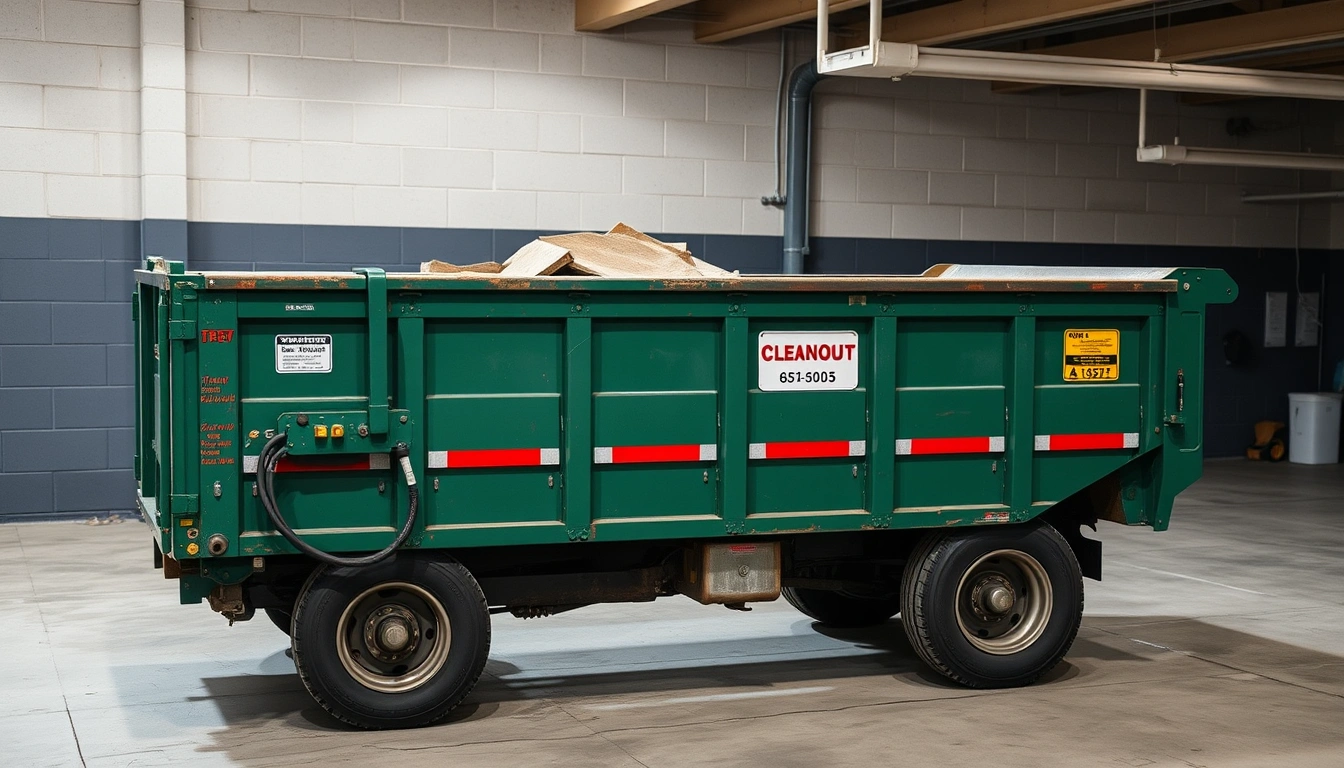
The loading plan that keeps the job moving
The best loading plan for basement cleanout dumpster work is to clear a path first, then load heavy items nearest the door, then break down bulky pieces before they reach the dumpster. If you skip the path step, every trip takes longer and the job feels twice as large.
This is where stair access changes the whole operation. If the basement stairs are narrow, you want fewer trips with smaller pieces, not heroic carries with oversized furniture. In my experience, the fastest basement cleanout jobs are the ones where the crew spends ten minutes staging and saves an hour of lifting later.
Use this sequence when the basement access is the bottleneck:
- Lay down a tarp or cardboard runner outside the stair landing to protect the floor.
- Move loose junk into one staging zone near the stairs.
- Cut carpet into strips before carrying it out, if local disposal rules allow it.
- Break shelving and cabinets down flat with a pry bar and reciprocating saw.
- Load dense debris in shorter throws so the dumpster floor stays balanced.
- Finish with light bags and cardboard so the top layer does not waste space.
A 10 yard dumpster is easier to use when every trip is planned, because a smaller container rewards clean stacking. A 15 yard dumpster gives you more forgiveness, but it can also tempt people to toss whole objects instead of breaking them down.
If the job is mostly a basement cleanout with old furniture and storage clutter, that workflow works well. If you are doing a larger household purge, the same loading order applies to the estate cleanout dumpster category, just with more sorting.
Staging debris before you load it is the difference between a one-day cleanout and a weekend that disappears into hauling.
When the standard advice is wrong
Standard advice is wrong when the basement is wet, the stairs are tight, or the debris mix is heavier than normal. In those cases, the cheapest-looking dumpster is often the most expensive choice because it forces a second rental or a manual haul-out.
Here are the edge cases that change the plan:
1. The basement has standing water or mud
If there is still water or mud, the load is heavier than a normal cleanout. Remove liquid and loose sludge first, then book a dumpster for the dry-out debris only. A smaller dumpster can be correct here because the real problem is contaminated weight.
2. The job includes only carpet disposal
If the basement is mostly carpet disposal, measure by rolls, not by room size. Carpet and pad take more space once cut and bundled, so a 15 yard dumpster is often easier if the carpet is wet or glued down.
3. The basement has a tight stair turn
If furniture cannot clear the turn, do not plan around “one big push.” Break items down at the bottom of the stairs, or you will waste time trying to force pieces that should have been cut apart.
4. The cleanup involves moldy materials
If mold is present, follow local and EPA disposal guidance before loading. Some porous items should not be saved, but they also should not be mixed casually with clean debris. Sort first, load second.
5. You are sharing the dumpster with another project
If the dumpster will also serve a garage or attic project, size up. A shared load almost always ends up larger than the estimate on paper, and a second trip costs more than the upgrade would have.
That one rule saves money more often than it costs money. I have seen people save $100 on size and spend far more fixing the mistake with a second haul, extra labor, and an extra day off work.
Quotable line: The standard advice fails whenever water damage, stairs, or mixed debris turns a simple cleanout into a heavy load.
Quick check: If your basement has wet debris, mold, or a tight stair turn, stop thinking like a trash hauler and think like a mover.
How do I dispose of waterlogged carpet and drywall from a flooded basement?
Separate waterlogged carpet and drywall from anything salvageable, then load the ruined material into the dumpster only after you confirm local disposal rules. If the carpet is soaked or moldy, do not leave it piled in the basement hoping it will dry out; it usually gets heavier, smellier, and harder to move.
For this kind of basement junk removal, the order matters. Cut carpet into smaller strips, roll them tightly, and bundle them with twine or tape if the landfill and rental terms allow it. Drywall should be broken into manageable sections, but not ground into dust, because dust creates cleanup problems and makes the room harder to finish.
- Shut off any remaining water source and ventilate the basement if it is safe.
- Pull out salvageable items first so they do not get contaminated.
- Cut the carpet into strips and remove the pad separately.
- Stack drywall flat and move it in short carries to avoid tearing bags.
- Load the dumpster with the heaviest items first so you can see when weight is building too fast.
- Stop if the debris smells strongly of mold or sewage and ask about disposal rules before continuing.
For this job, I would usually favor a 15 yard dumpster unless the wet area is very small. The reason is simple: carpet disposal and wet drywall behave like renovation debris, and renovation debris eats weight allowance faster than people expect. The home cleanout project statistics page is useful here because flood jobs often overlap with bigger home-reset projects.
If the basement flood touched drywall and carpet pad, plan for heavy debris even when the room looks nearly empty.
A practical rule I use: if more than a trash bag or two of material is wet, a 10 yard dumpster is only the right call when the rest of the load is very light. Otherwise, the extra room in a 15 yard dumpster is worth it.
- A 10 yard dumpster is usually right for dry basement junk, but a 15 yard dumpster is safer for water damage debris.
- Wet drywall, carpet pad, and mud make a basement cleanout much heavier than it looks.
- Stairs and narrow turns matter as much as dumpster size in Rome GA.
- When in doubt, choose the dumpster size that fits the heaviest material first.
Common Questions About basement cleanout dumpster
What size dumpster is best for a basement cleanout in Rome GA?
A 10 yard dumpster is usually the best choice for a dry basement cleanout in Rome GA. If the basement includes water damage, carpet disposal, or drywall, a 15 yard dumpster is usually safer because the load gets dense before it gets tall.
How do I get rid of waterlogged basement debris?
Remove waterlogged basement debris as soon as it is safe, because wet carpet, drywall, and pad gain weight fast and can grow mold. Separate salvageable items first, then load the ruined material into a dumpster that can handle heavy debris, usually a 15 yard dumpster for mixed flood cleanup.
10 yard vs 15 yard dumpster for a basement — which do I need?
Choose a 10 yard dumpster for dry clutter, furniture, and light basement junk removal. Choose a 15 yard dumpster when the job includes wet materials, carpet disposal, drywall, or any debris that is likely to hit weight limits before the dumpster looks full.
Why is water-damaged debris so heavy in a dumpster?
Water-damaged debris is heavy because porous materials soak up water and hold it inside the material. Drywall, carpet pad, and insulation can all gain a lot of weight quickly, which is why a basement cleanout dumpster often reaches its weight limit before it reaches the top edge.
How much does a basement cleanout dumpster cost in Rome GA?
Pricing in Rome GA varies by dumpster size, rental days, and debris type, but a 10 yard or 15 yard dumpster for a basement cleanout is commonly priced as a short-term rental rather than a long project. Water damage debris can raise the total if weight or special handling applies.
How many rental days should I plan for a basement cleanout?
Most basement cleanout dumpster rentals run about 7 to 10 days, which is enough time for sorting, loading, and a weekend work push. If the basement has stairs, wet debris, or a lot of carpet disposal, the extra days help because the project usually slows down more than expected.
The Bottom Line
For a basement cleanout dumpster in Rome GA, start with the heaviest material, not the biggest pile. If the basement is dry, a 10 yard dumpster is usually the cleanest fit; if water damage, carpet disposal, or drywall are part of the job, a 15 yard dumpster is usually the smarter move. Book enough rental days to avoid rushing, because rushed loading is where most mistakes happen.
Pick one thing from this article and try it this week, not all of it. Count the stairs, separate wet debris from dry debris, and decide between a 10 yard dumpster and a 15 yard dumpster before you schedule the haul. For the bigger planning view, see Project-Based Dumpster Rental in Rome, GA — Cleanouts, Renovations & Estate Jobs.
See also: cleanout dumpster rental Rome GA
See also: estate cleanout dumpster Rome GA
See also: garage cleanout dumpster size Rome
Related: moving cleanout dumpster Rome GA
Related: deck removal dumpster size
Related: what size dumpster for garage cleanout