kitchen remodel dumpster size: 10 Yard vs 15 Yard in Rome GA
⏱️ 9 min read · Last updated: 2026
- A small kitchen tear-out often fits a 10 yard dumpster; a full kitchen remodel usually fits better in a 15 yard dumpster.
- Mixed remodel debris commonly weighs about 2,000 to 4,000 pounds for a modest kitchen, but heavy tile debris and old mortar can push the load much higher.
- Most residential dumpster rentals are kept for 7 to 10 days, which is enough for a kitchen remodel if demo starts on day one.
- Cabinets are bulky but usually lighter than tile, drywall, or plaster, so volume often matters more than weight in a kitchen remodel.
- Rome GA projects that include cabinets, tile, and drywall usually need more room than a standard cleanout; a 15 yard dumpster is the common middle-ground choice.
Is a 10 yard dumpster enough for a kitchen remodel? Sometimes, yes. But once you add cabinets, tile, drywall, and a broken countertop or two, the room fills faster than people expect, and the kitchen remodel dumpster size question stops being about “small versus big” and starts being about what you are actually tearing out.
I have watched careful homeowners underestimate remodel debris by a full truckload because they counted boards, not volume. A stack of old cabinets looks manageable until you add tile debris, backsplash, underlayment, and the scraps that come from cutting out sink bases and toe kicks. In 2026, the safest choice for most full kitchen tear-outs is still the same one I would make for my own place: size the dumpster to the mess, not to the floor plan.
That matters in Rome GA because the wrong bin creates a second problem. You either overpay for an oversized rental you barely use, or you end up with a full dumpster in the driveway while the demo crew is still mid-project. I have seen a local quote jump by about $150 simply because the swap-out happened on a weekend instead of during the original rental window.
What actually fits in a 10 yard or 15 yard dumpster
A 10 yard dumpster fits a light kitchen demo. A 15 yard dumpster fits a real tear-out with cabinets, tile, drywall, and some countertop waste without forcing you to stack like a puzzle.
The easiest way to think about it is by components. Cabinets take space fast because they are rigid and awkward. Tile weighs much more than it looks. Drywall breaks down flat, but it still adds volume, and a few sheets can surprise you. If your kitchen remodel includes all four, the 15 yard dumpster usually wins.
| Situation | Best Path | Why Other Options Fail |
|---|---|---|
| Small kitchen refresh with only a few cabinets | 10 yard dumpster | A 15 yard dumpster may be more than you need if the debris is mostly lightweight wood. |
| Full kitchen remodel with cabinets, tile, and drywall | 15 yard dumpster | A 10 yard dumpster can fill before demo is done, especially with bulky cabinet disposal dumpster loads. |
| Kitchen remodel plus garage or attic junk | 15 yard dumpster or larger | A small bin disappears once remodel debris and cleanout material are mixed together. |
Here is the quotable version: a 10 yard dumpster is for a small kitchen tear-out, and a 15 yard dumpster is the safer default for a full kitchen remodel. That is especially true when the job includes tile and drywall.
A 10 yard dumpster is usually about the size of three to four pickup loads, while a 15 yard dumpster is closer to five to six pickup loads, depending on how tightly the material is broken down.
If you are trying to judge quickly, open the garage door and imagine your kitchen debris stacked there. If the pile would fill a small sedan-sized space, you are probably in 10 yard territory. If it would cover a half-car garage bay, you are headed toward 15 yards.
Quick check: if your demo plan includes more than a sink cabinet, a run of uppers, and a few drywall scraps, stop thinking “small” and start thinking “full tear-out.”
If you are removing cabinets, here is the right path
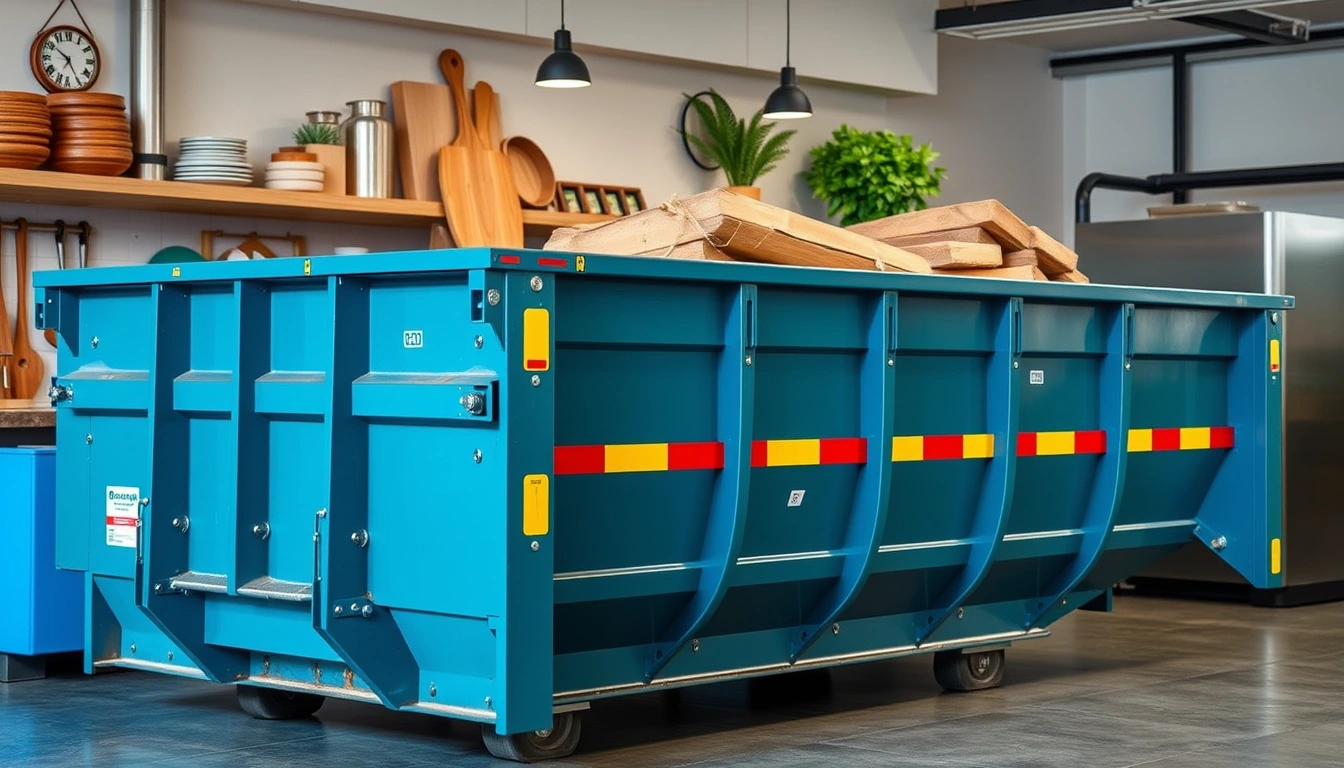
If your kitchen remodel includes cabinet disposal dumpster needs, the best move is usually a 15 yard dumpster unless you are only removing a small bank of uppers or a single base cabinet run. Cabinets are awkward, bulky, and rarely stack as neatly as people expect.
Old cabinets are the reason many homeowners misjudge kitchen remodel dumpster size. They look hollow and lightweight, but once the doors, drawers, face frames, and side panels come out, the pieces still take volume. If those cabinets are made from particleboard or have laminate attached, they also tend to splinter into extra scraps that eat up the bin faster.
- Measure the cabinet run in linear feet, not just by “number of boxes.”
- Separate upper cabinets, base cabinets, and pantry units before loading.
- Remove doors, hinges, and drawers so the carcasses can lie flat.
- Cut long side panels down with a circular saw or reciprocating saw.
- Load the heaviest wood first, then fill gaps with lighter remodel debris.
If the kitchen remodel is only replacing upper cabinets and keeping the same layout below, a 10 yard dumpster can work. But the minute you remove base cabinets, toe kicks, and a sink cabinet, the space requirement rises fast. That is why a 15 yard dumpster is the more forgiving option for cabinet disposal in Rome GA.
For a broader cleanup beyond the kitchen, the same logic shows up in our cleanout dumpster rental Rome GA guide, because bulky items almost always consume more room than their weight suggests.
Quick check: if you will be pulling out more than one full cabinet run, choose the larger bin now instead of hoping the smaller bin somehow stretches.
Why tile and drywall change everything
Tile is the part that makes people overshoot the dumpster fastest. Drywall adds volume, but tile adds weight, and that combination is what turns a manageable kitchen remodel into a cramped load.
Tile debris is dense. Thin tile from a backsplash is one thing, but a floor tear-out with mortar bed, underlayment, and broken ceramic can multiply the load quickly. Drywall is lighter, yet once it is cut into demolition strips, it creates more bulk than most people expect. The result is simple: tile and drywall together push you toward a 15 yard dumpster even when the kitchen itself is not large.
Use this order for tile-heavy demo
- Remove appliances first so you are not working around obstacles.
- Pull cabinets next if the floor tile runs underneath them.
- Break tile in sections and keep the pieces under 2 feet wide where possible.
- Bag loose grout and small shards so they do not scatter in the bin.
- Load drywall and flat scraps last to fill voids around heavier pieces.
In typical kitchen remodel debris, tile and mortar are the items most likely to surprise you on weight. That is why dumpsters are measured in yards, but the rental still has a weight limit. The real decision is not only “Will it fit?” It is also “Will it stay under the included tonnage?”
According to the U.S. Environmental Protection Agency, construction and demolition debris remains a major waste stream, which is why sorting heavy materials and planning the load matters. For material-specific disposal questions, the EPA’s construction and demolition resources are a better reference than generic home-improvement advice.
For readers also dealing with non-kitchen debris, the patterns are similar to a garage cleanout dumpster size Rome decision, where bulky objects usually matter more than square footage.
Quick check: if your kitchen remodel includes floor tile, backsplash tile, or more than a few sheets of drywall, lean toward 15 yards and confirm the weight allowance before demo starts.
What size dumpster do I need for a kitchen remodel in Rome GA?
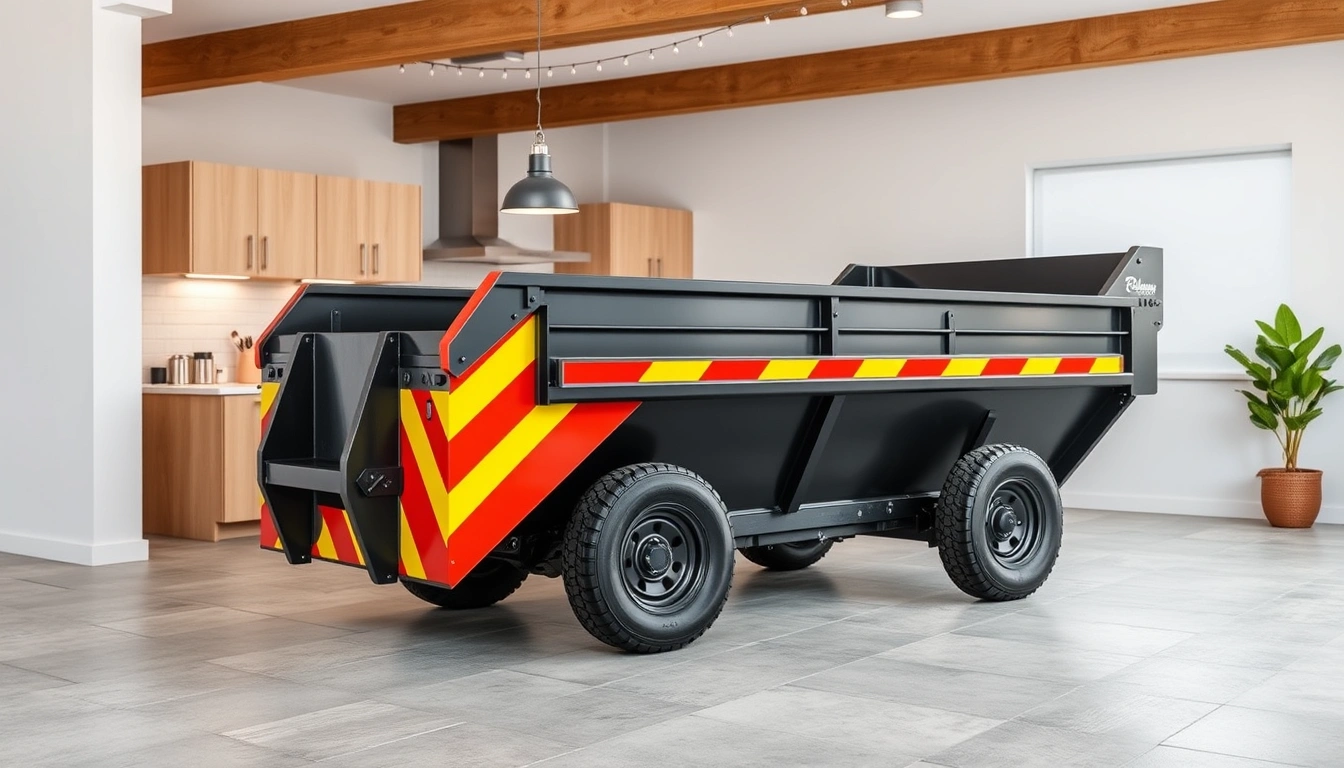
What size dumpster do I need for a kitchen remodel in Rome GA? For most homes, a 15 yard dumpster is the best all-around answer, and a 10 yard dumpster is right only when the job is light and the debris is mostly cabinets or small drywall sections.
That answer changes when the remodel includes tile, plaster, multiple walls, or a second cleanup pile. Rome GA homeowners often underestimate the debris because they picture one room, not the material stack. Once the cabinets are out and the backsplash starts breaking, the bin fills by layers, not by room size.
Use this workflow if you want a clean decision today:
- List every item leaving the room: cabinets, countertops, tile, drywall, flooring, appliances, and trim.
- Put the heavy items in a separate column: tile, mortar, stone counters, plaster, and soaked drywall.
- If you have full cabinet removal plus floor tile, start at 15 yards.
- If you only have a few upper cabinets and light wall patching, a 10 yard dumpster is usually enough.
- If the remodel includes a kitchen plus another room, move up again or split the project.
- Schedule the dumpster for 7 to 10 days so demo and load-out happen inside the same rental window.
That last step matters more than people think. If the dumpster arrives after demo starts, the material piles up in the driveway and around the house, and the project feels twice as long. I have seen a straightforward kitchen remodel take 3 extra days simply because the bin showed up late.
For readers comparing a remodel to a larger property cleanup, our estate cleanout dumpster Rome GA page shows why mixed debris almost always pushes people into a bigger container than they planned.
Quick check: if you can name tile, drywall, and cabinets in the same sentence, you are usually closer to 15 yards than 10.
The part that changes everything
The deciding factor is not kitchen size. It is debris mix. A small kitchen with tile and full cabinets can need more dumpster space than a larger kitchen with only cosmetic updates.
This is where standard advice fails. People ask for a size based on square footage, but the dumpster fills based on volume, shape, and weight. A few flat doors stack neatly. A broken countertop does not. Drywall crushes down. Cabinets do not. Tile debris sits heavy in the bottom of the bin and steals weight allowance long before it fills visually.
| Kitchen scope | Best dumpster size | Typical rental duration |
|---|---|---|
| Paint, minor trim, one or two cabinet sections | 10 yard dumpster | 7 days |
| Full cabinet removal, backsplash, drywall patches | 15 yard dumpster | 7 to 10 days |
| Full tear-out with floor tile and countertop replacement | 15 yard dumpster, sometimes larger if mixed with other rooms | 10 days is safer |
For a typical kitchen remodel, the safest planning window is 7 to 10 rental days, because demo, load-out, and cleanup rarely happen cleanly in fewer than 5.
If you want a number you can use without overthinking it, this is it: a 15 yard dumpster is the practical default for most full kitchen remodels in 2026. That is especially true if you are mixing cabinets, tile debris, and drywall in one bin.
The EPA’s waste guidance and local hauler policies both point in the same direction: separate the heaviest material when you can, and do not treat all remodel debris as equal. That one habit keeps the load manageable.
Quick check: if your demo list has both bulky and heavy materials, the right answer is usually not “pack tighter.” It is “rent the larger bin.”
The stuff that breaks the rules
Some kitchen remodels do not fit the usual 10 yard versus 15 yard decision. If one of these situations applies, the normal advice changes fast.
Situation: stone countertops or thick mortar
What changes: the weight goes up before the bin looks full. What to do instead: use a 15 yard dumpster and confirm the weight limit before the slab comes out.
Situation: plaster walls behind the cabinets
What changes: plaster is heavier and less compressible than drywall. What to do instead: size up, because plaster behaves more like masonry waste than light interior demo.
Situation: wet materials from a leak or old fridge line
What changes: soaked drywall and swollen cabinets get heavier and messier. What to do instead: load quickly and keep the rental window short, ideally 7 days, so the material does not sit and rot.
Situation: the kitchen remodel is part of a bigger cleanout
What changes: remodel debris mixes with household junk, boxes, or garage clutter. What to do instead: look at a broader cleanup plan, or pair the kitchen job with a larger rental such as a home cleanout project if the whole house is in motion.
Situation: tight driveway space in a Rome GA neighborhood
What changes: access matters more than capacity if the truck cannot place the dumpster where the crew needs it. What to do instead: measure the driveway, note overhead wires, and keep the path clear by at least 8 feet.
I made one of my own mistakes here years ago: I chose the smaller bin because the kitchen “looked tiny.” The tile floor alone was enough to force a second haul. It was a cheap lesson compared with the cost of pausing a crew, and I have never sized a kitchen remodel dumpster by guesswork since.
Quick check: if your project has stone, plaster, a leak, or extra-room debris, the standard kitchen remodel dumpster size advice is no longer the right starting point.
How to choose today without overthinking it
Choose the 10 yard dumpster only if your kitchen remodel is light, the materials are mostly wood, and you are not removing floor tile or a full wall of drywall. Choose the 15 yard dumpster if you are doing a real tear-out, especially with cabinets and tile.
That is the whole decision in plain English. The smaller bin is for controlled demo. The larger bin is for normal remodel chaos. In Rome GA, the larger bin is usually the better value because it reduces the odds of an extra trip, an overage fee, or debris sitting around the yard while you wait for a swap.
Use this simple checklist before you book:
- Count the cabinets you are removing, not just the room size.
- Identify tile, drywall, and countertop material separately.
- Estimate whether the load is light, mixed, or heavy.
- Plan for 7 to 10 days of access.
- Reserve the larger bin if you are unsure.
If you are still on the fence, I would choose the 15 yard dumpster for any full kitchen remodel in 2026. The cost gap is usually easier to swallow than the inconvenience of a full bin halfway through demo.
Quick check: if your goal is to keep the project moving, not to play Tetris with drywall and cabinets, choose the larger size.
- A 10 yard dumpster works for small kitchen tear-outs; a 15 yard dumpster is better for most full kitchen remodels.
- Cabinets are bulky, tile debris is heavy, and drywall changes the load more than square footage does.
- Plan on 7 to 10 rental days so demo and cleanup stay inside one window.
- If you are unsure, the safer 2026 choice is usually the 15 yard dumpster.
Common Questions About kitchen remodel dumpster size
What size dumpster is best for a kitchen remodel in Rome GA?
A 15 yard dumpster is the best default for most kitchen remodels in Rome GA. It usually handles cabinets, tile, drywall, and countertops without forcing a second haul. A 10 yard dumpster is fine only for lighter projects with limited tear-out.
Will a 10 yard dumpster hold old cabinets and tile from a kitchen tear-out?
It might hold a small amount, but a full cabinet run plus tile usually pushes a 10 yard dumpster too far. Cabinets are bulky, and tile is heavy. If both are coming out, a 15 yard dumpster is the safer choice in most cases.
How do I dispose of old cabinets and countertops?
Old cabinets and countertops usually go in a dumpster rental if local rules allow mixed remodel debris. Break cabinets apart, separate doors and drawers, and keep heavy stone countertops flat at the bottom. If the countertop is granite or quartz, confirm weight limits first.
10 yard vs 15 yard dumpster for a kitchen remodel — which fits?
Choose 10 yards for a small kitchen refresh, such as a few cabinets and light drywall. Choose 15 yards for a full kitchen remodel with cabinets, tile, and normal remodel debris. If you are asking which one fits better, 15 yards is usually the safer answer.
Why did my kitchen remodel debris exceed the dumpster?
Kitchen remodel debris exceeds the dumpster when bulky materials are underestimated. Cabinets, tile, underlayment, and drywall take more space than the room looks like on paper. Weight limits can also be hit early if the load includes mortar, stone, or soaked materials.
How much does a kitchen remodel dumpster cost in Rome GA?
Costs vary by dumpster size, rental length, and weight allowance, but the 15 yard dumpster usually costs more than a 10 yard dumpster because it gives you more room and fewer overage risks. Ask for the included days and tonnage in writing before booking.
The bottom line
The right kitchen remodel dumpster size is usually a 15 yard dumpster if you are doing a real tear-out in Rome GA. Use a 10 yard dumpster only when the project is light and the debris is mostly wood or a few drywall scraps. If you want the cleanest path, count cabinets, tile, and drywall separately, then size the bin for the heaviest version of the job. Pick one thing from this article and try it this week — not all of it, just one. For the bigger project picture, see Project-Based Dumpster Rental in Rome, GA — Cleanouts, Renovations & Estate Jobs.
See also: cleanout dumpster rental Rome GA
See also: home cleanout project statistics
See also: garage cleanout dumpster size Rome
Related: bathroom remodel dumpster rental
Related: gut renovation dumpster
Related: deck removal dumpster size