what can you put in a dumpster Rome GA: 2026 rules, fees, and limits
⏱️ 14 min read · Last updated: 2026
- Walker Mountain Landfill accepts household garbage, construction debris, and inert waste, which is the baseline for most Rome roll off dumpster loads.
- Rome city solid waste rules list 9 prohibited curbside/dumpster items: tires, hazardous waste, refrigerators, air conditioners, stumps, rocks, dirt, burned materials, plastic bags, and glass of any kind.
- Typical Rome-area dumpster weight limits run from 2 to 8 tons, and many residential rentals are set at 2, 4, or 6 tons before overage tonnage charges start.
- Local tipping fees at the Floyd County landfill commonly land around $55 per ton for municipal solid waste in 2026, before hauler markup and fuel charges.
- Overage tonnage charges are often billed at $55 to $75 per extra ton in the Rome area, depending on the load type and the carrier’s contract.
The first time I watched a renovation load get rejected, it was not because of “trash.” It was because one hidden item changed the whole bin. If you are trying to figure out what can you put in a dumpster Rome GA, the real answer is less about volume and more about what the landfill, the hauler, and the city will actually accept.
I have seen people lose half a day because a single mattress, a bucket of old paint, or a pile of dirt got mixed into a regular construction load. In Rome, that mistake can turn into re-sorting time, a second haul, or overage tonnage charges that show up after the fact. The difference between a clean load and a messy one is often a few simple decisions made before the first bag goes in.
What actually changes the answer
The answer changes based on three things: the material, the weight, and where the dumpster is going. If the load is household junk or construction debris, you are usually fine. If it includes hazardous waste, refrigerants, yard waste mixed with regular debris, or heavy inert material like concrete debris, the answer changes fast.
Rome’s rules are not vague once you look at the actual disposal chain. The Walker Mountain Landfill accepts household garbage, construction debris, and inert waste such as soil, concrete, cured asphalt, rock, bricks, and yard trimmings, which is why those categories are the backbone of most legal dumpster loads in Rome. The city’s own solid waste rules also name 9 prohibited items for curbside and dumpster disposal, so the “no hazardous waste” advice is true but incomplete.
The practical rule in Rome is simple: if a material cannot legally enter the Walker Mountain Landfill stream, it should not go into a rented dumpster either.
If you are asking what can you put in a dumpster Rome GA because you have one big cleanup, start by sorting into four piles: household junk, construction debris, yard waste, and special waste. That one move prevents the most common expensive mistake I see: mixing a “clean” debris load with items that trigger a different disposal path.
Quick check: if your load includes dirt, a refrigerator, or paint cans, you are already outside the default answer and need a different plan.

What you can put in a Rome dumpster
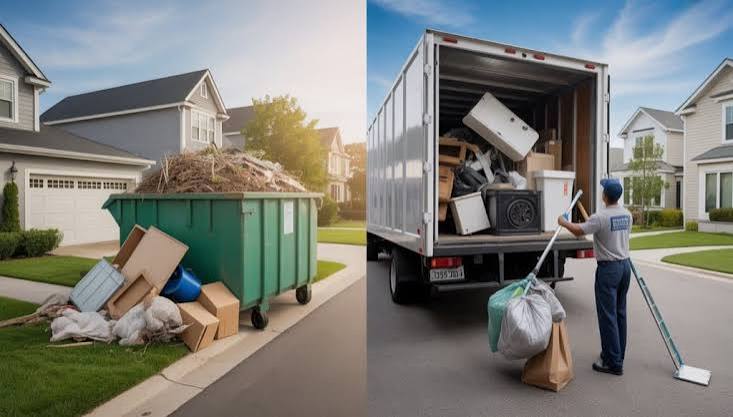
If it is ordinary trash, most renovation debris, or furniture, you can usually put it in a Rome roll off dumpster. The cleanest loads are household garbage, wood, drywall, carpet, shingles, furniture, mattresses, and most non-liquid construction debris. That covers the bulk of what people haul out during moves, remodels, estate cleanouts, and roof jobs.
Rome-area provider guidance lines up with that reality. Lone Ranger Dumpsters lists household items, yard debris, construction materials, furniture, mattresses, appliances, and TVs as allowed items, which is broader than many people expect. The catch is that “allowed” still depends on whether the item contains refrigerant, oil, or another prohibited component.
Here is the short version of what usually goes in without trouble:
- Furniture: couches, chairs, tables, dressers, bed frames.
- Household junk: toys, boxed clutter, clothing, paper, broken décor.
- Renovation debris: wood, sheetrock, carpet, trim, cabinets, tile.
- Roofing debris: shingles, underlayment, flashing, nails.
- Appliances without refrigerant or hazardous parts, if your hauler allows them.
- Yard waste in a separate load, if your provider accepts it that way.
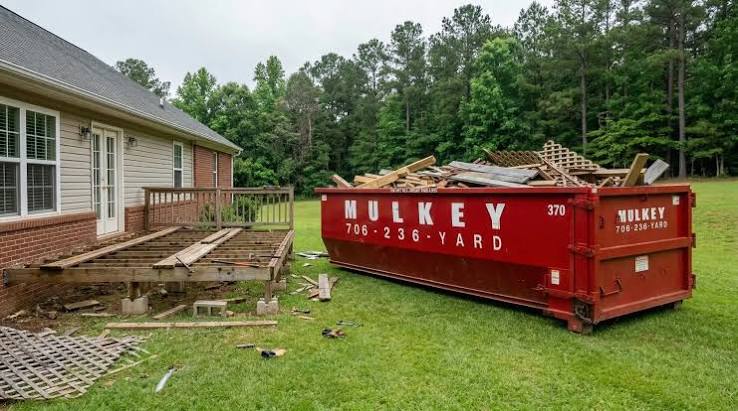
For roof work, shingles are usually one of the heaviest common loads, so the item list matters less than the tonnage. A single-layer tear-off on a modest house can fill a dumpster by volume before it hits the weight limit, but a layered roof can hit the limit much sooner. That is where people get surprised by the invoice.
If you are booking construction dumpster rental, ask whether the rental is for mixed C&D or for a cleaner material stream. That single question can change whether the load is priced by volume, by tonnage, or by a special material category.
Quick check: if your load is mostly furniture, drywall, wood, or shingles, you are likely in the normal-use zone for a Rome dumpster.
What you cannot put in a dumpster
You cannot throw banned dumpster items into a Rome dumpster and assume the landfill will sort it out. The safest answer is no for anything hazardous, pressurized, leaking, flammable, or refrigerant-based. Rome city rules also ban several specific items that people forget because they do not sound “hazardous” at first glance.
The city’s rule set names 9 prohibited items for curbside and dumpster disposal: tires, hazardous waste, refrigerators, air conditioners, stumps, rocks, dirt, burned materials, plastic bags, and glass of any kind. That list is more useful than the generic “no hazardous waste” warning because it tells you exactly where local loads get rejected.
Here is the practical banned list for Rome jobs:
- Tires.
- Hazardous waste, including solvents and pesticides.
- Paint and paint cans with liquid residue.
- Propane tanks.
- Freon-containing appliances and units.
- Car batteries and other lead-acid batteries.
- Asbestos.
- Oil, fuels, and other liquids.
- Burned materials, dirt, rocks, and stumps when mixed into regular loads.
- Glass of any kind in many city collection streams.
Federal refrigerant rules make one category especially risky: refrigerators, freezers, and air conditioning units. Refrigerants must be professionally recovered before disposal, so putting an intact freon-containing appliance in a Rome dumpster can create an environmental violation. That is one reason appliance pickup is not the same thing as appliance disposal.
If you need hazardous waste disposal, do not improvise. Separate it, label it, and use the proper channel through your hauler or the Georgia EPD-related disposal pathway rather than a roll off dumpster. The container may be convenient, but the law does not care about convenience.
Rome’s local rules are stricter than the generic internet advice: 9 specific prohibited items show up in the city’s solid waste guidance, not just a vague warning about “hazardous materials.”
Quick check: if the item has liquid, gas, refrigerant, fuel, or unknown chemical residue, treat it as banned until a provider says otherwise in writing.

Weight limits and overage costs
If you go over the dumpster weight limits, the price can jump even when the dumpster looks only half full. That is because disposal is billed by tonnage, not just space. For many Rome rentals, the weight limit is set at 2, 4, or 6 tons, and the overage tonnage charges start once the load crosses the contract limit.
To make that less abstract: a 20-yard dumpster full of drywall and shingles can weigh more than a 30-yard dumpster full of household junk. Heavy materials compress neatly and punish the invoice later. Light materials fill the bin first but often stay under the cap.
In Rome, the local tipping fee rate tied to the Floyd County landfill is commonly around $55 per ton for municipal solid waste in 2026, before transport and handling markup. Many haulers charge their own overage tonnage charges on top of that, often landing in the $55 to $75 per extra ton range. That is why two people can rent the same size dumpster and pay very different final bills.
| Situation | Best Path | Why Other Options Fail |
|---|---|---|
| House cleanout with furniture and boxes | Use a standard roll off dumpster and keep it under the ton cap | Loose sorting wastes time, but weight is usually manageable |
| Roof tear-off with shingles | Book a dumpster sized for heavy debris and ask for the tonnage allowance up front | A bigger bin does not fix a low weight allowance |
| Concrete or brick demo | Use a clean inert-load plan or separate container | Mixed heavy debris can trigger overflow fees fast |
| Appliances with refrigerant | Recover refrigerant first, then dispose through the proper stream | An intact unit can violate federal disposal rules |
If you are comparing dumpster rental Rome GA offers, ask for three numbers, not one: the included tonnage, the overage rate per ton, and whether the rate changes for concrete debris or shingles. Those are the numbers that decide whether the “cheap” quote stays cheap.
Quick check: if the load includes shingles, tile, concrete, or dirt, you should assume weight matters more than dumpster size.
What to do by job type
The right answer changes depending on whether you are cleaning out a house, re-roofing, or tearing out a patio. If you match the dumpster to the job type instead of the room count, you will make fewer mistakes and avoid overage charges. This is where people save the most money in Rome.
House cleanout
If the job is mostly household junk, start with furniture, clothing, toys, paper, and boxed clutter. Keep liquids, batteries, and old electronics with special handling out of the bin. A house cleanout usually stays under the weight cap unless you are tossing books, wet items, or mixed household debris that has sat in a basement for years.
- Walk the house once with three labels: keep, donate, toss.
- Pull out all liquids, batteries, and electronics before you rent the dumpster.
- Set aside one pile for bulky furniture and another for bagged clutter.
- Use heavy-duty contractor bags for loose trash so it stacks better.
- Load the dumpster with furniture on the bottom and lighter trash on top.
- Stop if you hit a wall of books, dirt, or broken tile; that is a weight warning.
If you are doing a move-out and need a dumpster permit Rome GA, check local placement rules before setting the bin on the street or another public area. Rome requires permits for dumpster placement on public or private property in certain situations, and the Solid Waste Department can be reached at (706) 236-2466 for guidance.
Roof replacement
If the job is shingles, the main issue is tonnage, not volume. Shingles are dense, and old layers stack into weight fast. The smart move is to ask for a dumpster with enough included tonnage for the roof size, then confirm whether the hauler treats roofing debris as a standard C&D load or a heavier special case.
For a roof job, I would rather see a slightly more expensive rental with a proper ton allowance than a cheap dumpster that tips into fees halfway through the tear-off. That is not a theory. I have seen a contractor add a second haul because the first load crossed the cap by less than a ton and the fee math made a reload cheaper than paying overage.
Concrete or masonry demo
If you are breaking up concrete debris, bricks, or cured asphalt, treat the load as dense inert waste and not generic trash. These materials are accepted at the landfill stream, but they can overload a normal mixed-load dumpster quickly. Many haulers prefer a cleaner load or a separate container just for inert material.
The easiest way to handle this is to separate concrete from wood, drywall, and metal before the first hammer swing. Once you mix heavy and light debris, the bin becomes harder to estimate and easier to overpay for. A 4-ton allowance can disappear faster than people expect with masonry.
Quick check: if the job has shingles, a roof tear-off, or concrete debris, the dump plan should be based on tonnage first and cubic yards second.
Edge cases that break the normal rules
Normal advice breaks down when the load mixes material types or when the item looks harmless but is not. If you have one of these edge cases, the answer changes even if the dumpster is otherwise fine for Rome. These are the scenarios I would treat carefully every time.
- Mixed yard waste and household trash: Yard waste, including trees, brush, dirt, grass, and stumps, should not be mixed with regular debris in many Rome-area dumpsters. Separate it, because mixed loads are where providers reject containers or surcharge them.
- Old appliances: A refrigerator or air conditioner is not just “metal.” If it still contains refrigerant, it needs proper recovery before disposal. The presence of a compressor changes the whole decision.
- Paint and liquids: A dry paint can is not the same as a can with liquid residue. Liquids spread, leak, and are typically treated as hazardous waste disposal items.
- Burned debris: Burned materials can look like ordinary ash and wood, but local rules may treat them differently. Confirm before mixing them into a construction bin.
- Glass cleanup: City solid waste rules specifically call out glass of any kind. If you are replacing windows or cleaning up broken glass, ask whether it needs separate handling.
- Stumps, rocks, and dirt: They sound like yard material, but they are dense and often restricted from standard mixed loads. A separate inert or yard-waste load is safer.
The pattern is always the same: if the material is wet, dense, pressurized, chemical, or mixed with another waste stream, the standard dumpster answer weakens. That is why “just toss it in” works for paper and fails for almost everything else.
The most expensive dumpster mistake is not a big mistake; it is one dirty item in an otherwise acceptable load.
If you are managing a commercial project, the city’s solid waste office also offers business dumpster service in 4, 6, and 8 cubic yard sizes for businesses that have applied for city service. That matters when the project is routine but the disposal needs are steady enough to justify a different setup.
Quick check: if your load includes anything wet, pressurized, chemical, or mixed-stream, you are in edge-case territory and should not treat the bin as a universal solution.
How to avoid an expensive mistake
The cheapest Rome dumpster is the one that does not force a second haul. If you want to avoid surprise charges, use a short checklist before the dumpster arrives and a second one before pickup. That is the part most people skip, and it is where money leaks out.
- Sort the load by waste stream: household junk, construction debris, yard waste, or inert material.
- Pull banned dumpster items before anything touches the bin.
- Ask for the included weight limit in tons, not just the dumpster size in cubic yards.
- Ask for the overage tonnage charges in writing.
- Confirm whether mattresses, appliances, TVs, or concrete debris are allowed on your specific rental.
- If the dumpster goes on a street or shared property, verify whether a dumpster permit is required.
- Load dense material low and early, then stop when the bin starts to feel heavy even if it looks empty.
That last step matters because volume lies. A half-full dumpster of roofing shingles can weigh more than a nearly full dumpster of couch cushions and cardboard. If you have ever wondered why two neighbors pay different final bills for the same rental, that is usually the reason.
One honest mistake I made early on was assuming every appliance could go with scrap metal. It was a refrigerator. The hauler caught it before pickup, and I had to arrange separate handling for the refrigerant. Since then, I treat “appliance” as a category name, not a disposal answer.
If your project is mostly framing or demo, a roll off dumpster for contractors Rome GA is usually a better fit than a generic cleanout bin because the rental can be matched to debris type and turnover speed. That matters when crews are filling bins fast and cannot afford a back-and-forth with disposal.
Quick check: if you cannot name the waste stream and the ton limit before the dumpster arrives, you are not ready to load it yet.
Can you mix yard waste, concrete, and household trash in one dumpster?
No, not safely in Rome, and that is one of the most common load-mix mistakes. Yard waste, concrete debris, and household trash belong to different disposal streams, and local providers often require separate loads for yard waste. The issue is not just rules; it is contamination and weight. Once you mix them, the load becomes harder to accept and easier to surcharge.
In practical terms, a load of brush and grass behaves very differently from a load of bricks and drywall. If you mix them, the bin can look organized and still be wrong. Separate piles before pickup, and you will usually save time and money.
What materials am I not allowed to throw in a rented dumpster in Rome, Georgia?
You are not allowed to throw tires, hazardous waste, refrigerant-containing appliances, propane tanks, batteries, paint with liquid residue, asbestos, oils, or most liquids into a Rome rented dumpster. Rome city rules also flag stumps, rocks, dirt, burned materials, plastic bags, and glass of any kind in local solid waste guidance. Those are the items that cause the most trouble.
If you are unsure about an item, treat it as prohibited until the hauler says otherwise. That is the safer move because one bad item can trigger a rejected load, extra handling, or a special disposal fee. Good disposal starts with sorting, not with hoping the dump will take care of it.
How much does it cost if I go over the weight limit on a dumpster in Floyd County?
It usually costs about $55 to $75 per extra ton in the Rome area, depending on the hauler, material type, and contract terms. The tipping fee at the Floyd County landfill is commonly around $55 per ton in 2026 before markup, so overage tonnage charges build on top of that. Heavy loads like shingles and concrete can reach the limit fast.
The exact bill depends on how far you go over. A small overage might be one extra ton. A roof tear-off or masonry load can add several tons if the estimate was too optimistic. Ask for the overage rate before booking so the final bill does not surprise you.
Do mattresses, couches, and appliances go in the dumpster?
Couches and most furniture usually go in a Rome dumpster without issue. Mattresses also often go in, but some haulers have special handling rules, so it is worth confirming before pickup. Appliances are trickier because many contain components like refrigerant, oil, or electronics that change how they must be disposed of.
A simple way to think about it: furniture is usually routine, mattresses are often allowed but sometimes special, and appliances need a quick check for refrigerant or fluids. The minute a machine has a compressor, tank, or cord, treat it as a review item rather than a default toss.
Do I need a dumpster permit in Rome GA?
Yes, if the dumpster will sit on public property, private property, or the right-of-way in a situation that requires city approval. Rome requires a permit for dumpster placement in those cases, and the Solid Waste Department is the place to call at (706) 236-2466. This is especially important on streets, narrow driveways, or shared access areas.
If the dumpster stays fully on your own property, you may still want to confirm the placement rules with your hauler and the city. Permits are cheaper than moving a filled dumpster after the fact. That is one of those annoying tasks that is easier to do once than to fix twice.
- In Rome, a dumpster is fine for household junk, construction debris, furniture, mattresses, and many inert materials if they are kept in the right stream.
- Rome’s local rules name 9 prohibited items, and the biggest troublemakers are tires, hazardous waste, refrigerant appliances, dirt, rocks, and glass.
- Weight matters as much as size: many rentals include 2, 4, or 6 tons, and overage charges can run $55 to $75 per extra ton.
- If the load mixes yard waste, shingles, concrete debris, and trash, separate it before pickup or expect problems.
Common questions about what can you put in a dumpster Rome GA
Can I throw out old carpet in a Rome dumpster?
Yes, old carpet usually goes in a Rome roll off dumpster as construction debris. Keep it dry and separate from dirt, paint, and liquids. If the carpet is soaked, moldy, or mixed with demolition waste that includes hazardous materials, confirm with the hauler first.
Are shingles allowed in a roll off dumpster in Rome, GA?
Yes, shingles are commonly allowed, but they are heavy and can push a load over the weight limit fast. A roof tear-off is often billed by tonnage more than by bin size. Ask for the included tons before booking, especially on older roofs with multiple layers.
Can I put dirt and concrete together in one dumpster?
Sometimes a hauler will allow inert material together, but many Rome-area providers want a separate load for dirt, concrete debris, brick, and similar heavy material. Mixing them with household trash is where most problems start. Ask for an inert-load policy before the dumpster arrives.
What happens if I put a refrigerator in the dumpster?
If the refrigerator still contains refrigerant, it can violate disposal rules because the refrigerant must be professionally recovered first. The hauler may reject the load or charge extra for special handling. Do not toss intact freon-containing appliances into a Rome dumpster.
Can I mix yard waste with my house cleanout dumpster?
Usually no. Rome-area providers often require yard waste such as trees, brush, dirt, grass, and stumps to go in a separate load from household or construction debris. Mixing them can lead to rejection, extra sorting, or a higher disposal bill.
How do I avoid overage tonnage charges on my rental?
Book the right ton allowance, keep heavy debris separate, and stop loading when dense material starts to dominate the bin. Ask for the overage rate in writing before delivery. In Rome, that usually matters more than chasing the lowest base price.
The Bottom Line
For most jobs, what can you put in a dumpster Rome GA comes down to a clean yes for household junk and construction debris, and a hard no for tires, hazardous waste, refrigerant appliances, and mixed yard waste. The money saver is not guessing better; it is sorting better before the dumpster arrives. If you are doing one thing this week, make a separate pile for heavy materials and a separate pile for banned dumpster items before you book. That single habit prevents most overage tonnage charges and most disposal headaches.
See also: dumpster rental Rome GA
See also: roll off dumpster for contractors Rome GA
See also: dumpster permit Rome GA
Related: what can you not put in a dumpster in Georgia
Related: dumpster overage charges explained
Related: dumpster waste disposal statistics Georgia