dumpster waste disposal statistics Georgia: 2026 landfill and recycling data
⏱️ 8 min read · Last updated: 2026
- Georgia EPD tracks municipal solid waste by tonnage, and statewide disposal volumes are measured in millions of tons, not thousands.
- The U.S. EPA says the national municipal solid waste recycling rate was 32.1% in its most recent national estimate, which is a useful benchmark for Georgia comparisons.
- Per-capita municipal solid waste generation in the United States was 4.9 pounds per person per day in the EPA’s latest national estimate, a practical planning number for 2026 projects.
- Floyd County waste data is most useful when you separate household trash from construction debris volume, because a remodel can fill a dumpster much faster than curbside waste.
- The Floyd County landfill is the most direct local pressure point for Rome-area disposal planning, because landfill tonnage stats affect both capacity and hauling decisions.
A roll-off dumpster can look oversized right up until drywall, roofing tear-off, and broken framing start going in. That is why dumpster waste disposal statistics Georgia matter more than most people think in 2026: they explain why a “small job” often turns into a full container.
I have seen the same pattern on cleanup jobs and renovation loads for years. The first 20 minutes look harmless, then the pile gets dense, heavy, and awkward; a 20-yard dumpster that seemed generous can run out of space before it runs out of room on the driveway.
- Georgia EPD is the state agency that publishes solid waste and recycling data, and its reports are the cleanest place to start for landfill tonnage stats.
- The U.S. EPA reports the national recycling rate at 32.1%, which gives Georgia a clear comparison point even when county-level records are incomplete.
- The U.S. EPA puts national per-capita municipal solid waste generation at 4.9 pounds per person per day, or about 1,789 pounds per person per year.
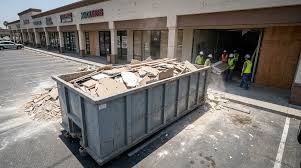
- Construction debris volume usually jumps faster than household waste because roofing, drywall, lumber, and concrete all consume space differently in a dumpster.
- Floyd County waste data should be interpreted with caution when comparing curbside trash to roll-off loads, because the waste stream is not the same.
What the numbers mean for Rome and Floyd County
Georgia’s waste story is shaped by one basic fact: the state still sends a very large share of municipal solid waste to landfill. For Rome and Floyd County, that means disposal planning is less about theory and more about how fast a load fills space in a container.
The most useful benchmark is not a single headline figure, but the relationship between landfill tonnage, recycling rate, and per-capita waste pounds. When those three numbers move in different directions, you get the mismatch that homeowners feel as surprise overage charges and contractors feel as delayed haul-offs.
The best dumpster estimate is usually the one that assumes dense debris first and light debris second, because weight, not just volume, is what trips a cleanup budget.
Georgia EPD is the authority to watch for statewide patterns, while the U.S. EPA remains the standard comparison source for recycling rate and per-capita waste pounds. Those two references are what make dumpster waste disposal statistics Georgia usable instead of just interesting.
If you are planning a renovation, the practical question is not whether waste exists. It is whether your project creates mostly air-filled material like cardboard and trim, or dense material like shingles, plaster, and concrete.

How much construction waste does Floyd County generate each year?
Floyd County generates a meaningful amount of construction debris volume each year, but the exact annual total should be pulled from Georgia EPD or local disposal records when you need a citable figure. That is because construction and demolition waste is often tracked differently from household municipal solid waste.
For planning, the better approach is to work from project type. A roof tear-off, kitchen demo, and garage cleanout do not produce the same tonnage, and the same 20-yard dumpster can behave very differently depending on the material mix.
Quoted line: Construction debris volume is usually the fastest-growing part of a dumpster load in Rome, GA, because heavy materials compress poorly and reach weight limits before they look full.
That is why most contractors in the Rome area size a dumpster from the job list, not from the square footage alone. A 1,500-square-foot interior demo can still be lighter than a smaller roofing project, especially when shingles and underlayment are involved.
For a local reference, pair project estimates with the what can you put in a dumpster Rome GA rules page before you load anything unusual. The wrong mix of debris can turn a simple pickup into a delay.
What usually drives the biggest loads
Roofing, flooring replacement, deck removal, and whole-room gut jobs are the main drivers of construction debris volume. Those jobs produce waste quickly because the material is compact, heavy, and hard to stack neatly.
- Shingles and roofing underlayment add weight faster than homeowners expect.
- Drywall fills space fast, but it also creates dust and awkward edges.
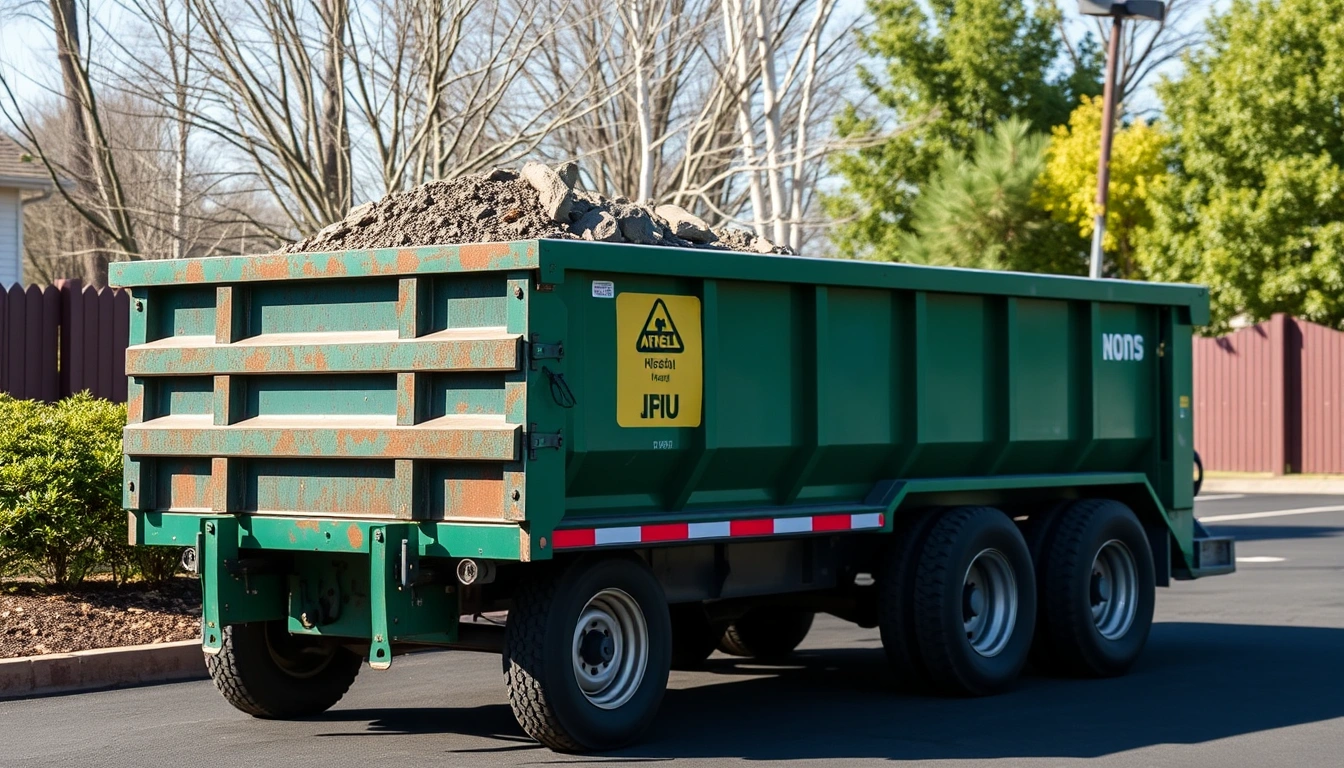
- Concrete and brick are dense enough to change the disposal math immediately.
- Wood framing is lighter, but long pieces can waste capacity inside the dumpster.
What percentage of debris in Rome GA gets recycled versus landfilled?
The cleanest answer is that Georgia still landfills most municipal solid waste, while the recycling rate remains far below 50%. The most recent national benchmark from the U.S. EPA puts the recycling rate at 32.1%, which is useful context when local records do not separate every waste stream neatly.
Georgia recycling rate data should be read with care because the state tracks a mix of residential, commercial, and construction material. That matters in Rome, where one project might produce mostly landfill-bound trash while another produces recyclable metal, cardboard, or green waste.
The practical split for many dumpster loads is straightforward: clean metal, untreated wood, and cardboard often have better recovery options than mixed demolition debris. Mixed loads usually end up landfilled because separation takes labor, space, and a sorting plan most homeowners do not have.
A recycling rate number becomes useful only when you know what was measured, because a countywide recycling rate can hide big differences between household trash, yard debris, and construction and demolition waste.
If you are sorting a renovation pile, the fastest win is not perfection. It is separating metal, cardboard, and brush before they touch the mixed debris pile. For yard work, a dumpster for landscaping debris can keep green waste cleaner and easier to manage.
| Measure | Best available benchmark | What it means for Rome-area dumpster use |
|---|---|---|
| Recycling rate | 32.1% national estimate (U.S. EPA, latest) | Most material still goes to landfill, so mixed loads remain the norm. |
| Per-capita waste pounds | 4.9 pounds per person per day (U.S. EPA, latest) | Household projects add up faster than people expect, especially during cleanouts. |
| Landfill tonnage | Tracked in tons by Georgia EPD | Useful for capacity planning and long-term disposal trends. |
| Construction debris volume | Project-dependent, not a single county average | Roofing, demo, and remodels can fill a dumpster much faster than curbside trash. |
Why landfill tonnage stats matter more than people think
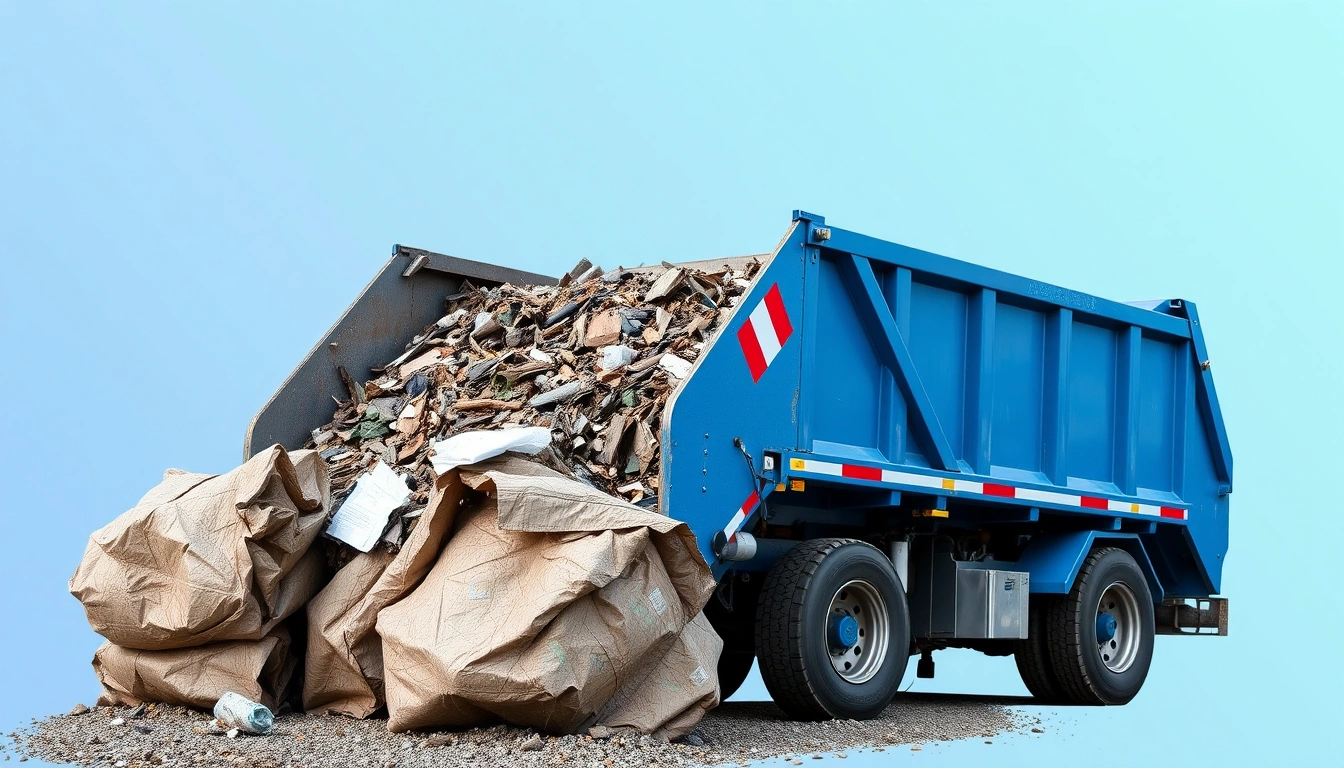
Landfill tonnage stats matter because they predict pressure on both pricing and scheduling. When tonnage rises, haulers, disposal sites, and transfer systems all feel the strain, even if the change is modest month to month.
For most homeowners, the effect shows up as a container size mistake. A 10-yard dumpster may be enough for a closet cleanout, but it is rarely enough for flooring removal, bathroom demo, and exterior junk in one pass.
If you want to understand the financial side, the best starting point is dumpster overage charges explained. The reason is simple: disposal gets expensive when tonnage is underestimated, not when the project looks messy.
In Georgia, disposal pricing usually reflects a mix of haul distance, landfill fees, and material type. Clean loads are easier to move than mixed loads, and dense debris costs more to dispose of because weight fills the allowance first.
The part that changes the estimate
The part that changes the estimate is density. A dumpster filled with old furniture may weigh far less than one filled halfway with tile or wet drywall.
I learned that the hard way on a cleanup where the bin looked only three-quarters full, but the scale told a different story. The job did not need a bigger container; it needed a different loading plan and a better material split.
That distinction matters in 2026 because more homeowners are mixing renovation, storm cleanup, and landscaping in one rental. If you do that, check the banned list first with what can you not put in a dumpster in Georgia, then sort the waste by density and risk.
Three ways to estimate smarter
- Count material type first: shingles, drywall, wood, metal, and brush behave differently.
- Assume wet material weighs more than dry material by a wide margin.
- Leave 15% of space unused if the pile includes bulky, irregular shapes.
That is also why “construction debris volume” is a better planning term than “junk pile.” The first one can be measured against a dumpster size. The second one usually hides weight problems until pickup day.
Common Questions About dumpster waste disposal statistics Georgia
How much waste does Rome GA send to the landfill annually?
Rome’s annual landfill total is best read through Floyd County waste data and Georgia EPD reporting, because disposal is tracked in tonnage rather than one neat household figure. For most projects, the practical takeaway is that landfill-bound waste still makes up the bulk of mixed loads in 2026.
How is construction debris tracked in Floyd County?
Construction debris is usually tracked separately from household municipal solid waste when records are available, and the most useful unit is tonnage. In practice, the county-level number matters less than material type, because shingles, drywall, and concrete produce very different disposal outcomes.
Georgia recycling rate vs national average — how do they compare?
The U.S. EPA’s latest national recycling rate is 32.1%, which is the cleanest comparison point for Georgia recycling rate discussions. Georgia’s local results vary by county and material stream, but mixed renovation debris usually falls well below clean, source-separated recycling streams.
Why is landfill tonnage increasing in Floyd County?
Landfill tonnage usually rises when population growth, renovations, and storm cleanup overlap. In Floyd County, the biggest driver is often not one giant project but many small ones that add up, especially when construction debris volume stays mixed instead of sorted.
How much does landfill disposal cost per ton in Georgia?
Landfill disposal cost per ton in Georgia varies by facility, haul distance, and material type, so there is no single statewide price that stays accurate for every city. The best planning method is to ask for the hauler’s disposal allowance and compare it against the expected tonnage before booking.
What percentage of debris in Rome GA gets recycled versus landfilled?
Most debris in Rome, GA still ends up landfilled when it is mixed demolition waste, while cleaner material streams can be recycled at much higher rates. The exact percentage depends on the load, but the national benchmark of 32.1% recycling shows why sorting ahead of time matters.
- Georgia waste decisions are usually decided by tonnage, not by how full a dumpster looks.
- Construction debris volume can outrun household trash by a wide margin in one small remodel.
- The U.S. EPA’s 32.1% recycling rate is the best national comparison point for Georgia recycling rate discussions.
- Sorting dense materials early is the fastest way to avoid overage costs and pickup delays.
The bottom line
dumpster waste disposal statistics Georgia are most useful when they change how you plan a load today. If you are in Rome or Floyd County, start with the material mix, not the dumpster size, and treat dense debris as the real constraint. Then check local rules, estimate weight before volume, and compare your pile to the job-specific guidance in the pillar article: What Can & Can't Go in a Dumpster in Rome, GA — Waste Types, Weight Limits & Overage Costs. Pick one thing from this article and try it this week — not all of it, just one.
See also: what can you not put in a dumpster in Georgia
See also: what can you put in a dumpster Rome GA
See also: dumpster overage charges explained
Related: mixed construction debris dumpster
Related: dumpster weight limits Rome GA
Related: concrete dumpster rental Floyd County