What can you not put in a dumpster in Georgia: 7 banned items
⏱️ 8 min read · Last updated: 2026
- The banned item count in most Georgia dumpster rental contracts is usually 7 core categories: hazardous waste, tires, paint, batteries, electronics, appliances with refrigerants, and flammables.
- Georgia hazardous waste violations can trigger civil penalties of up to $25,000 per day per violation under state environmental enforcement authority, depending on the facts and agency action.
- Rome and Floyd County do not have one universal “dump everything” site; local disposal usually means at least 3 separate paths: household hazardous waste handling, tire recycling, and electronics drop-off.
- Latex paint is often accepted only if fully dried out; liquid paint is commonly refused because it can leak in transit and at the landfill.
- Tires usually need a special fee or recycler route in Georgia, not a dumpster, because they trap air, float in landfill cells, and create handling problems.
The first time I watched a dumpster get rejected, it was not because of lumber or drywall. It was a couple of old paint cans, two tires, and one refrigerator that still had refrigerant in it. That mix is exactly why people ask what can you not put in a dumpster in Georgia in the first place.
The annoying part is that the banned stuff is not random. Georgia EPD rules, landfill policies, and the rental company’s own hauling contract all overlap, so one item can be allowed by a hauler and still be refused at the dump. I’ve seen that turn a cleanout into a second trip, a sorting job, and another invoice.
The practical rule in 2026 is this: if it is liquid, pressurized, toxic, or designed to hold energy, keep it out of a roll-off until you know the legal disposal path.
The real difference between banned items and awkward items
Banned items are the ones your hauler can refuse without much debate. Awkward items are the ones that may be allowed if they are emptied, dried, drained, or separated first.
That difference matters because people waste time treating every odd item like a hard no. In practice, a flattened cardboard box with paint dust on it is not the same thing as a five-gallon bucket of liquid paint. The first usually goes in the dumpster. The second usually does not.
This is where local context matters. A company offering dumpster rental Rome GA will usually list the banned categories in the rental agreement, but the landfill side can be stricter than the sales side. That is why one crew says yes on the phone and the driver says no at pickup.
What usually stays out in Georgia
The core list is consistent: hazardous waste, tires, paint, electronics, batteries, appliances with refrigerants, and flammable liquids. Those are the items most likely to trigger a refusal or surcharge.
If you are working with a contractor, the best move is to ask for the restricted-item list before the dumpster lands. That is especially true if the job site will generate roll off dumpster for contractors Rome GA loads with mixed debris, old equipment, and shop waste.
One quotable rule: the more a material can leak, burn, or vent gas, the more likely Georgia disposal rules will block it from a standard dumpster.
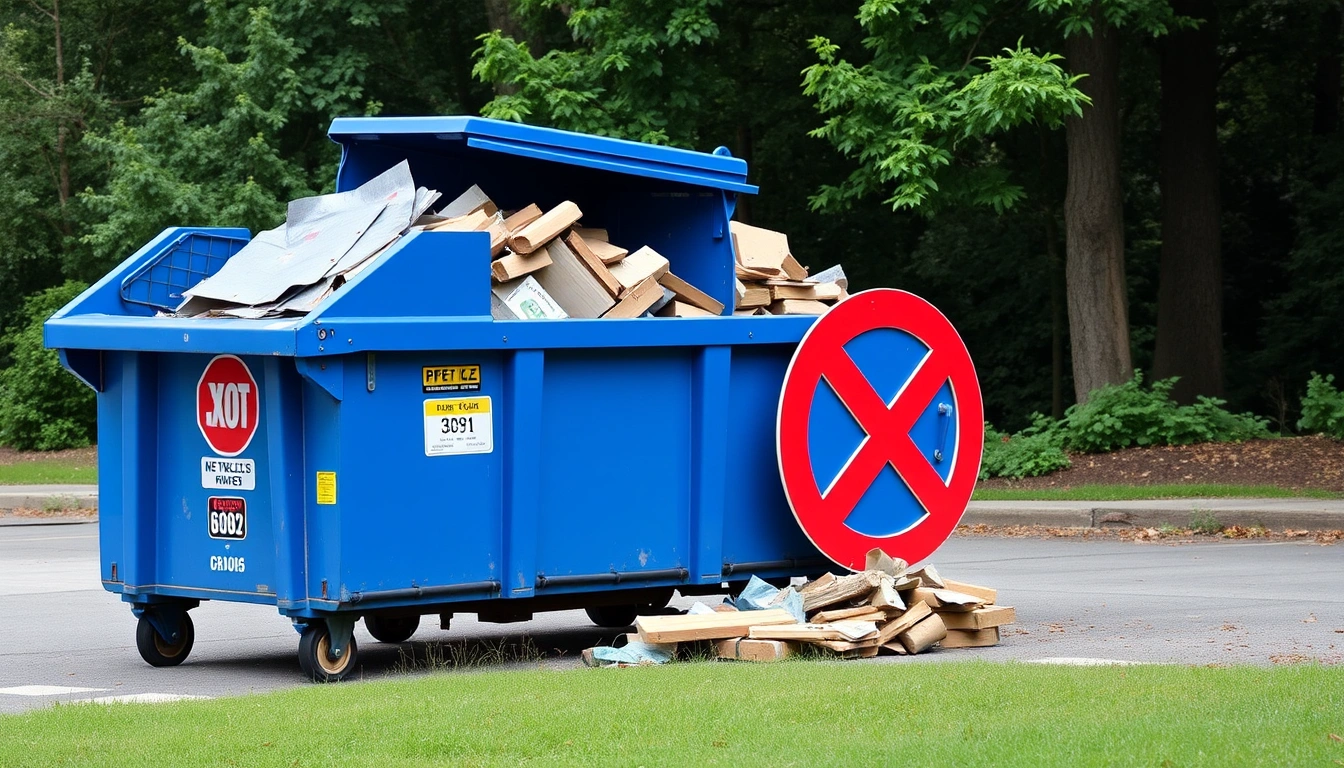
Can I throw old paint cans and tires in my rented dumpster in Rome GA?
No, not if the paint is liquid or the tires are whole. Those two items are the most common “I thought it would be fine” mistakes in Rome GA, and they are exactly the kind of prohibited dumpster items that get a load flagged.
Old paint cans are only borderline acceptable when they are completely empty and fully dry. Tires are usually a separate disposal item because most dumpster contracts exclude them outright or charge a special fee. If you are comparing options, the cleanest path is to handle those items before the dumpster comes, not after the load is already half full.
That is where tire disposal Georgia rules get practical. A tire thrown loose into a roll-off can cost you more in rejection fees than the tire’s actual disposal fee would have cost at a recycler. In a couple of cleanouts I reviewed locally, the extra handling bill was bigger than the original dumpster surcharge would have been.
A single five-gallon bucket of liquid paint can ruin an otherwise clean dumpster load because one leak can contaminate the whole mixed debris pile.
What to do with paint instead
For paint disposal Rome, start by separating latex from oil-based paint. Latex paint can sometimes be dried with cat litter, absorbent, or a hardener, but oil-based paint is a different animal and usually needs hazardous waste handling.
If you only have a few cans, drying them out takes less time than a return trip. For larger cleanouts, label the cans, keep the lids off, and stage them away from the dumpster so nobody tosses them in by mistake.
Why hazardous waste rules are the line you should not cross
Hazardous waste is the category that most clearly should not go in a dumpster in Georgia. If a material is toxic, corrosive, reactive, or ignitable, the safest answer is no.
That includes solvents, pesticides, pool chemicals, gasoline, brake fluid, aerosol cans under pressure, and some cleaning products. Georgia EPD treats these materials seriously because they can harm workers, contaminate runoff, and create disposal liability long after pickup.
The legal downside is not theoretical. Georgia enforcement authority can reach civil penalties of up to $25,000 per day per violation in hazardous waste cases, depending on the facts and the agency action. Most homeowners will never see anything near that number, but the size of the penalty is the point: the state does not treat casual dumping like a small mistake.
That is also why electronics are a separate issue. Old televisions, printers, and desktop computers are often refused in standard dumpsters because of circuit boards, screens, and internal components that need different handling. The same goes for batteries, which can ignite if crushed.
If you want the local rule set in one place, review what can you put in a dumpster Rome GA before filling the bin. The list is shorter than people expect, but the consequences for getting it wrong are bigger than they look.
The honest side-by-side
Keeping banned items out of the dumpster wins for almost every homeowner. Hauling them to the wrong place costs more time, more labor, and usually more money than sorting them upfront.
The trade-off is convenience. A dumpster is easy because everything disappears at once. A legal disposal plan is a little more annoying because it can require one extra stop for tires, one for electronics, and one for paint or chemicals. Still, the extra stop is cheaper than a rejected load.
| Criteria | Dump it all | Sort banned items first | Winner for this condition |
|---|---|---|---|
| Upfront effort | Fastest today | Takes 15-45 minutes | Dump it all, if no banned items exist |
| Risk of refusal | High with mixed debris | Low | Sort banned items first |
| Cost control | Unpredictable | More predictable | Sort banned items first |
| Works for paint disposal Rome | Usually no for liquid paint | Yes, if dried or handled separately | Sort banned items first |
| Works for tire disposal Georgia | Usually no | Yes, through a recycler or special drop-off | Sort banned items first |
| Legal exposure | Higher | Lower | Sort banned items first |
| Best for large cleanouts | Only if debris is clean | Yes | Sort banned items first |
| Driver acceptance | Uncertain | Much better | Sort banned items first |
One practical detail that gets missed: electronics are often easier to separate than people think. A printer, a monitor, and a box of cords take 10 minutes to sort and can save a full dumpster from being flagged by the landfill or the driver.
If your dumpster will sit near traffic, the logistics matter too. Local placement rules can change your whole plan, so check dumpster street rules before you leave a bin on a public right-of-way.
Where do I dispose of items that aren’t allowed in a dumpster in Floyd County?
You usually need separate drop-off paths for hazardous waste, tires, and electronics in Floyd County. The answer is not one magical address; it is a small decision tree based on what the item is.
Start with the Floyd County landfill for ordinary debris questions, but do not assume it will take banned items. For household hazardous waste, call ahead and confirm acceptance windows, because those programs often operate on limited schedules. For tires and electronics, use the county or regional recycler route rather than the dumpster.
That is the part most top-ranking pages skip: they tell you what is banned, but not where the item actually goes next. In real life, the next stop matters more than the rule itself because the item is still taking up space in your garage.
For most homeowners in Floyd County, the best disposal plan is three buckets: hazardous waste, tires, and electronics.
If you only need one framework, use this: solid debris goes in the dumpster, liquids and chemicals do not, tires usually go to a recycler, and electronics usually go to an e-waste site. Georgia EPD guidance supports that practical split, and it keeps you from paying twice for the same load.
The local site count is not fixed in the sense of one universal public list, but there are commonly at least 3 distinct drop-off paths you will need in the Rome area: household hazardous waste handling, tire disposal, and electronics recycling. That is the real answer to where do I dispose of items that aren’t allowed in a dumpster in Floyd County?
When the normal rule changes
The rule flips only in a few narrow situations. If the item is completely dry, completely empty, or fully dismantled, a hauler may accept it even though the original item type was restricted.
Four cases where the answer changes
- Latex paint that has fully hardened in the can may be acceptable where liquid paint is not.
- A metal appliance with the refrigerant removed by a certified technician may be accepted when the intact appliance would be refused.
- Small quantities of batteries may be accepted only in a separate battery recycle stream, not a mixed debris dumpster.
- Construction debris that only looks unusual, such as old tarpaper or cured adhesive, may be allowed if it is no longer a liquid or chemical hazard.
The mistake I made years ago was assuming “dry enough” meant “good enough.” It does not. One half-dry paint tray still leaked in the truck bed on a hot July day, and that was the day I learned that landfill rules care about the state of the material, not the owner’s intention.
That lesson is useful in 2026 because more haulers are strict before pickup, not after. They would rather refuse a questionable item than absorb the risk of a contaminated load.
Our verdict: which path to choose
Choose the dumpster for ordinary household junk, clean construction debris, and dry nonhazardous waste. Choose separate disposal for paint, tires, electronics, batteries, fuels, and anything that can leak or ignite.
Choose the sorting-first approach if your load contains even two questionable categories. Choose the “dump it all” approach only if you have already confirmed the load is clean. Neither if you are dealing with gasoline, pesticides, asbestos, or unknown chemicals; those need a dedicated hazardous waste path.
If you are renting locally, a quick pre-check with the hauler is worth more than a guess. I’d rather spend five minutes sorting than spend an afternoon arguing over a rejected load. That is especially true if you are comparing put dumpster rome rules with landfill rules and trying to make the two match.
Common Questions About what can you not put in a dumpster in Georgia
What items are prohibited in a dumpster rental in Georgia?
The most common prohibited dumpster items are hazardous waste, tires, liquid paint, batteries, electronics, appliances with refrigerants, and flammable liquids. Many haulers also refuse propane cylinders, motor oil, and unknown chemicals. Always check the contract before loading, because a landfill can reject items even if a driver missed them.
How do I dispose of paint and chemicals not allowed in a dumpster in Rome GA?
Separate latex paint from oil-based paint first. Latex paint can sometimes be dried with absorbent material, while chemicals and oil-based paint usually need a hazardous waste program. Keep lids on, label the containers, and call ahead before driving to any site in Rome GA.
Can you put tires in a dumpster vs taking them to a recycler?
In most Georgia dumpster rentals, tires should not go in the dumpster. A recycler or tire dealer is usually the cleaner option because tires are bulky, can trap air, and often trigger extra fees. If you have more than a few tires, sort them before the dumpster arrives.
Why did my dumpster company refuse to haul certain items?
The company likely saw a banned item category in the load or at the landfill scalehouse. Drivers refuse loads to avoid contamination, fire risk, and surcharge exposure. A single bad item, such as liquid paint or a battery, can trigger the refusal even if the rest of the dumpster is acceptable.
How much is the fine for putting hazardous waste in a dumpster?
Georgia hazardous waste enforcement can reach civil penalties of up to $25,000 per day per violation, depending on the case and the agency response. Most homeowners will not face that maximum, but the risk is real enough that hazardous waste should never go into a standard dumpster.
Are electronics allowed in a Georgia roll-off dumpster?
Usually no. Electronics such as TVs, printers, and computers often need separate recycling because of screens, boards, and internal components. If you have a small number of items, set them aside and use an e-waste drop-off instead of mixing them into construction debris.
The Bottom Line
My rule for what can you not put in a dumpster in Georgia is blunt: keep out anything that can leak, burn, vent gas, or trigger a landfill restriction. That means hazardous waste, tires, paint in liquid form, batteries, electronics, and refrigerant-bearing appliances stay out of the bin. Pick one thing from this article and try it this week: sort the questionable items before the dumpster arrives.
If you want the broader local context for weight limits, overages, and acceptable debris, start with What Can & Can’t Go in a Dumpster in Rome, GA — Waste Types, Weight Limits & Overage Costs. The right plan is usually not more effort. It is the right three-minute decision made before the truck shows up.
- Most Georgia dumpster problems come from seven banned categories, not from ordinary household debris.
- Liquid paint, tires, batteries, and hazardous waste are the items most likely to trigger refusal or extra fees.
- Rome and Floyd County usually require separate disposal paths for hazardous waste, tires, and electronics.
- Sorting questionable items before pickup is cheaper than paying for a rejected load.
See also: what can you put in a dumpster Rome GA
See also: dumpster on street rules Georgia
See also: dumpster rental Rome GA
Related: dumpster overage charges explained
Related: dumpster waste disposal statistics Georgia
Related: mixed construction debris dumpster