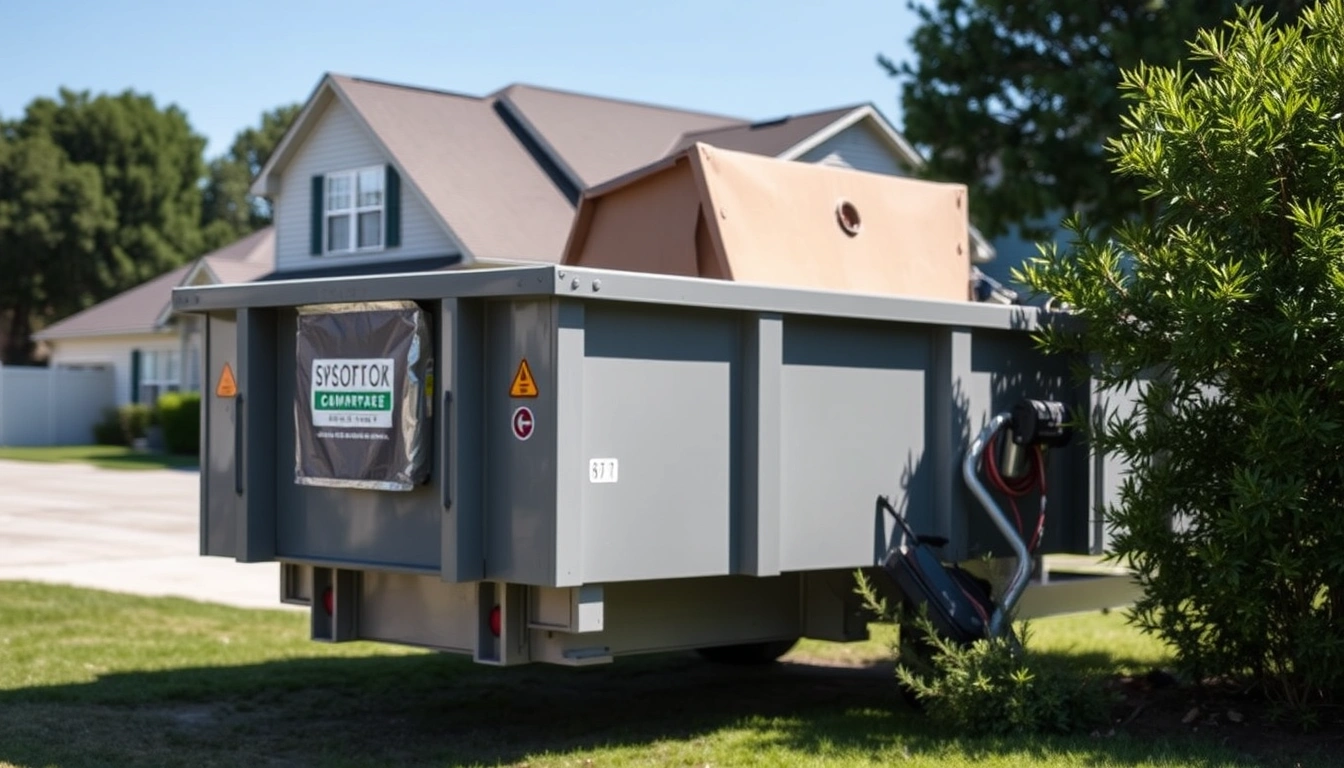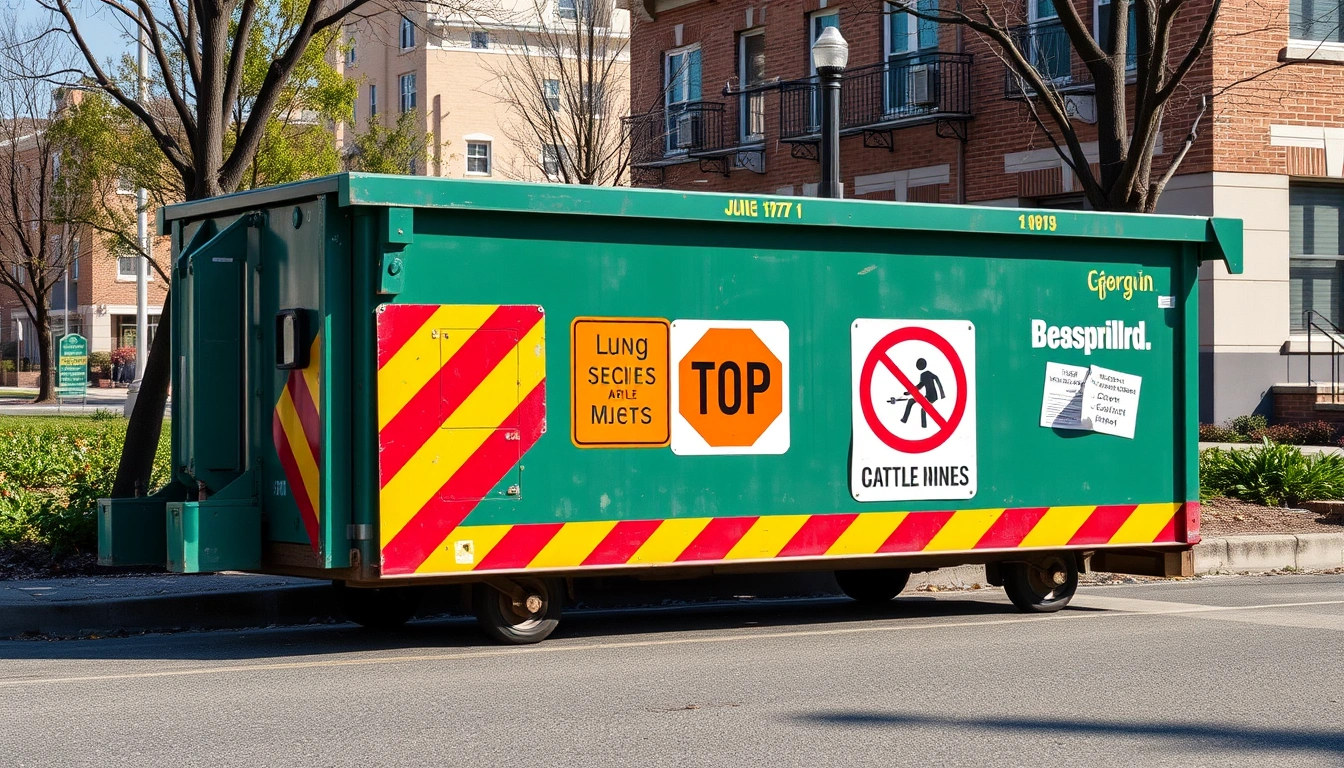
dumpster on street rules Georgia: 2026 street placement, markers, limits
⏱️ 8 min read · Last updated: 2026
- Typical street permit windows in Georgia are commonly 7 to 30 days, but the exact dumpster street time limit depends on the local right-of-way permit.
- Reflective marker requirement: use high-visibility retroreflective tape or cones on the street-facing corners; many local setups expect markers on all exposed sides that face traffic.
- Intersection clearance: a safe planning number is at least 20 feet from an intersection or curb cut, unless the local permit says otherwise.
- Traffic clearance: keep the dumpster fully out of the travel lane and maintain enough width for vehicles, bikes, and emergency access.
- Rome GA placements may require a permit even when the dumpster sits partly in the right-of-way, not just when it blocks a full lane.
A neighbor once thought a dumpster could sit “just off the curb” for a week with no paperwork. Two days later, the warning notice arrived because the container sat inside the right-of-way and had no reflective markers after dark. That is the real shape of dumpster on street rules Georgia in 2026: the rule is not only where the box sits, but whether drivers can see it, pass it, and whether the city knows it is there.
The trade-off is annoying but manageable. Street placement buys space when the driveway is packed or the project produces too much debris for the yard, but it also adds permit checks, marker requirements, and tighter timing. I have watched the cheapest option turn expensive fast when a container blocked traffic clearance and had to be moved the same morning.
The real difference between street placement and driveway placement
Street placement wins when the dumpster cannot fit on private property without damaging pavement, landscaping, or access. Driveway placement wins when you want fewer permits, fewer markings, and less risk of a traffic citation. That is the blunt answer, and it holds up in Rome GA.
The real difference is jurisdiction. Once part of the container enters the right-of-way, the city or county can treat it as a traffic object, not just a rental bin. That changes the approval process, the reflective markers requirement, and the standard for traffic clearance.
I have seen homeowners assume “near the curb” means “on my property.” It usually does not. The edge of the paved road, the sidewalk, and the ditch line can all create a right-of-way issue even when the dumpster never touches the travel lane.
A street dumpster is not judged by what it holds; it is judged by where it sits, how visible it is, and whether it preserves traffic clearance.
What changes the risk level
Three things change the risk level fastest: the street width, nearby intersections, and how long the dumpster stays out. A narrow residential street in Rome GA leaves far less forgiveness than a wide arterial road with shoulders.
The other hidden factor is pickup timing. If a hauler cannot remove the dumpster on schedule, the street dumpster time limit becomes your problem, not theirs. That is why permit windows matter as much as the rental price.
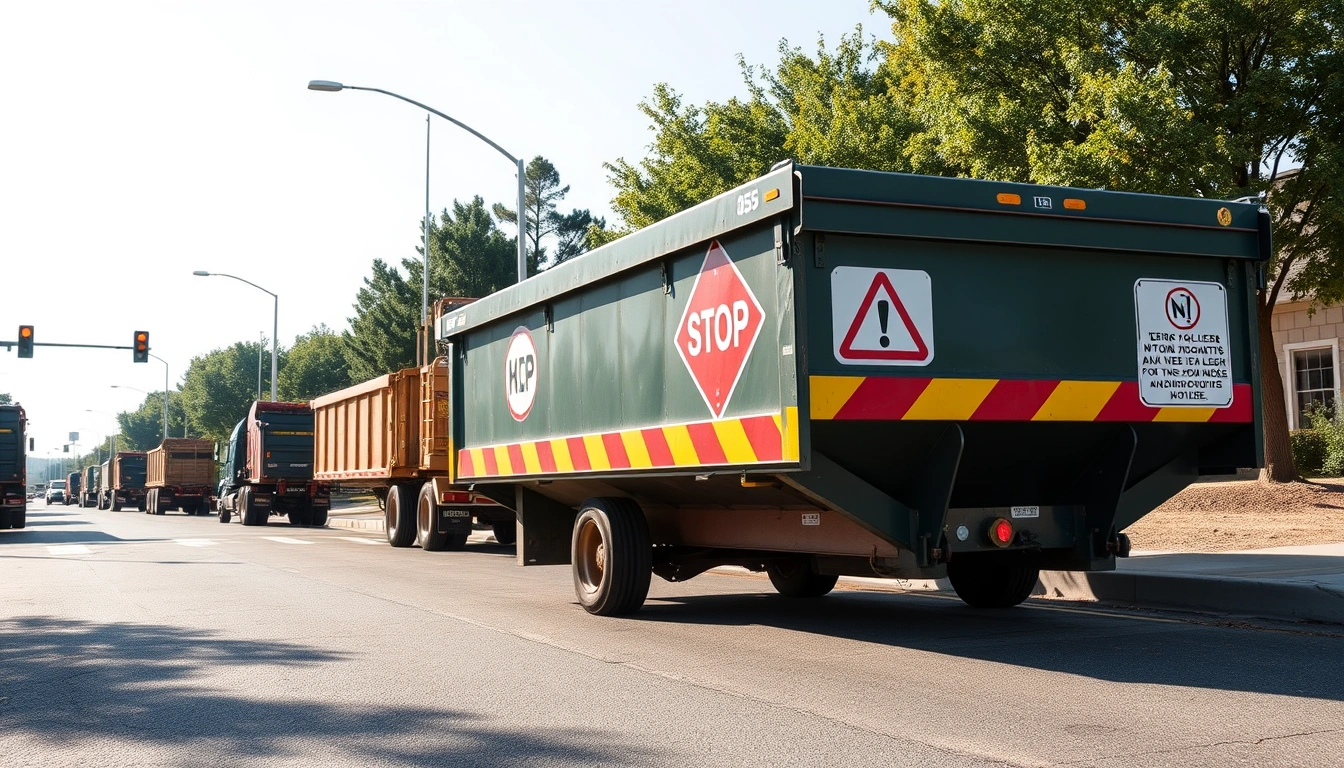
Street dumpster placement: who should actually use it
Street dumpster placement is the right call for customers who have no safe driveway space, limited lot access, or a narrow driveway that would get crushed by a loaded container. It also makes sense when a project is short, scheduled, and tightly supervised.
In practical terms, this option fits roof tear-offs, garage cleanouts, and small remodels where the dumpster will be loaded fast and removed quickly. If you are working with a dumpster rental Rome GA provider, ask whether the container will ever cross into the right-of-way before you book.
The strengths are real. You avoid cracking a driveway, you protect ornamental landscaping, and you may keep the work zone closer to the debris source. The weakness is that you inherit permit risk, visibility rules, and more ways for the city to say no.
For most short projects, street placement is worth it only when driveway placement would cause more damage than the permit and marking hassle.
If you need a permit decision fast, the local permit pages matter more than generic advice. I use the Rome-specific permit references first, including dumpster permit Rome GA and the related do I need a permit for a dumpster in Rome GA page, because they are closer to the real enforcement questions than broad state summaries.
Who should avoid street placement
You should avoid street placement if your street is narrow, your driveway can hold the container, or your project will drag past a week without firm pickup timing. It is also a poor fit when trucks, school traffic, or mail delivery already crowd the block.
One practical mistake I have seen: booking street placement for a “maybe two-day” project that becomes a two-week project. The permit expired, the container stayed out, and the cost of extending the permit erased the original savings.
The specific situations where driveway placement wins
Driveway placement wins when you can physically support the container and keep truck access clear. It is the safer default for most homeowners in Rome GA because it avoids the traffic-side issues that come with the right-of-way.
This option also wins when you want fewer moving parts. No reflective markers, no curbside visibility check, and far less chance of a city inspector asking why the container sits too close to an intersection. If your driveway is strong enough, this is usually the cleanest answer.
The downside is damage risk. Heavy containers can crack older concrete, mark asphalt in hot weather, or block cars from leaving. For some homes, the driveway is not really an option; it is just the least bad one.
If price is driving the decision, compare the total cost, not just the line item. A street setup may look cheap until you add the permit, markers, and a relocation fee. For current pricing context, a local dumpster rental rome page is more useful than guessing from national averages.

The honest side-by-side
Street placement is better for space problems. Driveway placement is better for rule simplicity. That is the real comparison, and it should drive the choice more than price alone.
| Criteria | Street placement | Driveway placement | Winner for this condition |
|---|---|---|---|
| Permit complexity | Usually higher | Usually lower | Driveway for low-friction projects |
| Reflective marker requirement | Often required | Usually not needed | Driveway for simplicity |
| Traffic clearance | Must be actively protected | Usually not a traffic issue | Driveway for safety margin |
| Risk of surface damage | Lower for private pavement | Higher for driveways and asphalt | Street for fragile driveways |
| Space constraints | Better when the lot is tight | Better when the driveway is open | Street for small lots |
| Inspection exposure | Higher | Lower | Driveway for less oversight |
| Street dumpster time limit | Tighter enforcement risk | Usually less relevant | Driveway for longer projects |
| Placement near intersection | More sensitive | Less sensitive | Driveway near busy corners |
The quote-worthy version is this: if the dumpster touches the street side of the project, the rules stop being about convenience and start being about access. That is why street dumpster placement usually costs more in time, not just money.
The best street setup is invisible to traffic from a distance and obvious to the driver only when they are already stopped.
Our verdict: which one to choose and why
Choose driveway placement if the container fits safely and the surface can handle the weight. Choose street placement if the driveway is too small, too weak, or blocked, and you can keep a permit, markers, and traffic clearance under control. Neither if the dumpster would sit near a blind corner, an intersection, or a lane that already runs tight.
For Rome GA, I would default to driveway placement first and street placement second. That order saves hassle in most cases and avoids the most common enforcement problems tied to the right-of-way. If street placement is necessary, treat the permit and markings as part of the rental, not as optional extras.
One honest lesson: the cheapest plan is not always the cheapest outcome. I have watched a low-cost street setup turn into a same-week relocation charge because the container sat too close to traffic and missed the visible marking standard after dark.
When to reconsider this choice entirely
You should reconsider both options when the project will last longer than the permit window, when the road is too narrow for safe traffic clearance, or when the site sits close to a blind intersection. In those cases, a smaller dumpster, a swap-out schedule, or an off-street staging plan is usually smarter.
There are also three flip scenarios where the overall verdict changes. First, if your driveway is historic, fragile, or already cracked, street placement may be the safer structural choice. Second, if the street has heavy parked-car traffic, driveway placement may be less disruptive. Third, if your hauler cannot guarantee the delivery and pickup window, neither option works well without a backup plan.
This is where the local rules matter most. In Georgia, many municipalities want the dumpster positioned so it does not interfere with vehicles, pedestrians, or emergency access, and Rome GA is no exception when the container enters the right-of-way. If you are unsure, verify with the local permit office before delivery day.
How far from an intersection can a dumpster sit?
How far from an intersection can a dumpster sit? A practical planning standard is at least 20 feet from an intersection, curb cut, or corner sightline unless the local permit says otherwise. Some locations want more clearance, especially on narrow streets or near driveways.
That number is a planning floor, not a guarantee. The final answer depends on the local enforcement office, the road width, and whether the dumpster blocks turning movement or sight distance.
If a dumpster forces drivers to slow, swerve, or guess, it is too close, even if it looks technically placed.
What are the rules for putting a dumpster on the street in Georgia?
What are the rules for putting a dumpster on the street in Georgia? You usually need local approval, the dumpster must stay out of the travel lane, and visible reflective markers are often expected when the container sits in or near the right-of-way. The exact dumpster street time limit depends on the city or county permit.
In practice, the safest approach is to treat street placement like a temporary traffic object. That means clear markings, clear access, and a pickup plan that fits the permit window instead of stretching past it.
Do I need reflective markers on a street dumpster?
Do I need reflective markers on a street dumpster? In most street-placed setups, yes, because nighttime visibility is part of the safety expectation. The reflective marker requirement usually means bright retroreflective tape or markers on the street-facing corners and any side a driver could approach.
Cones help, but they do not replace visible marking on the dumpster itself when the container stays out overnight. If your rental company does not mention markers, ask before delivery. This is one of the fastest details to get wrong.
Common questions about dumpster on street rules Georgia
What are the legal rules for a street-placed dumpster?
A street-placed dumpster usually needs local approval, must avoid blocking the travel lane, and should remain visible with reflective markers if it sits near traffic. In Georgia, the local permit and right-of-way rules control the details, so the city or county office is the final authority.
How do I safely mark a dumpster on the street?
Use high-visibility retroreflective tape or approved reflective markers on the street-facing corners, and add cones if the placement is tight. Markers should be visible at night from a driver’s approach, not just from the sidewalk. If the dumpster stays overnight, check that the markings still reflect clearly after dark.
Street vs driveway placement — which has more rules?
Street placement has more rules because it can affect traffic, pedestrians, and the right-of-way. Driveway placement usually has fewer permit issues, but it can still create surface damage or access problems. If you want the simpler route, driveway placement usually wins.
Why might the city remove my street dumpster?
The city may remove a street dumpster if it blocks traffic clearance, sits too close to an intersection, lacks proper marking, or stays out beyond the permit period. Removal usually happens after a warning, but not always. If the container is creating a hazard, officials can act fast.
How much is a fine for improper street dumpster placement?
Fines vary by city and county, so there is no single Georgia-wide amount. The real cost is often higher than the citation because you may also pay relocation, permit extension, or reinspection fees. In Rome GA, the smartest move is to confirm the permit rules before delivery day.
How far from an intersection can a dumpster sit?
A practical planning number is at least 20 feet from an intersection or corner sightline, but the local permit can require more. The safer test is whether a driver can see around it and turn without crossing into the wrong lane. If not, move it back.
- Street placement is a right-of-way issue first and a rental issue second.
- Reflective markers matter when the dumpster sits near traffic, especially overnight.
- Plan for at least 20 feet from an intersection unless local rules say otherwise.
- Driveway placement is usually simpler; street placement is for tight sites, not convenience.
The bottom line
For dumpster on street rules Georgia, the safest move in 2026 is to treat street placement as a permitted traffic setup, not a casual curbside drop. If you can keep the dumpster on private property, do that first. If you cannot, get the permit details, add reflective markers, and protect traffic clearance before the truck arrives.
Pick one thing from this article and try it this week: measure your spot, check the corner distance, or confirm your permit window before booking. Then compare your plan against the local rules in the Dumpster Permits & Placement Rules in Rome and Floyd County, GA pillar.
See also: dumpster permit Rome GA
See also: do I need a permit for a dumpster in Rome GA
See also: dumpster rental Rome GA
Related: dumpster rental for property managers
Related: flip cleanout dumpster
Related: jobsite dumpster delivery