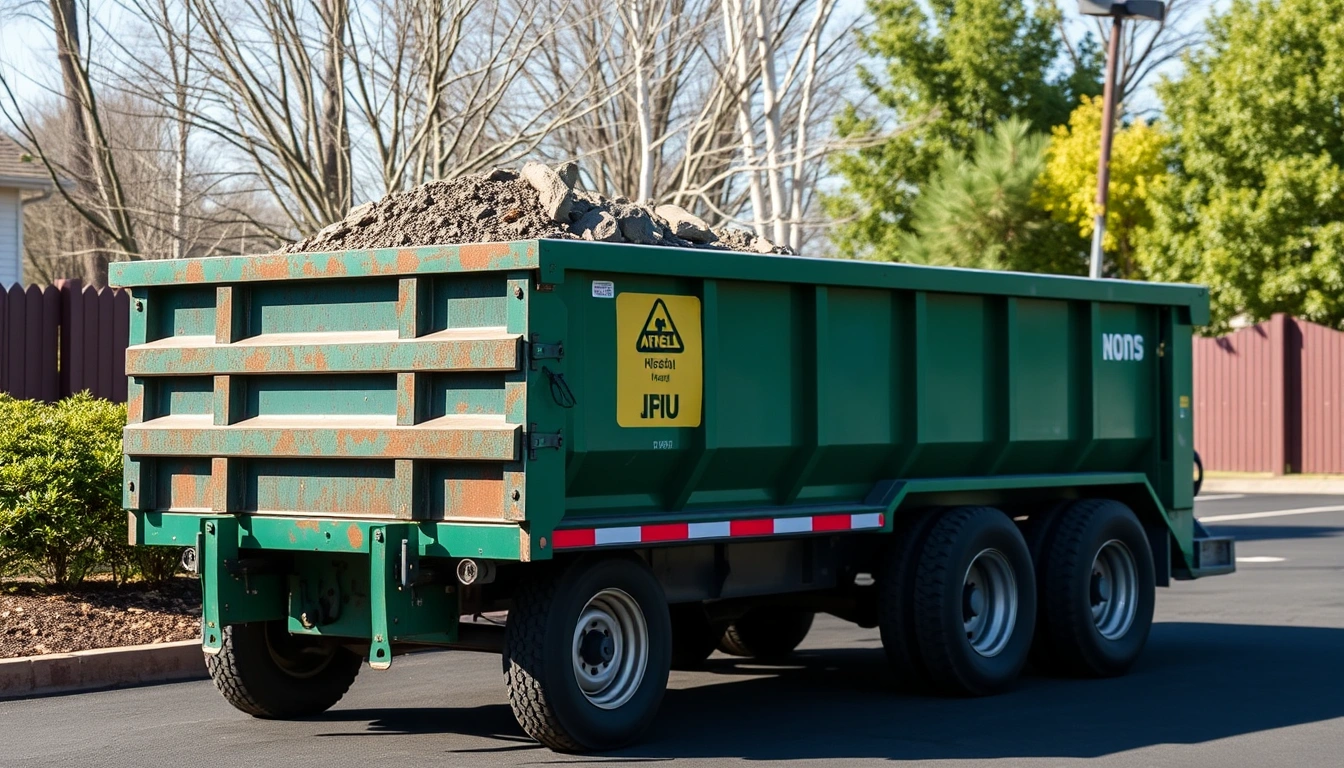
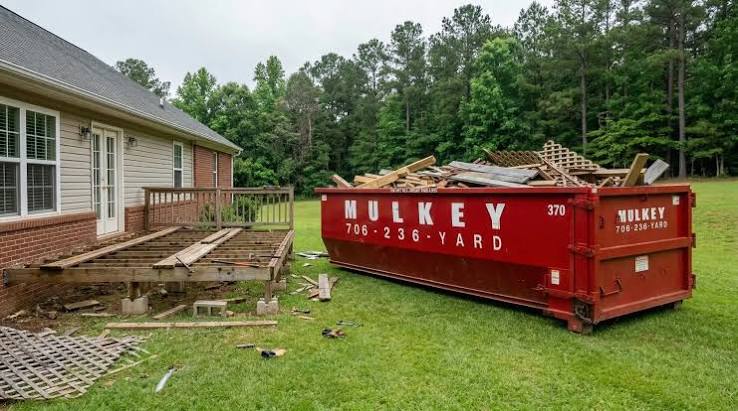
mixed construction debris dumpster: the cheapest way to split heavy loads
⏱️ 9 min read · Last updated: 2026
- A typical C&D dumpster size for renovations is 20 to 30 cubic yards; 20-yard and 30-yard roll off dumpster sizes are the most common sweet spots for mixed construction debris.
- Mixed debris weight often lands around 2 to 4 tons per load when the debris is mostly wood, drywall, and packaging; concrete-heavy loads can exceed that fast.
- Separating concrete from mixed construction debris can save an estimated 20% to 40% on disposal in many jobs because heavy material eats capacity by weight before it fills the box by volume.
- Drywall disposal is usually cheaper when it stays clean and separate from wet debris, mud, or insulation.
- Most mixed construction debris dumpster bills change fast once the included tonnage is exceeded, so the cheapest option is often the one with the better weight allowance, not the lower base price.
My first test with a mixed construction debris dumpster taught me a blunt lesson: volume is the easy part, weight is the trap. A half-full box of broken concrete can cost more than a full box of studs, drywall, and trim.
That matters in Rome and the rest of Floyd County because renovation loads are rarely clean. A kitchen gut can look light until tile, mortar, plaster, and a few old countertops show up in the pile. When I priced a demo load with one local contractor, the cheaper base rate lost the moment the tonnage cap was crossed by even a little.
For waste definitions and local dumping rules, I keep the county-specific pages handy, including what can you put in a dumpster Rome GA and what can you not put in a dumpster in Georgia.
What actually determines the right answer here
If your load is mostly light materials, a mixed construction debris dumpster is usually the simplest and cheapest path. If your load includes concrete, brick, block, or dirt, the answer flips quickly because those materials drive up mixed debris weight long before the box looks full.
The decision comes down to three things: estimated weight, dumpster size, and whether the heavy material is clean enough to separate. A 20-yard C&D dumpster often works for a small bath or kitchen demo, while a 30-yard roll off dumpster is more forgiving for framing, roofing, or larger interior gut jobs.
EPA guidance on construction and demolition debris also makes the same basic point: different material streams behave differently, and mixed loads are harder to manage efficiently. That is why the best-looking quote is not always the best real-world price. You can check broader local trends on dumpster waste disposal statistics Georgia.
A mixed construction debris dumpster is cheapest when the load is mostly low-density material; once heavy concrete enters the mix, the bill usually follows the weight, not the empty space.
What I look at first
I start with one question: can the heavy stuff be separated in under 30 minutes? If yes, I separate it. If no, I keep the load mixed and make the dumpster choice based on the expected tonnage cap, not just the cubic-yard size.
Quick check: if your pile is mostly wood and drywall, stay with a mixed construction debris dumpster; if concrete is a major slice of the load, split it out first.

Should I separate concrete from mixed construction debris to save on dumpster costs in Rome GA?
Yes, in most cases you should separate concrete from mixed construction debris if you have enough of it to matter. Concrete is dense, and dense material burns through tonnage allowance far faster than volume allowance.
Here is the practical rule I use: if concrete, brick, or block is more than about 10% to 15% of the dumpster by volume, it is worth asking for a second container or a separate disposal plan. That threshold is not magic, but it is a useful line for budgeting. A clean concrete pile can often be routed differently than a mixed construction debris dumpster load, which reduces risk of overage.
The savings estimate is simple, not fancy. If separating concrete keeps you under the included tonnage, the disposal savings are commonly 20% to 40% on the whole job, depending on rental length, haul fee, and local tipping structure. That estimate is based on avoiding overage, not on a universal price cut.
- Pull concrete, brick, and block into a separate pile as soon as demolition starts.
- Keep clean wood, drywall, and metal in the mixed construction debris dumpster pile.
- Estimate weight in buckets or wheelbarrows, not by eye.
- Ask the rental company what the included tonnage is before the box lands.
- Compare the cost of one larger mixed load versus one mixed load plus one small heavy-material option.
For a quick pricing sense, compare your load against dumpster overage charges explained. Overage is where the “cheap” dumpster turns expensive.
Quick check: if your renovation includes tile, slab pieces, footer chunks, or masonry, separate them unless the amount is tiny.
Can I mix drywall, wood, and metal in one demolition dumpster in Floyd County?
Yes, you usually can mix drywall, wood, and metal in one demolition debris dumpster in Floyd County as long as the load stays within the hauler’s rules and weight limit. That mix is normal for interior demolition and small remodels.
The catch is that drywall disposal gets messy fast. Wet drywall, insulation, and food waste contamination can change how the load is handled. Clean drywall, dimensional lumber, trim, and light metal are all common components of C&D waste, but they behave differently once they get wet or crushed.
In practice, I would keep these together if the job is small and the dumpster is not near capacity. For a kitchen or bathroom gut, one mixed construction debris dumpster is often the right tool. For a full-house demo, I would split out metal, concrete, and especially clean drywall if the project lasts more than a few days.
EPA and local disposal rules matter here because some sites reject contaminated drywall or require special handling for certain mixed loads. If you are not sure about a material, verify it against what can you not put in a dumpster in Georgia before it hits the bin.
| Situation | Best Path | Why Other Options Fail |
|---|---|---|
| Kitchen gut with studs, drywall, trim | One mixed construction debris dumpster | Two dumpsters add cost without reducing enough weight |
| Interior demo with lots of tile and mortar | Separate heavy material first | Tile and mortar can push mixed debris weight over the cap |
| Framing removal plus a few metal fixtures | Mix drywall, wood, and metal | Sorting metal alone is often not worth the time |
| Full basement demo with concrete floor chunks | Use a separate heavy-material container | Concrete changes the pricing math immediately |
One useful benchmark: if the job takes more than two days and the dumpster is filling in layers, the odds of hidden heavy material go up. That is when a quick cleanup pass pays off.
Quick check: if your demolition debris dumpster load is mostly clean interior material, mixing wood, drywall, and metal is usually fine.

A simple workflow that keeps the bill from jumping
If you want the cheapest practical setup, use a three-step workflow: estimate weight, separate heavy material, then choose the dumpster size. That order matters because size alone does not tell you whether the load is affordable.
Here is the process I would use on a real remodel day in 2026.
- Walk the job and identify every heavy item: concrete, brick, block, dirt, plaster, tile, tubs, and roof tear-off.
- Estimate how many 5-gallon buckets each heavy item will fill; one bucket of concrete can weigh roughly 60 to 70 pounds depending on size and moisture.
- Decide whether the heavy pile is small enough to split into bags or a separate container.
- Choose a 20-yard or 30-yard roll off dumpster based on the volume of the remaining mixed load.
- Ask for the included tonnage in writing and confirm the overage rate before delivery.
That last step matters more than most people think. A base price that looks lower by $75 can become more expensive if the included weight is one ton lower than the competitor’s. That is why C&D waste quotes should be compared on both price and included tonnage, not price alone.
The best mixed construction debris dumpster quote is usually the one with enough included weight to cover the job, even if the sticker price is slightly higher.
Quick check: if you can estimate the heavy material in buckets and not just in piles, you are ready to choose the right dumpster size.
When the standard advice breaks down
The usual “just rent one big dumpster” advice breaks down fast in a few specific situations. These are the jobs where the mixed construction debris dumpster plan needs adjustments.
1. You are demolishing a bathroom with cast iron and tile
The load looks small, but cast iron tubs, tile, and mortar are brutally heavy. Separate the tub and tile if possible, because they can eat a large chunk of your tonnage allowance before the box is even half full.
2. You have wet drywall after a leak or storm
Wet drywall is heavier and can be treated differently than clean drywall. If the material has soaked up water, treat it as contaminated until your hauler says otherwise. Drywall disposal works best when the board stays dry and separated.
3. The remodel is spread over several weekends
Long jobs collect surprise weight: broken shelves, old cabinets, packaging, and “temporary” piles that never stay temporary. In this case, plan for an earlier pickup or a second container before the first one gets overloaded.
4. You are tearing off roofing plus interior debris
Roofing shingles and interior construction debris do not always belong in the same plan. Shingles are heavy, and mixing them with drywall and wood can push you past the included limit quickly.
5. The site has a tight driveway or alley
Space constraints can make one large dumpster better than two, even if splitting materials would save a little money. In that case, use the bigger mixed construction debris dumpster and be disciplined about separating the heaviest items into smaller legal loads.
My own mistake on an older garage demo was simple: I let a neat pile of concrete “wait for later.” Later became the last hour of the job, and that concrete blew the load by almost a ton. That one mistake taught me to separate heavy material on day one, not day three.
Quick check: if your job includes wet material, cast iron, roofing, or a long schedule, the standard mixed-load advice needs a custom plan.
One mixed dumpster vs two separated dumpsters — which is cheaper?
One mixed dumpster is cheaper when the load is mostly light material and the heavy debris is small enough to ignore. Two separated dumpsters become cheaper when the heavy material would otherwise push the mixed debris weight past the included tonnage.
That is the real decision tree. Not “more sorting is always better.” Sorting only saves money when the heavy stream is large enough to matter.
| Situation | Best Path | Why Other Options Fail |
|---|---|---|
| Small kitchen or bath gut | One mixed construction debris dumpster | Two containers raise total rental cost more than they reduce weight risk |
| Large demo with concrete or brick | Separate heavy material plus mixed load | One box usually hits tonnage limits before the job is done |
| Mostly wood framing with a little metal | One mixed load | Sorting metal does not usually save enough to justify a second dumpster |
| Basement slab removal plus framing | Two loads or phased pickup | Concrete changes the economics immediately |
For broad regional pricing context, the state-level patterns on dumpster waste disposal statistics Georgia show the same basic trend: heavy construction debris is more expensive to move than light renovation debris.
If a separate concrete dumpster keeps your mixed load under the included tonnage, the split is often cheaper by 20% to 40% on the full job.
Quick check: if your second dumpster only removes light savings, skip it; if it removes concrete or masonry from the main load, do it.
- A mixed construction debris dumpster works best for wood, drywall, trim, and light demolition waste.
- Concrete, brick, block, and tile are the materials most likely to trigger overage charges.
- Separating heavy material first can save an estimated 20% to 40% when it keeps you under the included tonnage.
- The best quote is the one with the right tonnage allowance, not just the lowest base rate.
Common Questions About mixed construction debris dumpster
What can I put in a construction debris dumpster in Rome GA?
You can usually put wood, drywall, roofing shingles, cabinets, trim, and other common construction debris in a construction debris dumpster in Rome GA. Heavy items like concrete and brick are often allowed too, but they should be separated if weight is a concern. Always confirm the local rule set before pickup.
How do I sort demolition waste to lower my dumpster cost?
Sort out concrete, brick, block, dirt, tile, and wet drywall first. Those materials are the fastest way to raise mixed debris weight. Keep clean wood, drywall, and light metal together, then compare one mixed load against a separate heavy-material plan before you order the dumpster.
One mixed dumpster vs two separated dumpsters — which is cheaper?
One mixed dumpster is cheaper for small interior remodels with mostly wood and drywall. Two separated dumpsters usually win when concrete or masonry makes up a meaningful share of the load, because the heavy material can push you over the included tonnage on the main dumpster.
Why did my mixed C&D dumpster cost more than expected?
The usual reason is tonnage overage. Mixed C&D waste looks light in the box, but tile, concrete, plaster, and wet drywall add weight fast. If your bill jumped, check the included tonnage, the overage rate, and whether a heavy-material pile should have been separated from the start.
How much does a construction debris dumpster cost in Floyd County?
Costs vary by dumpster size, included tonnage, and rental length, but the biggest swing usually comes from weight. A 20-yard or 30-yard roll off dumpster may look similar at checkout, yet the final price can change a lot if your debris includes concrete, masonry, or other heavy demolition waste.
Can I mix drywall, wood, and metal in one demolition dumpster in Floyd County?
Yes, drywall, wood, and light metal can usually go in one demolition debris dumpster if the materials are clean and the load stays within the rental rules. That mix is common for interior tear-outs. Keep wet drywall, concrete, and banned items out unless your hauler specifically allows them.
The Bottom Line
A mixed construction debris dumpster is the right default for most small and mid-size remodels in Rome GA, but it stops being the cheapest option once heavy material starts to dominate the load. If you have concrete, brick, block, or a lot of tile, separate it early and compare the math before you order. The best next step is simple: estimate your heaviest debris in buckets, then match that to the dumpster size and tonnage allowance before delivery. Pick one thing from this article and try it this week — not all of it, just one. Then compare your result with the full Rome guide, What Can & Can’t Go in a Dumpster in Rome, GA — Waste Types, Weight Limits & Overage Costs.
See also: dumpster waste disposal statistics Georgia
See also: what can you put in a dumpster Rome GA
See also: what can you not put in a dumpster in Georgia
Related: concrete debris dumpster
Related: brush removal dumpster
Related: shingle tonnage