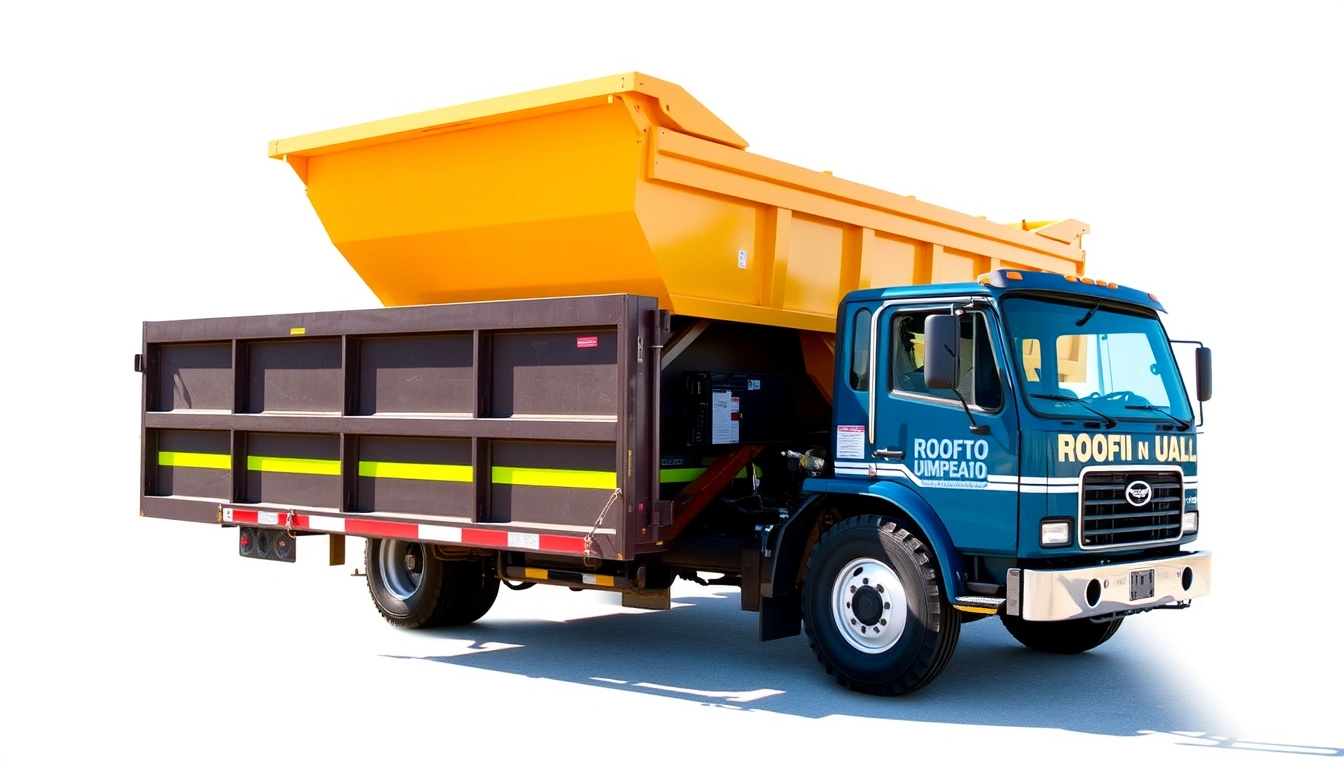
demolition dumpster rental: how to size heavy debris right
⏱️ 8 min read · Last updated: 2026
- Concrete commonly weighs about 4,000–4,800 pounds per cubic yard, which is why a small container fills by weight before it fills by volume.
- Heavy debris size cap: in most cases, a 10 yard dumpster is the safe ceiling for concrete disposal and dense masonry loads.
- Concrete disposal fee in Rome GA is commonly charged by the ton; a typical estimate is about $50–$85 per ton at the landfill, before hauling fees.
- One cubic yard of broken concrete can weigh about two to three times more than a cubic yard of mixed demolition debris.
- For dense loads, one overloaded dumpster can cost more than two correctly sorted hauls because overweight charges stack fast.
A demolition dumpster rental looks simple until the debris starts coming out of the structure. Concrete, brick, and block do not behave like drywall or wood framing, and that matters fast once the truck reaches the scale. I have watched a “half-full” box turn into an overweight problem in one afternoon because the crew kept tossing slab pieces in without checking the tonnage.
That is the trap in Rome, GA. The cheapest-looking container is often the most expensive if it is too large for heavy debris disposal. In practice, the question is not “How much room do I have?” but “How many tons will this load weigh when it reaches the Floyd County landfill?”
A cubic yard of concrete can weigh around 4,000 to 4,800 pounds, so one small pile can use up a dumpster’s weight allowance long before it looks full.
What actually determines the right answer here
The right demolition dumpster rental size comes down to three things: weight, material type, and whether the load is clean or mixed. If the debris is mostly concrete, brick, or block, weight usually matters more than volume. If the load includes wood, metal, drywall, and shingles, then the mix changes the math and the price.
Concrete is the biggest troublemaker because it is so dense. A broken driveway slab, a patio, or a set of steps can weigh more than a larger container is rated to handle. That is why a construction dumpster rental Rome GA is not always the right answer for demo work, even when the project looks small from the street.
Here is the part most people miss: the landfill does not care how neatly the debris was stacked. It cares about tonnage. If your load tips over the included weight allowance, the overage charge can erase the savings from choosing a bigger box. For dense loads, I usually start by estimating tons, not yards.
| Situation | Best Path | Why Other Options Fail |
|---|---|---|
| Broken concrete from a driveway or patio | 10 yard dumpster or smaller heavy-debris container | Larger containers can overload before they look full |
| Mixed demo from framing, drywall, and trim | Standard construction container with weight review | Concrete-only sizing can be too restrictive |
| Roof tear-off plus a little masonry | Separate roofing and masonry loads | Mixing shingles and concrete usually complicates disposal |
If you want the cleanest fit, think in terms of what the truck will weigh at the scale, not how many trips the crew can stuff into it. Floyd County landfill pricing and hauling fees are where the final number gets real.
Quick check: If most of your debris is concrete, brick, or block, start with a smaller heavy-debris container and estimate tonnage first.

What size dumpster do I need for concrete and demolition debris?
For concrete and demolition debris, a 10 yard dumpster is usually the safest starting point. If the material is clean concrete, brick, or block, that size often keeps the load within legal weight limits without forcing you into expensive overage charges. Bigger containers are not automatically better here.
A 10 yard dumpster is small in volume, but that is the point. Concrete disposal is a weight problem, not a space problem. A few broken sidewalk sections, a small patio, or a short run of foundation can weigh several tons before the container is even close to “full.”
For mixed demolition debris removal, the answer changes. If the debris includes lumber, cabinets, drywall, or roofing layers, you may need a larger container because the load is lighter per cubic yard. That is when a roll off dumpster for contractors Rome GA often makes more sense than a heavy-debris-only setup.
- Estimate the material first: concrete, brick, block, mixed demo, or roofing.
- Estimate tonnage next. Concrete is commonly 4,000–4,800 pounds per cubic yard.
- Match the size to the weight limit, not the floor space in your driveway.
- Ask whether the container is priced for clean heavy debris or mixed demolition debris.
- Confirm where the load will go, including the Floyd County landfill or another approved facility.
- Keep a buffer of at least 15% if the crew is uncertain about hidden slab depth or rebar.
One useful benchmark: if you are dealing with several thousand pounds of concrete, the 10 yard dumpster is usually the container that keeps the math under control. That is also why many haulers treat concrete dumpster rental as a separate service class from ordinary construction waste.
Quick check: If the load includes concrete thicker than a sidewalk, or any brick disposal dumpster load with solid masonry, stay small and verify the tonnage cap before you book.
Why heavy debris dumpsters use smaller sizes
Heavy debris dumpsters use smaller sizes because weight limits run out before volume does. That is the whole reason a 10 yard dumpster often beats a 20 yard container for masonry, concrete disposal, and dense demo work. The smaller box is not a downgrade; it is the correct tool.
A typical 20 yard container can hold a lot of air, but air is not what costs money at the scale. Concrete, brick, and block stack weight quickly, especially when they are wet or mixed with dirt and mortar. A single busted slab can surprise people because it seems manageable until the truck weighs it.
The structure of the job matters too. If you are breaking out a slab in sections, a small container keeps the crew honest about sorting. If you are doing full demolition debris removal from a room or garage, a larger container may work only if the heavy materials are separated early.
That is also why many haulers will ask what is going in the box before they quote the job. They are not being difficult. They are trying to avoid the exact problem that creates the biggest bill later.
For heavy debris disposal, the best container is usually the smallest one that safely handles the tonnage, not the largest one that fits in the driveway.
Concrete-only loads and mixed loads should not be priced the same way. If you mix brick, concrete, and general debris, the disposal pathway often changes, and so does the rate.
Quick check: If the debris would break a wheelbarrow axle, treat it as heavy debris and size the dumpster by weight cap first.

How to decide between concrete-only and mixed loads
Choose concrete-only loading if the debris is mostly slab, block, brick, or curb material with very little wood or trash. Choose a mixed load only when the project genuinely includes different material streams and you cannot separate them without wasting time. That decision can change your cost more than the dumpster size does.
Concrete-only disposal is cleaner for the landfill and usually easier to price. Mixed loads are messier, but sometimes they are the practical choice for a renovation where every wall, floor, and fixture comes out together. The mistake is paying mixed-load pricing for material that should have been sorted.
If you are tearing out a patio and a small retaining wall, keep the masonry separate. If you are gutting a garage and breaking the slab at the same time, you may need two containers or a staged pickup plan. That is where a roofing dumpster rental Rome GA approach can also help if shingles or underlayment are part of the mix.
- Walk the site and separate the debris into concrete, brick, wood, and loose trash.
- Measure the thickest masonry pieces; thicker pieces weigh more than they look.
- Decide whether the material can be sorted in under 30 minutes on site.
- If yes, separate it. If not, ask for the mixed-debris rate up front.
- Confirm whether the hauler allows rebar, mortar, or dirt in the load.
- Schedule pickup before the bin becomes a staging area for everything else on the property.
The difference between clean and mixed is often the difference between a clean scale ticket and an ugly surprise. If you are unsure, ask for both prices and compare the ton allowances, not just the rental sticker.
Quick check: If the project is one material with a little contamination, sort it; if it is several materials from the same room, price it as mixed demolition debris removal.
When the standard advice is wrong
The standard advice is wrong whenever the debris is dense, wet, or harder to separate than it looks. In those cases, “just get a bigger dumpster” usually costs more than it saves. The better move is to change the workflow, not the container size.
Here are the edge cases that catch people in Rome, GA. Wet concrete after rain weighs more than dry concrete. Brick with old mortar is heavier than clean brick. A slab broken into fist-size pieces loads differently than large chunks. And dirt clinging to the bottom of debris can quietly add hundreds of pounds.
If your project involves landscaping demo, tree roots, and old patio stone, a dedicated dumpster for landscaping debris can be the better choice than forcing it into a demolition dumpster rental. The material stream matters because soil, rock, and masonry all add weight fast.
Where the usual rule breaks down
- Rain-soaked concrete: The load weighs more, so the ton allowance disappears faster.
- Brick with mortar stuck to it: Old mortar changes the disposal math more than most people expect.
- Rebar-heavy concrete: Metal adds handling time and can affect where the load is accepted.
- Mixed demo with dirt: Dirt is the sneaky weight problem that pushes a container over the limit.
- Small job, long carry: If the debris has to be hauled far from the structure, labor cost can beat dumpster cost.
The honest mistake I see most often is ordering once and sorting later. That sounds efficient, but it usually turns into a scale ticket problem and a second call to the yard. The fix is boring: decide the material stream before you break the first slab.
Quick check: If the debris includes dirt, rain, mortar, or rebar, stop assuming standard advice applies and rework the plan around weight.
How much does it cost to dispose of concrete in Rome GA?
How much it costs to dispose of concrete in Rome GA usually comes down to tonnage, hauling distance, and whether the load is clean. A reasonable planning estimate is about $50–$85 per ton at a disposal site, plus the rental and hauling fee. That is a planning range, not a quote.
The reason this gets confusing is that the dump fee is only one piece of the bill. A 10 yard dumpster may cost less to rent than a larger container, but if the load is overweight, the final total can jump fast. That is why the cheapest base rate is not always the cheapest project.
If you want a rough way to estimate before you call, use this: one cubic yard of concrete can weigh roughly 2 tons or more. So a few cubic yards may already create several tons of disposal weight. That is the number to bring into the conversation, not the square footage of the slab.
Typical concrete disposal in Rome GA is priced by the ton, and a clean, under-limit load is almost always cheaper than an oversized container with overweight fees.
For more pricing context on how the system works locally, the Floyd County government site is the place to verify landfill-related rules, and the EPA landfill guidance is useful for understanding why facilities care so much about load type and weight. The takeaway is simple: concrete disposal is not a volume game.
One practical way to save money is to break heavy material first, then load it in a clean, sorted way. If the crew can keep masonry out of the general debris stream, you are more likely to stay inside the included weight and avoid a second charge.
Quick check: If you can estimate the concrete in tons, not just piles, you are ready to get a real price instead of a guess.
- Concrete is heavy enough that a 10 yard dumpster is often the safest choice for demolition debris.
- For heavy debris disposal, weight matters more than volume every single time.
- Clean concrete, brick, and block are easier to price than mixed demolition debris removal.
- Ask for the ton allowance and disposal fee before the dumpster arrives.
Common Questions About demolition dumpster rental
What is a heavy-debris dumpster and when do I need one?
A heavy-debris dumpster is a container set up for dense material like concrete, brick, block, and stone. You need one when the load is likely to hit the weight limit before it fills the box. A 10 yard dumpster is the common choice for that kind of job.
How do I dispose of concrete debris step by step?
Break the concrete into manageable pieces, keep dirt and trash out of the pile, load it into a heavy-debris container, and confirm the ton allowance before pickup. If the concrete is clean, disposal is simpler and usually cheaper than a mixed load.
Concrete-only vs mixed demolition dumpster — which is better?
Concrete-only is usually better when the debris is mostly masonry, because the disposal path is cleaner and easier to price. Mixed demolition dumpster loads make sense when the project truly includes wood, drywall, and fixtures that cannot be separated without wasting time.
Why won’t they let me fill a large dumpster with concrete?
Because concrete is too dense for many large containers to handle safely. The box may look half full, but the truck can already be overweight. Haulers use smaller sizes, like a 10 yard dumpster, so the load stays within legal and facility limits.
How much does concrete disposal cost in Rome GA?
A reasonable planning estimate is about $50–$85 per ton for disposal, plus the rental and hauling fee. The final cost depends on the concrete weight, whether the load is clean, and whether it stays inside the included ton allowance.
Can I mix brick and concrete in the same dumpster?
Yes, but only if the hauler allows that mix and the tonnage stays under the limit. Brick and concrete both weigh a lot, so the container should still be treated like heavy debris disposal. Ask about rebar, mortar, and dirt before you book.
The bottom line
For demolition dumpster rental in Rome, GA, the smartest move is usually to size for weight first and volume second. If your load is concrete, brick, or block, a 10 yard dumpster is often the right starting point because it controls tonnage better than a larger box. If the load is mixed, sort what you can before you rent.
Pick one thing from this article and try it this week — not all of it, just one. Start by estimating your debris in tons, then ask for the included weight allowance before you schedule delivery. If you want the broader contractor context, the Roll Off Dumpsters for Contractors, Roofers & Construction in Rome, GA pillar is the next place to compare project types and sizes.
See also: construction dumpster rental Rome GA
See also: roofing dumpster rental Rome GA
See also: roll off dumpster for contractors Rome GA
Related: 20 yard vs 30 yard dumpster
Related: what can you put in a dumpster Rome GA
Related: demolition debris dumpster