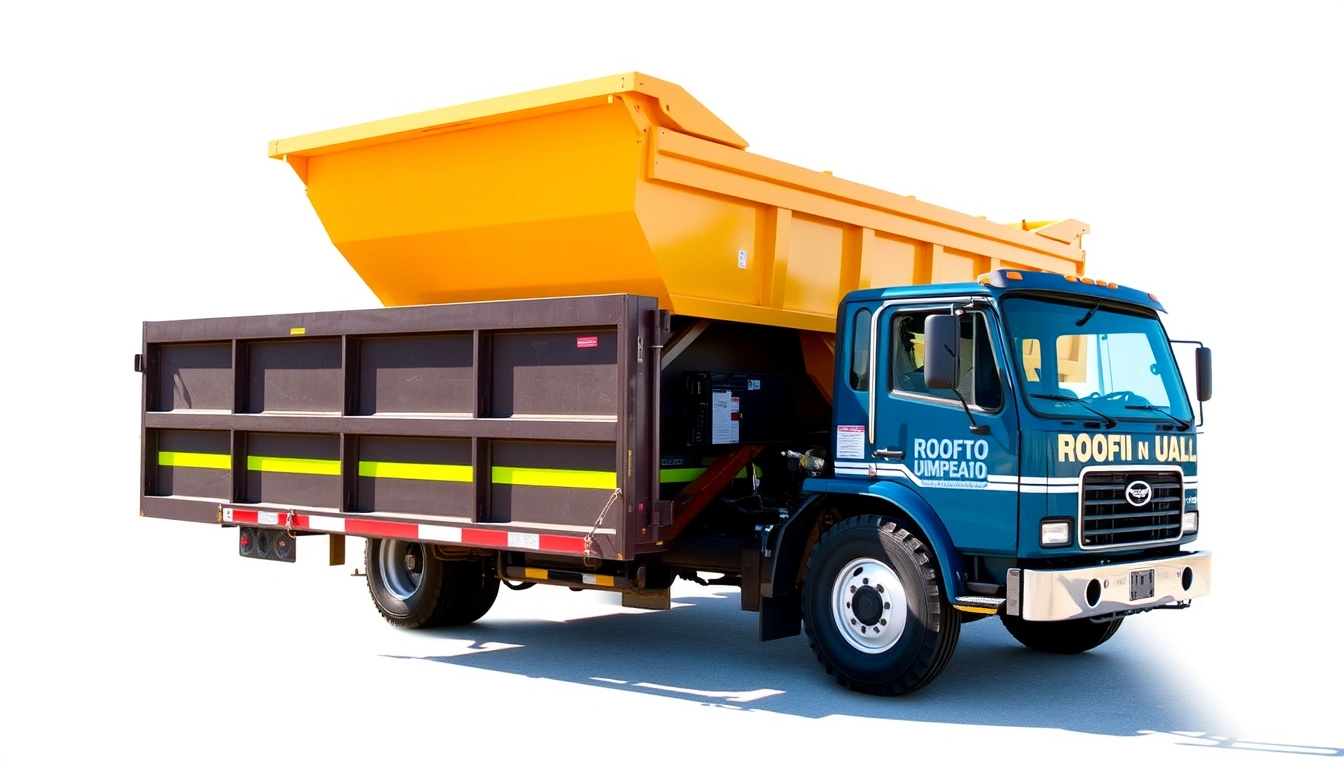
20 yard vs 30 yard dumpster: Which Fits Your Job Best
⏱️ 8 min read · Last updated: 2026
- A 20 yard dumpster usually holds about 20 cubic yards of debris; a 30 yard dumpster holds about 30 cubic yards, or 50% more volume.
- Typical footprint: about 22 feet long by 8 feet wide for both sizes; the 30 yard dumpster is commonly 1 to 3 feet taller.
- Typical weight limits: a 20 yard dumpster is often 2 to 4 tons, while a 30 yard dumpster is often 4 to 6 tons.
- Common price gap in Rome GA: about $50 to $100 more for a 30 yard dumpster, depending on debris type and included tonnage.
- For dense construction debris, the smaller dumpster can be cheaper overall if the load stays under the weight limit.
Last spring, I watched a contractor fill a 20 yard dumpster with torn-out cabinets, drywall, and flooring from one kitchen and one bath, then stop with the load at the rim. He was glad he did not order bigger. The 20 yard vs 30 yard dumpster decision gets expensive when people choose by volume alone and ignore weight, especially with construction debris in Rome GA.
The real trade-off is simple: the 30 yard dumpster gives you more room, but that extra space can tempt you into throwing in heavier material you will later pay for by the ton. I have seen the opposite too, where a crew saved $75 on the rental and paid $180 in overage because the smaller box hit its limit first. That is the part most comparison pages skip.
The real difference between a 20 yard dumpster and a 30 yard dumpster
The 30 yard dumpster is bigger in the way that matters most: it gives you roughly 10 more cubic yards of room, which is about 50% more capacity. In practice, that means fewer trips to the curb, fewer swap-outs, and more forgiveness when debris is awkward, springy, or hard to stack.
The 20 yard dumpster wins when the load is dense or the project is tight on space. It usually has a lower weight allowance than a 30 yard dumpster, so it is better for jobs where you expect shingles, tile, drywall, or mixed construction debris rather than big, lightweight junk.
A 30 yard dumpster is not just a bigger box; it is a better fit when the job creates volume faster than it creates weight.
Here is the part that changes the decision in Rome GA: most driveway space does not change much between these two sizes. Both often sit around 22 feet long by 8 feet wide, so the footprint is usually similar. The difference is height, access, and what you can safely stack above the rim without creating a pickup problem.
Quotable line: The 20 yard vs 30 yard dumpster choice is usually a choice between lower cost and lower weight risk, not just smaller versus bigger.

20 yard dumpster: who should actually use this
The 20 yard dumpster wins for most remodeling jobs under one full room plus one partial room. It is the better pick for a standard bathroom remodel, a single-room kitchen demo, a roof tear-off on a modest house, or a cleanout where the debris is bulky but not endless.
The big strength of the 20 yard dumpster is control. You are less likely to overbuy, you are less likely to let the crew dump random extra material into the box, and you are less likely to pay for space you never use. For many homeowners and contractors, that restraint matters more than the extra room.
Who it fits best
- Kitchen or bathroom remodels with moderate demolition.
- Roofing jobs where shingles are the main load, not decking or framing.
- Small-to-medium cleanouts with furniture, boxes, and light junk.
- Jobs where the crew can stage debris and load methodically.
The weakness is simple: it fills fast when debris is bulky. Cabinet carcasses, long trim pieces, old flooring, and broken drywall do not pack neatly, so a “small” remodel can become a cramped stack of awkward edges. That is where a 20 yard dumpster can feel too small even when the actual tonnage is not extreme.
If your project includes tree limbs, mulch, or yard waste, a dedicated dumpster for landscaping debris can sometimes be a smarter fit than either size, because the waste stream is cleaner and easier to estimate.
Quotable line: For dense construction debris, the 20 yard dumpster often saves money by forcing a more realistic load size.
30 yard dumpster: the specific situations where it wins
The 30 yard dumpster wins when volume is the problem, not just weight. It is the better choice for full-house cleanouts, multi-room remodels, commercial rip-outs, and jobs where the crew is tearing out bulky material that does not compact well.
It also wins when time matters. If your schedule is tight and you would rather pay a little more than stop work to trade out a full box, the 30 yard dumpster usually buys you breathing room. That matters on commercial jobs and on fast residential remodels where labor is more expensive than the rental fee.
Where the bigger size pays off
- Whole-house cleanouts with furniture, trash, and mixed junk.
- Multi-room renovation projects in one phase.
- Lightweight but bulky debris like drywall, trim, and old cabinets.
- Jobs where one swap-out would cost more in labor delay than the rental difference.
The weakness is cost drift. The larger box makes people feel safe, so they fill it with material they might otherwise sort, stack, or stage. That is how the extra cubic yards disappear into added tonnage charges. In Rome GA, that can erase the modest price gap quickly.
For crews handling framing, demo, and mixed remodel waste, a dedicated construction dumpster rental is often the most practical middle ground because it matches the mess contractors actually produce.
Quotable line: The 30 yard dumpster is worth it when your debris is bulky enough that stacking, not tonnage, is the bottleneck.

The honest side-by-side
The 20 yard dumpster is the better value for dense, predictable jobs. The 30 yard dumpster is the better value for bulky, fast-moving jobs where a full box would slow the crew down.
| Criteria | 20 yard dumpster | 30 yard dumpster | Winner for this condition |
|---|---|---|---|
| Capacity | 20 cubic yards | 30 cubic yards | 30 yard dumpster for bulky debris |
| Typical footprint | About 22 x 8 feet | About 22 x 8 feet, taller | Tie for driveway fit |
| Typical weight limit | 2 to 4 tons | 4 to 6 tons | 30 yard dumpster for heavier legal load |
| Typical price gap | Lower base price | Usually $50 to $100 more | 20 yard dumpster for tight budgets |
| Best debris type | Dense construction debris | Bulky, mixed debris | Depends on debris type |
| Risk of overage | Higher if the load is heavy | Lower if the load is bulky | 30 yard dumpster for bulky loads |
| Best use in Rome GA | Roofing, kitchens, baths | Whole-house and commercial cleanouts | Match the job size |
The cheapest dumpster is the one that finishes the job without a second haul, and that is often the 20 yard dumpster for small remodels and the 30 yard dumpster for bulky cleanouts.
If you are comparing rentals for exterior work, a roofing dumpster rental Rome GA is often the fastest way to price a box by job type instead of guessing by size alone.
Should I get a 20 or 30 yard dumpster for my project?
Choose the 20 yard dumpster if you can name the rooms, estimate the debris, and keep the project in one phase. Choose the 30 yard dumpster if the debris comes from multiple areas, you expect bulky material, or you cannot afford a full load to stop the job.
That is the cleanest rule I use in 2026. If the project is limited and predictable, smaller wins. If the project is spread out or the crew is moving fast, bigger wins. The wrong choice is usually the one made by habit, not by load type.
Quotable line: In 2026, the best 20 yard vs 30 yard dumpster decision starts with debris type, then weight, then footprint, then price.
Is a 30 yard dumpster worth the extra cost over a 20?
Yes, but only when the job would otherwise force a second haul, a work stoppage, or messy stacking. In Rome GA, the usual premium is not huge, commonly about $50 to $100, so the bigger box often pays for itself on time-sensitive jobs.
It is not worth it for compact debris. I would not pay extra for a small bathroom demo, a roofing job with a straightforward shingle tear-off, or a cleanout where the material can be broken down and packed tightly. In those cases, the 20 yard dumpster usually gives the better return.
What the extra cost really buys
- Fewer pickup delays.
- More room for awkward debris.
- Lower chance of overfilling the rim.
- Less labor spent compacting the load.
If your project is mostly dirt, stone, or concrete, neither size is ideal without a weight check first. Those materials can make a large box expensive fast, and they often call for a different disposal plan altogether. The same is true when a contractor is looking at long-term site work instead of one-off demo.
For that kind of recurring job, a roll off dumpster for contractors Rome GA can be the better operational choice because it aligns with repeat loading and predictable haul patterns.
When does a 20 yard dumpster become too small?
A 20 yard dumpster becomes too small when you cannot fit one phase of the job into a single organized load. The warning sign is not just “a lot of stuff”; it is when the debris includes long, bulky pieces that will not stack flat and the crew starts building walls above the rim.
That usually happens with whole-room renovations, combined demolition, or mixed material jobs. A kitchen plus flooring plus trim plus old cabinets can outgrow a 20 yard dumpster faster than people expect, even if the house is not large.
Watch for these signs
- The debris pile is still growing after the main demo is done.
- Large pieces are being broken only to fit the box.
- The team is planning a second “cleanup day” just for trash.
- The load reaches the top before the job is halfway complete.
A 20 yard dumpster is too small when the job creates more volume than the crew can safely stack in one pass.
The fix is usually not to oversize every rental. The fix is to match the dumpster to the phase of the job. For example, the demolition phase may justify a 30 yard dumpster, while the finish-out phase may not. That is a better roll off size guide than guessing by square footage alone.
When to reconsider this choice entirely
Reconsider both sizes when the debris is unusually dense, unusually clean, or unusually staged. A project with concrete, brick, dirt, or plaster can make the tonnage limit the real problem, while a project with separated cardboard, metal, or yard waste may be cheaper in a different container.
Reconsider also when access is tight. If the truck cannot safely place a larger box without blocking a drive, damaging a surface, or limiting job-site movement, size matters less than placement. I made that mistake once on a narrow side driveway: the bigger box would have fit on paper, but the delivery angle would have eaten half a day.
Also reconsider if the waste stream is mostly landscaping material. A dedicated dumpster landscaping debris setup can be cleaner and easier to manage than forcing yard waste into a general-purpose roll off.
Quotable line: The smartest roll off size guide is not based on square footage; it is based on debris density, access, and included tonnage.
- Choose the 20 yard dumpster for dense, predictable jobs where weight matters more than volume.
- Choose the 30 yard dumpster for bulky, multi-room, or time-sensitive projects where extra space prevents delays.
- In Rome GA, the usual price gap is modest, but weight limits can change the total bill fast.
- The best decision comes from debris type first, then weight, then footprint, then price.
Common Questions About 20 yard vs 30 yard dumpster
What is the difference between a 20 and 30 yard dumpster?
The main difference is capacity: a 20 yard dumpster holds about 20 cubic yards, while a 30 yard dumpster holds about 30 cubic yards. In most cases, the footprint stays similar, but the 30 yard dumpster is taller and usually carries a higher tonnage allowance.
How do I decide between a 20 and 30 yard dumpster?
Decide by debris type first. Pick a 20 yard dumpster for heavy, compact debris like shingles or drywall, and pick a 30 yard dumpster for bulky mixed material like cabinets, trim, and furniture. If the job spans multiple rooms, the 30 yard dumpster is usually safer.
20 yard vs 30 yard dumpster — which is better for a remodel?
For a single kitchen or bathroom remodel, the 20 yard dumpster is usually enough. For a whole-house or multi-room remodel, the 30 yard dumpster is better because it reduces the chance of a second haul and gives the crew more room to load bulky debris safely.
Why do I keep overfilling my 20 yard dumpster?
Most overfilling happens because the debris is bulkier than expected or the crew starts loading without staging the material first. The fix is to break down large items, keep the load flat, and upgrade to a 30 yard dumpster if the job includes multiple rooms or oversized pieces.
How much more does a 30 yard dumpster cost in Rome GA?
In Rome GA, the 30 yard dumpster is commonly about $50 to $100 more than a 20 yard dumpster, though the final price depends on tonnage, rental length, and debris type. If the larger box prevents a second haul, it often pays for itself.
Is a 30 yard dumpster too big for a roof tear-off?
For a normal roof tear-off, a 30 yard dumpster is often bigger than necessary. A 20 yard dumpster is usually the better fit unless the roof is large, the crew is removing decking, or the project includes other demolition debris. Roofing jobs also need tonnage checked carefully.
The bottom line
For the 20 yard vs 30 yard dumpster choice, I would pick the 20 yard dumpster for dense, predictable work and the 30 yard dumpster for bulky, multi-room, or time-sensitive jobs. That is the cleanest call in Rome GA in 2026. If you want the safest next step, list your debris by room, estimate whether it is heavy or bulky, and price both sizes before you book.
Pick one thing from this article and try it this week, not all of it, just one. If you are still unsure, start with the Roll Off Dumpsters for Contractors, Roofers & Construction in Rome, GA pillar and match the rental to your job type, not your gut.
See also: roll off dumpster for contractors Rome GA
See also: dumpster for landscaping debris
See also: construction dumpster rental Rome GA