dumpster rental for property managers: the Rome GA playbook
⏱️ 8 min read · Last updated: 2026
- Typical turnover debris volume: most apartment or single-family rental turnover jobs fill about 3 to 6 cubic yards, but full-unit cleanouts can jump to 10 to 20 cubic yards once furniture, carpet, and box spring disposal start.
- Common size choice: a 20-yard roll off dumpster usually covers one standard rental turnover; a 30-yard container is the safer call for eviction cleanout dumpster loads with bulky debris.
- Recurring booking discount: many haulers offer a 5% to 15% discount for recurring dumpster service when a property manager books a standing schedule or monthly route.
- Billing terms options: local haulers commonly offer card-on-file, invoice billing, and net-15 or net-30 terms for approved commercial accounts.
- Rome GA placement note: dumpster placement on private property is usually simpler than street placement, and street placement may require a permit depending on location and obstruction risk; check local rules before delivery.
A 20-yard container is the size I end up recommending most often for rental turnover work because it covers the messy middle: carpet, trim, doors, blinds, and a little surprise debris without forcing a second haul. In dumpster rental for property managers, that second haul is where profit quietly disappears.
The real trade-off is not price alone. It is timing, billing, and how much junk a unit can generate when the previous resident leaves behind furniture, trash bags, and broken appliances. I have seen a clean two-bedroom turnover fit in 12 cubic yards and a smaller-looking eviction cleanout blow past 25 cubic yards once the crew started pulling out soaked carpet and a couch.
The cheapest dumpster is the one that gets emptied once, lands where it should, and matches the actual debris volume.
The real difference between a rental turnover dumpster and an eviction cleanout dumpster
A rental turnover dumpster is for predictable debris. An eviction cleanout dumpster is for unpredictable debris, and that difference changes the size, timing, and billing you should ask for in Rome GA.
Turnover jobs usually involve carpet, padding, blinds, light fixtures, closet rods, trash left in cabinets, and a broken piece or two. Eviction cleanouts can add furniture, mattresses, appliances, bagged trash, biohazard concerns, and enough surprise volume to make a 15-yard container look small fast.
For a property manager, the mistake is treating both jobs the same. The better move is to classify the job before you order the roll off dumpster: light turnover, standard turnover, or cleanout with unknown volume. That one habit cuts re-deliveries and saves a lot of scheduling drama.
For local guidance on where the container can sit, the rules in the dumpster permit Rome GA article are the right place to start. If the container must touch the curb or street, the rules tighten quickly, which matters more in downtown-style blocks and narrow access roads.
The quotable version is simple: most rental turnover jobs generate 3 to 6 cubic yards of debris, but the safe booking number for a full-unit cleanup is closer to 10 to 20 cubic yards.
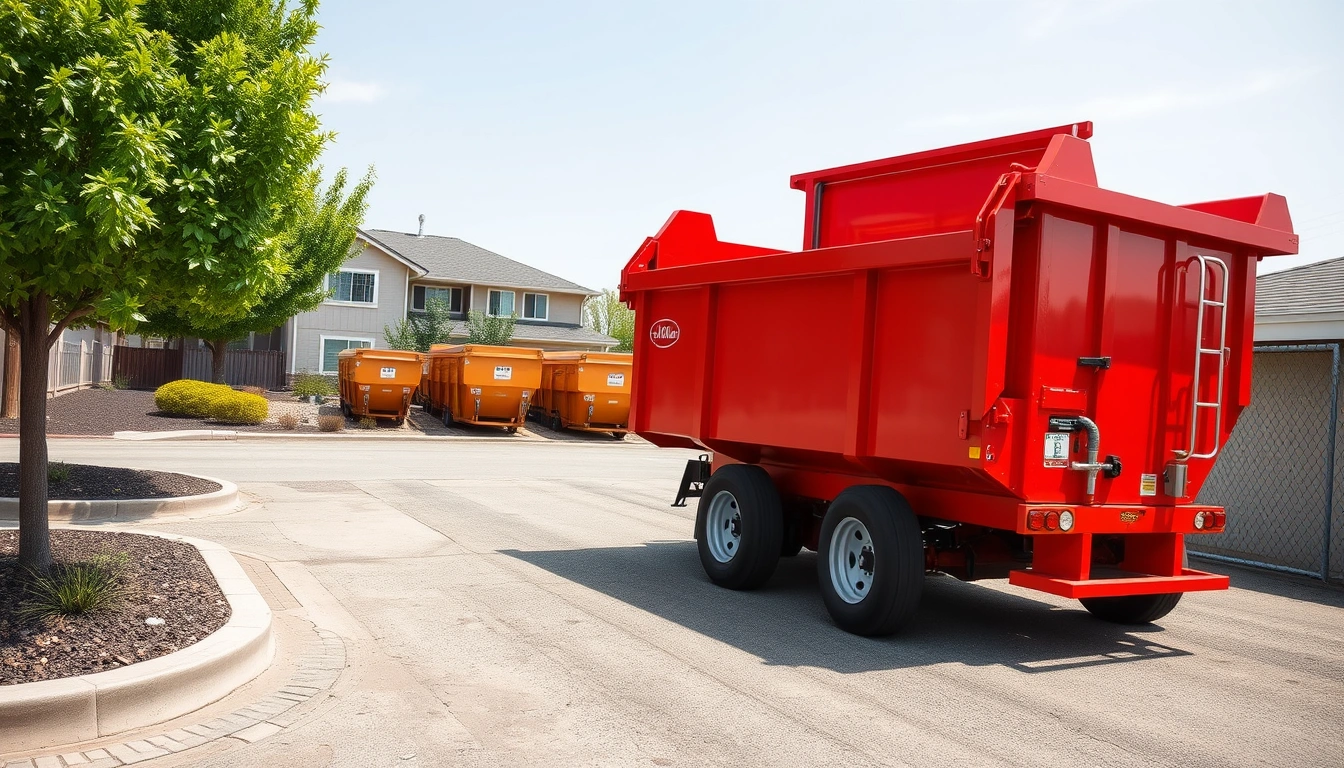
What a rental turnover dumpster is really for
A rental turnover dumpster is best for one unit, one move-out, and one clean finish. It wins when you know the job is controlled and you want the crew to clear the unit in a single pass.
That usually means a 20-yard roll off dumpster. In my experience, that size gives enough room for carpet strips, underlayment, trim, closet shelving, and the accidental pile of tenant junk that always appears behind the water heater. A 10-yard container works for light refreshes, but it gets tight once you add old doors or a small appliance.
If the work is a simple turnover with no furniture and no dump-run pileup, a smaller bin can save money. But when you are managing multiple units, the real cost is not the container price alone. It is the labor lost when the crew has to sort, stack, or call for a second hauler because the first container filled too fast.
A 20-yard roll off dumpster is the best default for most rental turnover work because it covers normal debris without forcing a second pickup.
For pricing context, the local market page at dumpster rental Rome GA is useful when you need to compare sizes before you book. I would rather see a property manager choose the right size once than save a small amount and pay for a second haul two days later.
Who should use this option
Use a rental turnover dumpster when the unit is mostly empty, the debris is ordinary, and the schedule is tight. It fits single-family rentals, small multifamily turns, and standard apartment make-readies where the crew can finish in one day.
Do not use it as a catch-all for hoarding situations, full cleanouts, or jobs where the resident left behind couches, mattresses, and broken appliances. Those jobs move you from turnover territory into eviction cleanout dumpster territory, and the volume jump is real.
Can property managers set up recurring dumpster service in Rome?
Yes, and many property manager teams should. Recurring dumpster service is the smartest setup when your portfolio creates regular trash spikes, predictable make-ready debris, or monthly cleanout work in Rome GA.
The benefit is not just convenience. A standing schedule usually gives you priority delivery, fewer back-and-forth calls, and better control over billing. Most commercial haulers will set up weekly, biweekly, or monthly service, and many offer a recurring booking discount in the 5% to 15% range when the pickup pattern is predictable.
That discount matters most when you manage several units at once. One dumpster on Monday, another on Thursday, and a third the next week is the pattern that makes recurring service pay for itself. It reduces the “we need this tomorrow” surcharge that often shows up when property manager waste is handled as an emergency every time.
Net-terms billing is the other reason recurring service wins. Many commercial accounts can qualify for invoice billing, card-on-file, net-15, or net-30 terms after approval, which is a big deal when you are waiting on owner reimbursement or a maintenance ledger closeout. A business account that can bill monthly is simply easier to manage than a string of one-off charges.
If your routes sometimes need street placement, review the dumpster street rules before assuming the same spot will work every time. Street placement is where scheduling convenience can turn into a permit problem.
What recurring service does well
Recurring service works best for apartment communities, scattered-site portfolios, and property manager teams that clean multiple units every month. It also helps when the same maintenance vendor, cleaner, or turnover crew works on a fixed schedule.
The hidden win is predictability. Once the hauler knows your pattern, the driver shows up with the right equipment and the office stops wasting time on same-day calls.
What recurring service does poorly
Recurring service is not ideal for one-off emergencies or unusually large eviction cleanout dumpster jobs. If your volume swings wildly, a standing schedule can lock you into paying for capacity you do not use.
That is why the best setup for many property manager teams is a hybrid: recurring service for routine turns, then an on-demand dumpster for the oddball unit.

How do I handle debris from an eviction cleanout?
Handle eviction debris like an unknown-volume project, not a normal turnover. That means you should size up, reserve more time, and expect a 30-yard roll off dumpster more often than a smaller bin.
Start with the basics: separate hazardous waste, confirm whether appliances are staying or going, and photograph the unit before anyone touches the debris. Once the crew starts moving furniture, volume changes fast. A couch, two mattresses, and a few stuffed trash bags can eat more room than people expect.
I have seen an eviction cleanout that looked manageable on paper fill a 20-yard container halfway through the first hour because of soaked carpet and furniture. That is the moment a property manager needs to think like a logistics person, not a cleaner.
For the permit side of that decision, the page on do I need a permit for a dumpster in Rome GA is worth checking before you place a container where it could block the right-of-way. If the truck has to set a container partially in the street, the permit question is not optional.
The quotable rule here is blunt: if the unit contains furniture, mattresses, and mixed debris, size the container for 10 to 20 cubic yards more than you think you need, then confirm local placement rules before delivery.
The honest side-by-side
For most property manager teams, the right choice comes down to predictability versus volume. A rental turnover dumpster wins on efficiency; an eviction cleanout dumpster wins on capacity and fewer surprises.
| Criteria | Rental turnover dumpster | Eviction cleanout dumpster | Winner for this condition |
|---|---|---|---|
| Typical debris volume | 3 to 6 cubic yards | 10 to 20+ cubic yards | Turnover for light make-readies |
| Best size fit | 10-yard or 20-yard | 20-yard or 30-yard | Turnover for controlled jobs |
| Risk of under-sizing | Moderate | High | Eviction cleanout, when unknown |
| Scheduling predictability | High | Low to medium | Turnover |
| Recurring dumpster service fit | Excellent | Fair | Turnover route management |
| Billing model advantage | Net-15 or net-30 works well | Invoice billing helps, but approvals take longer | Turnover for portfolio work |
| Driver access needs | Usually simpler | May need more on-site flexibility | Turnover |
| Chance of mixed debris | Lower | Higher | Turnover for normal units |
The table tells the truth most sales pages skip: the best dumpster rental for property managers is not the biggest container, but the one that matches the job type and payment flow. If your team needs approval chains, standing invoices, and recurring scheduling, the turnover model is easier to run.
If you want a deeper look at where cost moves with size and service, the local pricing page on dumpster rental rome helps frame the trade-off without guesswork. The cheapest line item can become expensive fast when you add a second pickup.
Billing terms, discounts, and the part people forget to ask
Ask about billing terms before you ask about dumpster size. For property manager waste, the right billing setup often matters more than a $20 difference in container price.
Most commercial haulers can offer card-on-file, invoice billing, or net-15 and net-30 terms after account approval. That matters when you are covering a portfolio expense today and collecting reimbursement later from an owner, asset manager, or property-level budget.
Recurrence also changes the economics. A recurring booking discount in the 5% to 15% range is common enough that it should be part of your negotiation, especially if you can commit to a standing route. Ask for the discount in writing, not as a vague “we may be able to help” promise.
Net-15 and net-30 terms are often the difference between a clean monthly close and a stack of card receipts scattered across several unit turnovers.
One lesson I learned the hard way: the office staff should always know whether a booking is one-time or recurring before they place the order. I once saw a property manager team get a good rate on the container and lose it because the account was billed three different ways for the same month.
When the recommendation flips
The recommendation flips when the job stops being routine, the site gets tight, or the debris becomes mixed and heavy. In those cases, the larger or more flexible option wins, even if it looks overpriced at first.
First, choose the eviction cleanout dumpster when you cannot verify what is inside the unit. Second, choose the larger container when the job includes mattresses, furniture, or wet material. Third, choose a different plan entirely if the container has to sit on a street with permit risk or tight access.
Fourth, skip recurring dumpster service if your work is too irregular to predict. A standing route sounds efficient until you pay for empties you never use. For a small portfolio, one-time scheduling plus a backup hauler can be smarter than a monthly commitment.
Three cases where I would change the plan
- If the unit is a hoarding situation, I would skip a small turnover bin and go straight to a larger cleanout container.
- If the driver must place the dumpster in the street, I would confirm permit rules before booking anything.
- If you manage more than four similar turns per month, I would push for recurring dumpster service and net-30 billing.
Our verdict: which one to choose and why
Choose a rental turnover dumpster if the unit is mostly empty, the debris is ordinary, and you want one clean pickup on a schedule. Choose an eviction cleanout dumpster if the unit has furniture, appliances, or unknown debris volume. Neither if the container needs to sit in the street and you have not checked local placement and permit rules first.
That is the clearest answer for dumpster rental for property managers in Rome GA. The right setup is the one that reduces second hauls, keeps billing simple, and matches how your team actually works.
If you only do one thing this week, make a two-column checklist: “routine turnover” and “unknown cleanout.” That one split forces better ordering decisions and keeps the office from treating every job like the same problem.
For broader placement context, keep the parent guide handy: Dumpster Permits & Placement Rules in Rome and Floyd County, GA.
Common questions about dumpster rental for property managers
What is the best dumpster size for a rental turnover?
A 20-yard roll off dumpster is the best default for most rental turnover jobs in Rome GA. It usually handles carpet, trim, blinds, and mixed light debris without a second haul. If the unit is very small and mostly empty, a 10-yard container may be enough.
How do I set up recurring dumpster service as a property manager?
Ask for a standing weekly, biweekly, or monthly pickup schedule and attach one billing contact to the account. Most haulers will also support invoice billing or net-15 and net-30 terms after approval. That setup works best when the same property manager team handles repeated turnover work.
One-time vs recurring dumpster service — which fits a PM?
One-time service fits irregular cleanouts and rare jobs. Recurring dumpster service fits a property manager with steady turnover volume, because it improves scheduling and can reduce pricing by about 5% to 15% in many cases. If you have more than one unit turn a week, recurring service usually wins.
Why do turnover cleanouts often need a bigger dumpster?
Turnover cleanouts get bigger because the debris is rarely just trash. Once you add carpet, pad, doors, shelving, broken furniture, and appliance parts, a job that looked small can quickly move from 6 cubic yards to 15 or 20 cubic yards. That is why under-sizing is so common.
How much does turnover dumpster service cost in Rome GA?
Pricing varies by size, weight, and pickup timing, but a standard local turnover dumpster quote is often easier to compare by container size than by headline price alone. In Rome GA, ask for the base rate, weight allowance, overage fee, and whether the quote includes delivery, pickup, and tax.
The bottom line
For dumpster rental for property managers, the best choice is usually a 20-yard rental turnover dumpster for routine units and a 30-yard eviction cleanout dumpster for unknown or bulky debris. The real win is matching the job to the billing terms and scheduling pattern, not just the cheapest container. Pick one thing from this article and try it this week: set a size rule for routine turns, then send that rule to your office team and vendors.
- Most rental turnover jobs fit a 20-yard roll off dumpster; eviction cleanouts usually need more space.
- Recurring dumpster service makes sense when a property manager has predictable turnover volume and wants better billing terms.
- Ask about net-15 or net-30 billing before you book, because payment flow often matters more than a small price difference.
- Check Rome GA placement and permit rules before you assume the container can sit on the street.
See also: dumpster permit Rome GA
See also: dumpster on street rules Georgia
See also: do I need a permit for a dumpster in Rome GA
Related: dumpster rental for real estate investors
Related: construction dumpster Rome
Related: shingle disposal dumpster