Dumpster rental for real estate investors: the flip-size plan that works
⏱️ 8 min read · Last updated: 2026
- A light-to-moderate flip cleanout commonly fills 10 to 15 cubic yards of debris; a full-gut rehab often lands around 20 to 30 cubic yards.
- Most single-family flips need 1 to 2 hauls; heavy gut jobs with plaster, tile, or roof tear-off can need 2 to 3 hauls.
- A good swap-out trigger is when the dumpster reaches 70% to 80% full, or when material starts stacking above the sidewalls.
- A 30 yard dumpster is the most useful all-around size for many real estate investor rehabs because it handles bulky debris without forcing an early second haul.
- Rome GA projects with street placement should check permit and placement rules before delivery; the safest assumption is that curb placement needs a permit review first.
On a January flip in Rome GA, I watched a crew fill the first dumpster in 5 working days and wish they had ordered the next one 48 hours earlier. That is the part most people miss with dumpster rental for real estate investors: the problem is rarely just size, it is timing.
The invoice looks simple until a bathroom demo, kitchen tear-out, and two layers of flooring hit the same truck. I have seen a $425 rental turn into a $1,100 cleanup week because the team waited until the dumpster was completely full before calling for a swap.
What size dumpster do I need for a full house flip cleanout?
The best size for a full house flip cleanout is usually a 20 yard dumpster for light demolition and a 30 yard dumpster for a full-gut rehab. If the job includes cabinets, drywall, trim, doors, flooring, and a bathroom tear-out, the 30 yard dumpster is usually the safer choice.
I base that on actual debris volume, not guesswork. A small cleanout can stay under 10 cubic yards, but once you start opening walls, replacing subfloor sections, and pulling out old fixtures, the pile grows fast. In Rome GA, that extra volume matters because a second haul often costs more in lost time than in rent.
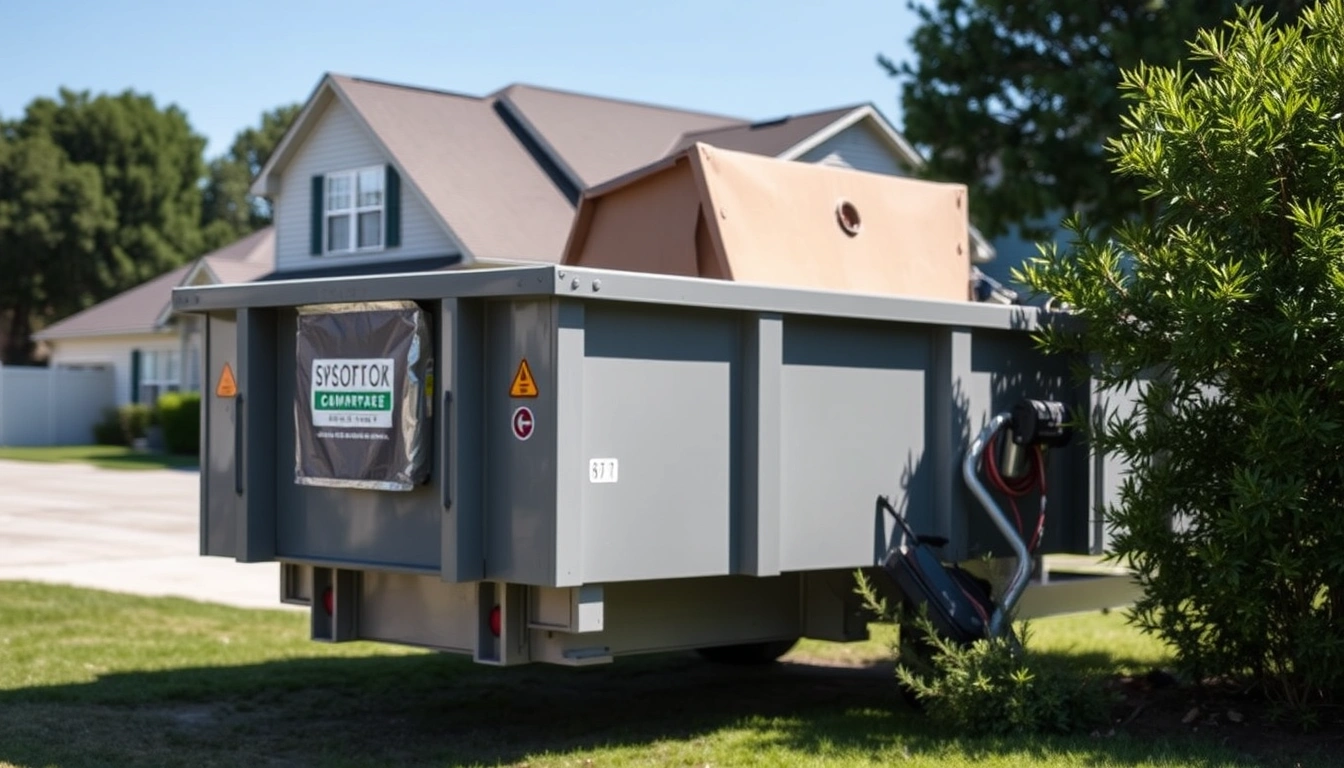
Think in cubic yards like this: a 10 yard dumpster is for small cleanouts, a 20 yard dumpster fits many standard flips, and a 30 yard dumpster is the workhorse for heavier rehab debris removal. If you are unsure, a 30 yard dumpster gives you breathing room without forcing the crew to stack debris over the rails.
A 30 yard dumpster is often the best default for a real estate investor doing a full-gut rehab because it reduces overflow, extra handling, and emergency swap fees.
If you want local placement help, the rules matter as much as the bin size. I keep a separate note for dumpster permit Rome GA because curbside delivery can change the whole plan.
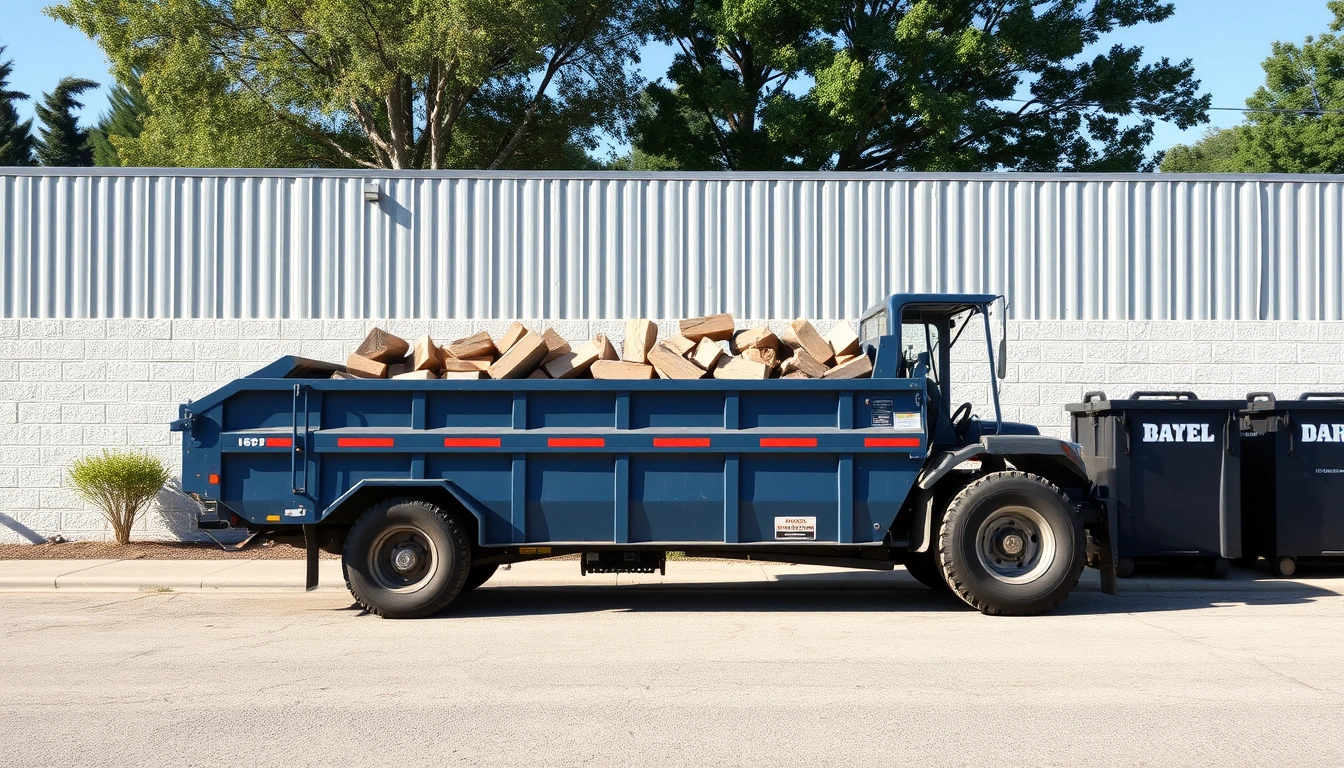
What I started with on investor dumpster planning
I started by using one rule: match the dumpster to the mess, not the square footage. That approach cut my wasted space on light flips and kept me from underordering on gut jobs.
For a cosmetic flip, I usually budget around 8 to 12 cubic yards of debris for carpet, trim, a vanity, old appliances, and some drywall patching. For a moderate rehab, that number jumps closer to 15 to 20 cubic yards. For a full gut renovation dumpster plan, I expect 20 to 30 cubic yards before the final punch list even starts.
That is why investor dumpster planning works best when it follows the demo schedule. If cabinets come out on Monday, flooring on Wednesday, and drywall on Friday, the dumpster needs to be on-site before the first wall comes down.
| Metric | Before | After | Change | Timeline |
|---|---|---|---|---|
| Dumpster size chosen | 20 yard by habit | 20 or 30 yard based on scope | Fewer overfills | Week 1 |
| Hauls per flip | 2 to 3 | 1 to 2 | 1 fewer haul on average | By Day 90 |
| Swap timing | After the bin was full | At 70% to 80% capacity | Less downtime | Month 2 |
One useful habit: I always tell the driver whether the load is mostly wood, drywall, cabinets, or tile. That one detail changes how I think about weight, because tile and plaster hit the limit faster than people expect.
For property managers handling multiple units, the math shifts again. A dedicated dumpster rental for property managers can simplify multi-turn cleanouts when units overlap.
How many dumpsters does a typical rehab need?
Most single-family rehabs need 1 to 2 dumpsters, and heavy gut jobs often need 2 to 3. The number rises when demolition is staged, because debris comes off in waves instead of one clean dump.
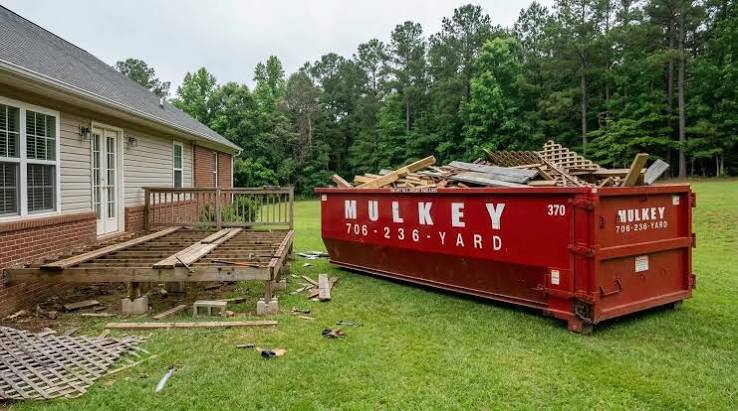
Here is the pattern I see most often in Rome GA. A light flip cleanout can usually fit into one 20 yard dumpster. A moderate rehab with kitchen, bath, flooring, and drywall removal often needs one full dumpster plus one swap. A deeper gut job with plaster, roof tear-off, or damaged framing can take three hauls if the crew keeps working through the week.
That is why a flip cleanout dumpster should be treated like a schedule item, not a disposable container. If the project plan says demo on Monday and rough carpentry on Thursday, the dumpster should be ready for the biggest waste day, not the smallest one.
My rough rule by rehab scope
- Cosmetic flip: 1 dumpster, usually 10 to 20 yards.
- Standard rehab: 1 to 2 dumpsters, usually 20 yards each.
- Full gut: 2 to 3 hauls, usually 30 yards or a 20 yard plus swap.
For investors working around street placement, the route matters too. I keep the local street guidance handy in dumpster street rules because a bad placement can delay pickup by a day.
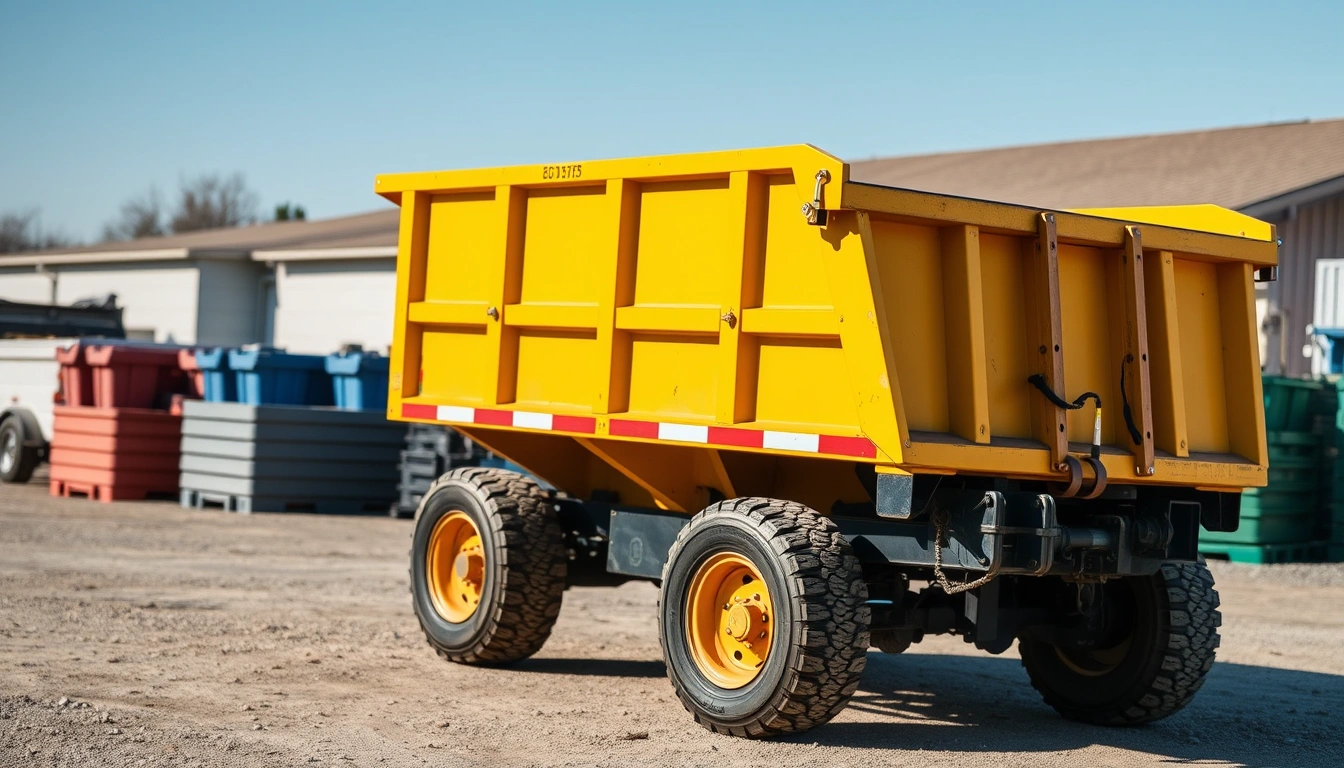
The swap timing that actually saves money
The best swap timing is usually when the dumpster reaches 70% to 80% full, not when it is packed level with the top rails. That trigger gives you a buffer for unexpected debris and prevents the crew from spending an extra hour breaking down bulky pieces just to make the lid close.
I learned to schedule the swap before the weekend if the crew is front-loading demo. In practice, that means calling for a replacement on Thursday afternoon for a Friday drop, or on Monday morning for a Wednesday changeout. A same-day emergency swap sounds efficient until a truck route pushes it into the next afternoon.
For a gut renovation dumpster, the best timing depends on the demo sequence. If all kitchen cabinets, flooring, and bath fixtures come out in the first three days, the swap should be booked before day four. If the job is split into phases, I wait until the second phase starts to avoid paying for air.
The cheapest dumpster is the one that leaves before it blocks the next crew day.
Rome GA investors also need to check whether the container will sit in a driveway or on the street. If the plan may spill into public right-of-way, I verify do I need a permit for a dumpster in Rome GA before the first truck arrives.
Should investors rent by size or by weight for flips?
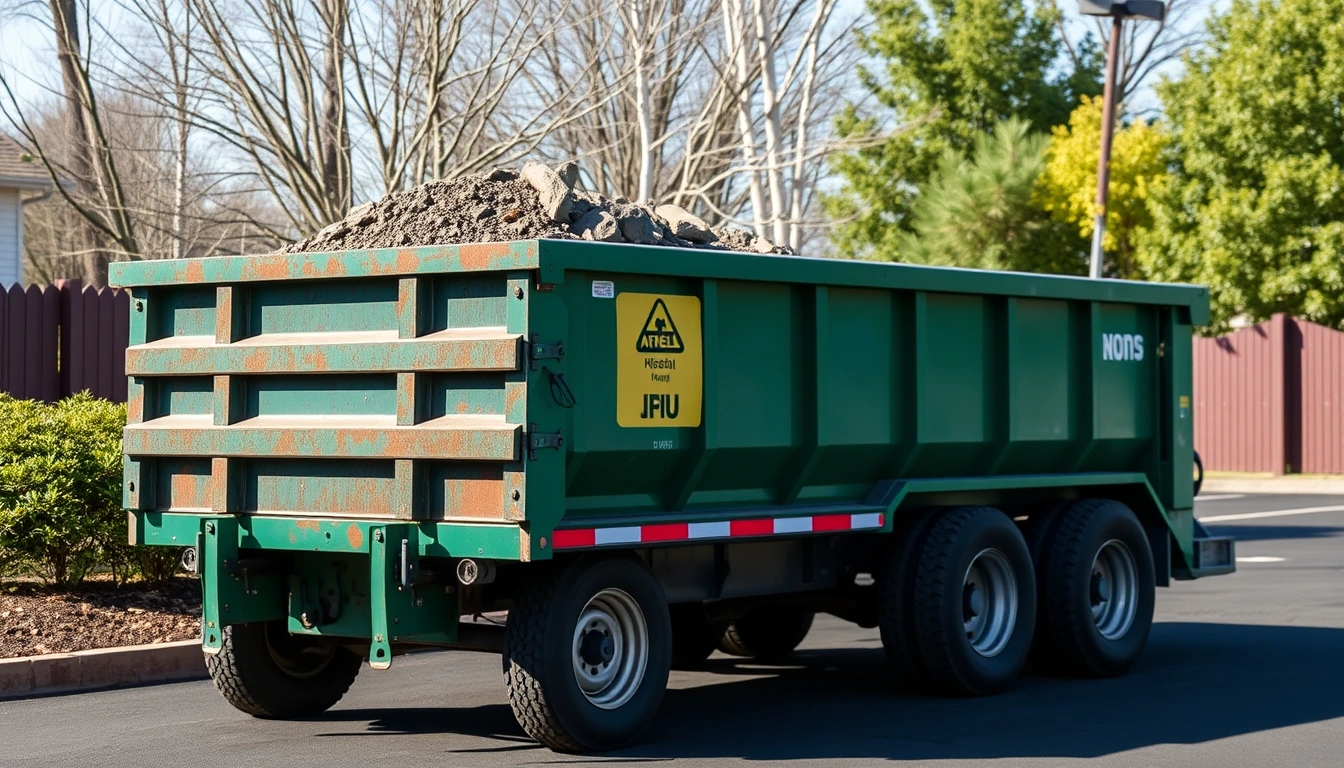
For most flips, investors should start with size first and weight second. The bin has to hold the debris, but weight becomes the real cost risk when the load includes masonry, shingles, plaster, tile, or dirt.
That means a 30 yard dumpster can be the right container even if the project is not “huge.” The size protects the workflow; the weight limit protects the invoice. If you rent only by price, the cheapest quote often becomes the most expensive load once the debris gets dense.
I prefer a quote that spells out the included tonnage, the overage rate, and the swap fee. That is the cleanest way to compare providers for dumpster rental for real estate investors in 2026, because headline price alone hides too much.
| Option | Best for | Main risk | My take |
|---|---|---|---|
| Size-first rental | Most flips and rehabs | Overfilling | Best starting point |
| Weight-first rental | Heavy material projects | Volume runs out early | Good for tile, plaster, roofing |
| Lowest upfront price | Short, light jobs | Overages and delays | Usually a trap on rehabs |
If you want a plain-English version of the permit issue, the local overview at dumpster on street rules Georgia is the fastest way to avoid a placement mistake.
The mistake that cost me a second haul
The mistake was waiting until the dumpster looked “almost full” before I booked the swap. By the time I called, the crew had stacked light debris on top of heavier demo waste, and the driver could not legally haul it without a second sorting pass.
That delay cost me one extra day on site and a roughly $180 rush fee on a local swap, plus the crew lost half a shift waiting on pickup. The waste itself was not the big problem. The lost time was.
The lesson was simple: if the project is producing mixed debris, the swap trigger needs to happen at 70% to 80% full. For a real estate investor, the cost of one idle day can easily exceed the rental difference between a 20 yard dumpster and a 30 yard dumpster.
If you handle recurring vacancies or turnovers, the same lesson shows up in smaller form. A clean schedule beats a cheap container, which is why I often pair this topic with dumpster rental property planning for repeat jobs.
Final numbers and what I’d do differently
My best result with dumpster rental for real estate investors came from treating the dumpster like part of the build schedule. Once I did that, I cut surprise hauls, reduced idle time, and stopped overbuying the smallest bin just because it looked cheaper on paper.
By Day 90 on a typical flip cycle, the difference was obvious: fewer mid-project calls, fewer piles outside the container, and better crew flow. The biggest gain was not the savings on one rental. It was the absence of chaos.
If I were starting a Rome GA flip tomorrow, I would order a 30 yard dumpster for anything beyond a cosmetic cleanout, book the swap trigger at 75% full, and confirm permit rules before delivery. That is the simplest plan that still holds up when the demo gets messy.
For a real estate investor, the right dumpster plan is the one that keeps the crew moving for the lowest total job cost, not the lowest first invoice.
- A 30 yard dumpster is the safest default for a full-gut rehab in Rome GA.
- Most flips need 1 to 2 hauls; heavy rehab debris removal can need 2 to 3.
- Swap before the bin is full. The 70% to 80% mark is the practical trigger.
- Weight matters as much as size when the project includes tile, plaster, or roofing.
Common Questions About dumpster rental for real estate investors
What is the best dumpster strategy for a house flip?
Use the biggest bin that matches your demo phase, not the cheapest one on the quote sheet. For many flips, that means a 20 yard dumpster for a light cleanout or a 30 yard dumpster for a full gut. Book the swap before the container reaches 80% full.
How do I plan dumpster swaps during a rehab step by step?
Start with the demo calendar, then mark the biggest debris day. Call for a swap when the bin hits 70% to 80% capacity, not after it is overflowing. For staged rehabs, book the next drop one day before the heavy phase starts.
One large vs multiple smaller dumpsters for a flip — which is better?
One larger dumpster is usually better when the job is front-loaded with demo because it reduces handling and keeps the site cleaner. Multiple smaller dumpsters can make sense for phased work, but the second haul often costs more in labor and delay than a single 30 yard dumpster.
Why do flips often need more than one dumpster?
Flips often produce mixed debris in waves: cabinets, flooring, drywall, fixtures, and trim do not all come out at once. That staged pattern fills one bin faster than people expect, so many projects need 1 to 2 hauls, and heavier gut jobs can need 3.
How much does dumpster service cost for a full flip in Rome GA?
Pricing varies by size, tonnage, and placement, but a full flip in Rome GA is usually cheaper when you pick the right bin once instead of paying for a rush swap later. Ask for the included weight limit, rental period, and swap fee before you book.
Should investors rent by size or by weight for flips?
Start with size, then check weight limits. Size controls workflow, but weight controls the invoice when you have tile, plaster, roofing, or concrete. For most flips, a 30 yard dumpster with clear tonnage terms is the most practical setup in 2026.
The Bottom Line
For dumpster rental for real estate investors, the smart move is not chasing the lowest rental price. It is matching the dumpster size to the demo phase, scheduling the swap before the bin is full, and checking Rome GA placement rules before delivery.
Pick one thing from this article and try it this week: estimate debris in cubic yards before you book the bin. Then use the right-size container for that scope, not the cheapest one available. For the local rules that shape placement and pickup, see Dumpster Permits & Placement Rules in Rome and Floyd County, GA.
See also: dumpster rental for property managers
See also: dumpster permit Rome GA
See also: dumpster on street rules Georgia
Related: construction dumpster Rome
Related: shingle disposal dumpster
Related: jobsite dumpster delivery