roofing shingles dumpster weight: 20-yard fit, tonnage, and tear-off math
⏱️ 9 min read · Last updated: 2026
- A roofing square equals 100 square feet of roof surface, and asphalt shingles commonly weigh about 200 to 250 pounds per square once installed and torn off.
- One bundle of asphalt shingles usually weighs about 60 to 80 pounds, and most roofs need 3 bundles per roofing square.
- A 20 yard dumpster often fits about 2 to 4 roofing squares of shingles comfortably, but mixed debris, steep pitch, and wet shingles reduce usable capacity fast.
- A full roof tear-off commonly produces about 2 to 6 tons of debris on an average house, with larger or layered roofs landing higher.
- Rome GA rental planning is usually easier when you pair the dumpster size with the weight limit, because overage fees often start after the included tonnage is used up.
Most people guess wrong because roofing debris feels lighter than it is until it hits the scale. Roofing shingles dumpster weight is one of those numbers that punishes vague planning and rewards boring math. I have watched a “small” tear-off fill a bin before lunch, then spill into a second load because the crew did not count the second layer.
The awkward part is that the dumpster can still look half empty while the tonnage is already gone. That is why the right answer is not just “20 yard” or “30 yard”; it is shingle tonnage, roof size, and whether the tear-off includes felt, flashing, decking scraps, or mixed construction debris. In Rome GA, that difference can be the gap between a clean invoice and an overage charge you did not want.
What actually determines the right answer here
If you want the right dumpster, start with roof area in roofing squares, not with dumpster size. One roofing square is 100 square feet, and asphalt shingles commonly run about 200 to 250 pounds per square when you account for a normal tear-off.
That puts the planning math in a useful range. A 1,600-square-foot roof is not 1,600 pounds; it is usually far more once you include underlayment, nails, and any second layer. The weight changes again if the roof has two layers, which is the detail that often turns a one-bin job into a two-bin job.
Here is the simple workflow I use when I want the answer fast:
- Measure or estimate the roof in square feet.
- Divide by 100 to get roofing squares.
- Multiply squares by 200 to 250 pounds for asphalt shingles.
- Add 10% to 20% if the roof has a second layer or wet shingles.
- Match that total to the dumpster’s included tonnage, not just its cubic yards.
- Confirm what else is going in the bin, because mixed debris changes the count.
If you need the disposal rules for mixed material, the local what can you put in a dumpster Rome GA page is the right place to sanity-check the load before the truck arrives. That matters because a roof tear-off dumpster fills differently when the crew tosses in old wood sheathing, drip edge, and felt.
Quotable line: most asphalt shingles weigh about 200 to 250 pounds per roofing square, so the dumpster decision is really a tonnage decision dressed up as a size question.
Quick check: if you know roof squares but not tonnage, you are halfway there; if you only know the house size, you still need the pitch and layer count.
How many squares of shingles fit in a 20 yard dumpster in Rome GA?
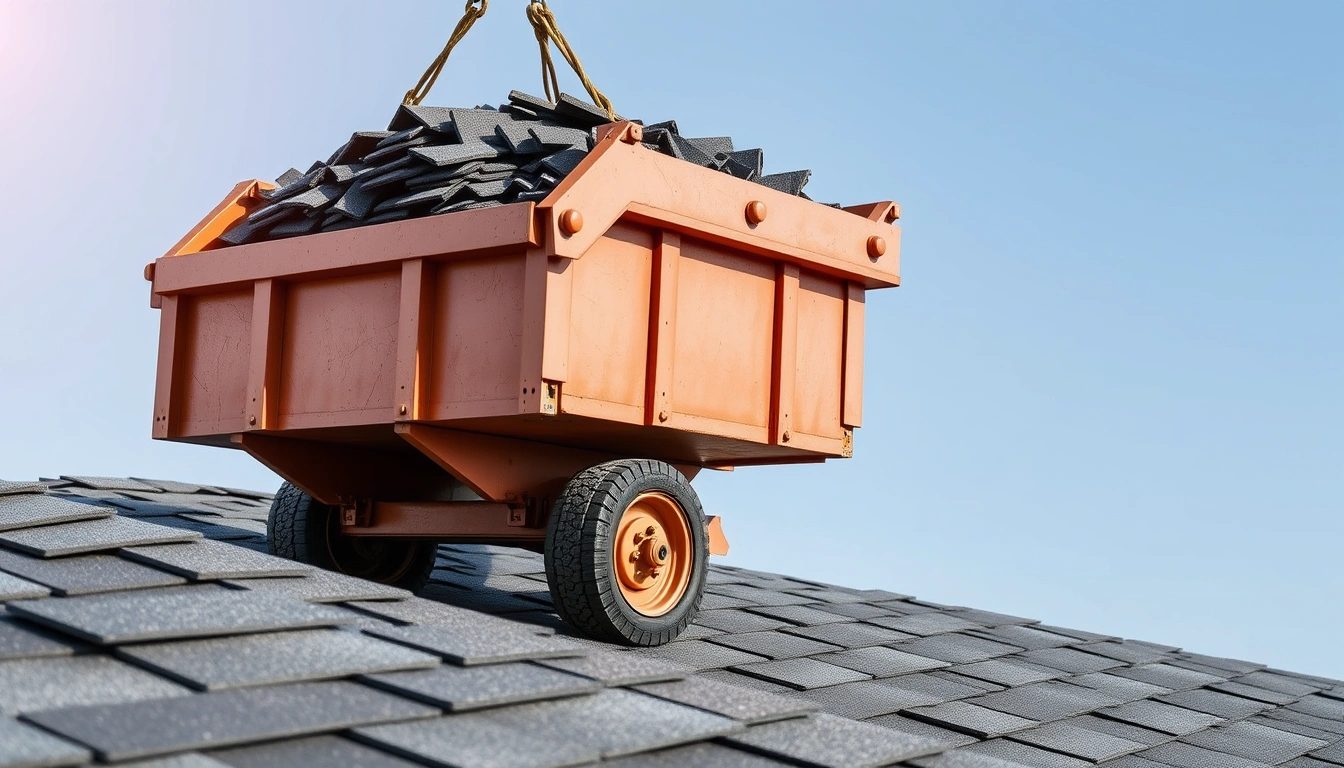
A 20 yard dumpster usually fits about 2 to 4 roofing squares of asphalt shingles in a real tear-off, and closer to 2 to 3 squares if the shingles are wet, layered, or mixed with other debris. That is the practical answer for Rome GA, not the fantasy number people hope for on paper.
Why so little? Because the dumpster’s cubic space and its tonnage limit are both in play. Shingles settle heavy, and a roof tear-off dumpster can hit its weight limit before it looks full. If the dumpster is rated for a few tons, a pile of dense shingles can use that allowance surprisingly fast.
For most single-story houses, a 20 yard bin works when the roof is modest and the tear-off is clean. For larger homes, two-story roofs, or roofs with a second layer, I would plan on a bigger bin or a second haul. That is especially true if the job includes flashing, rotten decking, or old felt that has soaked up moisture.
Rome GA roofers often compare the container against the dump fee, not just the delivery fee. If you are sorting a larger remodel or job site load, the mixed construction debris dumpster page is useful because shingles plus wood scraps do not behave like clean shingles alone.
Quick check: if your roof is under about 20 squares and the tear-off is only shingles, a 20 yard dumpster is often enough; if it is 25 squares or more, start pricing the next size up.
What dumpster size do I need for a full roof tear-off?
For a full roof tear-off, the best dumpster size is usually the one that matches your roofing squares and your included tonnage, not the one with the biggest number on the side. In many cases, a 20 yard dumpster handles a smaller tear-off, while a 30 yard dumpster gives you the breathing room that layered or steeper roofs need.
If the roof is single-layer asphalt shingles and you are removing one average home’s worth of material, a 20 yard dumpster is often the first call. If the roof is larger than about 2,000 square feet, has two layers, or includes substantial wood waste, a 30 yard dumpster is usually safer. That choice reduces the odds of a second pickup, which often costs more than sizing correctly the first time.
Use this decision path
- Count or estimate roofing squares from the roof area.
- Decide whether the tear-off includes one layer or two.
- Estimate shingle tonnage at 200 to 250 pounds per square per layer.
- Add weight for felt, nails, drip edge, and minor wood scraps.
- Compare the total to the dumpster’s included tonnage and not just its length.
- Choose the bin that leaves at least one ton of cushion if the roof is wet or layered.
I have seen crews save money by ordering the larger bin only when the roof was truly heavy, and by choosing a smaller bin on clean one-layer jobs. That is the trade-off: a bigger container costs more upfront, but a second trip plus overage can cost more in the end. If you want a broader rule set for disposal limits, the local dumpster weight limits Rome GA page is the piece to read before you commit.
Quotable line: a full roof tear-off commonly lands between 2 and 6 tons, depending on roof size, layer count, and moisture.
Quick check: if your roof is simple, single-layer, and under 20 squares, a 20 yard dumpster is often fine; if the roof is layered or large, price a 30 yard dumpster before you order.
The 3 conditions that change everything
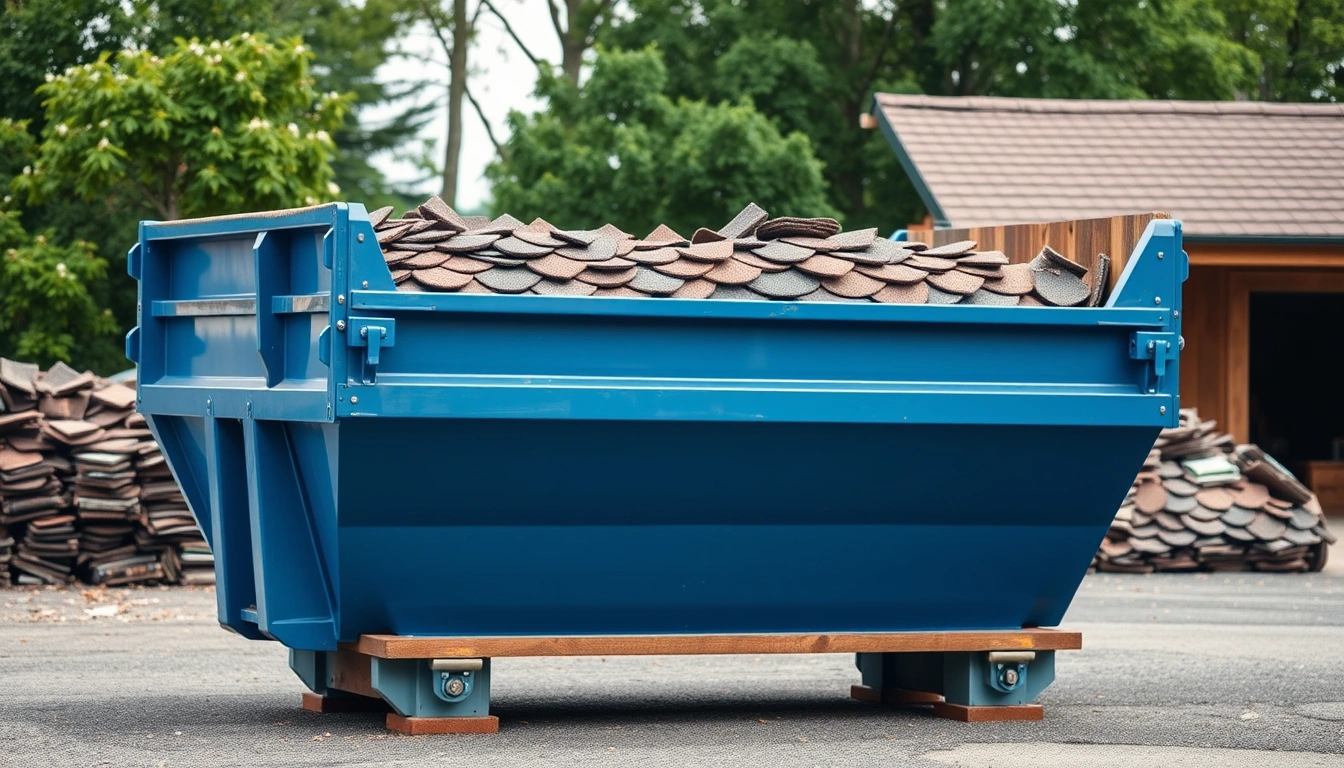
Three things change the roofing shingles dumpster weight math fast: roof pitch, layer count, and moisture. If any one of those goes up, the weight climbs and the usable dumpster space shrinks.
| Situation | Best Path | Why Other Options Fail |
|---|---|---|
| Steep roof pitch | Pad the estimate by 10% to 20% | Steep roofs often generate more tear-off waste and slower loading, which makes a too-small bin fail early |
| Two-layer tear-off | Move up one dumpster size or add tonnage cushion | Layered shingles can double the load faster than the dumpster looks full |
| Wet shingles after rain | Delay loading if possible or add extra tonnage allowance | Water-soaked shingles can blow past the planned weight limit |
| Mixed debris with wood scraps | Use a mixed load plan and confirm accepted materials | Shingles plus lumber, nails, and felt change both weight and fill pattern |
If the crew is also tossing in branches, old trim, or porch debris, the answer shifts away from a pure roofing debris dumpster. In that case, a separate yard waste dumpster can keep the load cleaner and help prevent a surprise at the scale.
One concrete benchmark helps here: a single roofing square of asphalt shingles commonly weighs about 200 to 250 pounds, but a wet, two-layer square can feel much heavier in real disposal terms because the load packs tighter and the weigh tickets climb faster. That is why a “same size roof” can produce very different results from one house to the next.
Quick check: if the roof is steep, wet, or layered, do not trust a rough square-foot estimate; switch to a cushion-based estimate and size the bin up.
Roof size to dumpster size table
If you want the cleanest order, use roof squares first and dumpster size second. That is the fastest way to translate shingle tonnage into a dumpster decision without overthinking it.
This table uses typical asphalt shingles at about 200 to 250 pounds per square and assumes a clean tear-off. Add cushion if the roof has more than one layer or if the debris includes wood, felt, or flashing.
| Roof size | Approx. roofing squares | Typical shingle tonnage | Best dumpster size |
|---|---|---|---|
| 1,000 sq ft | 10 squares | 1.0 to 1.25 tons | 10 yard to 20 yard |
| 1,500 sq ft | 15 squares | 1.5 to 1.9 tons | 20 yard |
| 2,000 sq ft | 20 squares | 2.0 to 2.5 tons | 20 yard or 30 yard |
| 2,500 sq ft | 25 squares | 2.5 to 3.1 tons | 30 yard |
| 3,000 sq ft | 30 squares | 3.0 to 3.75 tons | 30 yard or larger |
This is where a lot of people get tripped up in 2026: they think square footage equals dumpster size. It does not. Square footage only helps after you convert it to roofing squares and then to tonnage. If your roof is just one layer and the load is clean, the table above is usually close enough to order from.
Quotable line: 20 roofing squares of asphalt shingles commonly weigh about 2 to 2.5 tons before you add moisture or mixed debris.
Quick check: if your roof is near 20 squares, you are in the gray zone where either a 20 yard or a 30 yard dumpster can work, but tonnage decides the safer pick.
How to order without guessing
The safest way to order a roofing dumpster is to do the math before you call. If you already know the roof squares, you can usually land on the right dumpster in five minutes instead of gambling on the cheapest option.
Use this order checklist
- Measure the roof or get the roofing squares from your contractor.
- Confirm whether the tear-off is one layer or two layers.
- Estimate the load at 200 to 250 pounds per roofing square.
- Ask for the included tonnage, the overage rate, and whether shingles, wood, or mixed debris share the same limit.
- Compare at least two dumpster sizes, usually 20 yard and 30 yard, before deciding.
- Schedule delivery for the morning if the tear-off starts early, because bins fill faster than people expect.
One useful habit is to ask the rental company for the accepted material list and the weight limit at the same time. That is where the local yard waste dumpster rental Rome GA and weight-limit resources help you sort what belongs in which container. It is a small step that prevents a big invoice later.
I learned this the hard way on a re-roof where the estimate ignored a second layer. The bin looked half full when the driver weighed it, and the overage erased the savings from choosing the smaller dumpster. That is the lesson I remember every time I price a roof tear-off dumpster now.
Quick check: if you cannot answer “how many squares, how many layers, and how many tons,” you are not ready to order yet.
Edge cases where standard advice breaks down
Some jobs do not fit the standard 20 yard rule, and those are the ones that cause the most expensive mistakes. If any of these scenarios apply, change the plan before the first shingle comes off.
- Two layers of asphalt shingles. The weight can rise fast, so move up a size or add a tonnage cushion. A single-layer estimate will be too low.
- Rain-soaked tear-off. Wet shingles pack heavy. Wait for a dry window if you can, or budget for extra tonnage.
- Mixed roofing debris. Add felt, drip edge, nails, and wood scraps, then compare the load to the dumpster’s weight limit, not just the volume.
- Small roof, steep pitch. The square footage may look manageable, but loading is slower and debris tends to pile unevenly. A slightly larger bin often saves time.
- Partial replacement with decking repairs. Rotten plywood changes everything. Even a few sheets can push a borderline load over the cap.
- Multiple dump days. If the tear-off spans more than one day, a smaller bin may work only if the pickup window is built around the job schedule.
If the roof tear-off includes tree branches, old fencing, or demolition scraps, split the waste streams rather than forcing everything into one roofing debris dumpster. The best disposal plan is often two smaller, cleaner loads instead of one overloaded one.
Quick check: if the job includes two layers, wet shingles, or wood repairs, assume the standard estimate is wrong until proven otherwise.
Quotable line: the biggest roofing shingles dumpster weight mistake is trusting cubic yards while ignoring the tonnage cap.
Common questions about roofing shingles dumpster weight
- Most asphalt shingles weigh about 200 to 250 pounds per roofing square, so roof size must be converted before you choose a dumpster.
- A 20 yard dumpster often fits about 2 to 4 squares of shingles, but the tonnage limit is usually the real constraint.
- Two layers, wet shingles, and mixed debris can turn a one-bin job into a second haul.
- The safest order is based on roofing squares, layer count, and included tonnage, not just dumpster volume.
How much does a square of roofing shingles weigh in a dumpster?
A square of asphalt shingles commonly weighs about 200 to 250 pounds in a dumpster after tear-off. If the roof has two layers or wet material, the practical load can run heavier because the debris packs tighter and the tonnage climbs faster than the pile looks.
How do I calculate the dumpster size for my roof size?
Measure the roof in square feet, divide by 100 to get roofing squares, then multiply by 200 to 250 pounds per square. After that, compare the total to the dumpster’s included tonnage. That sequence is more reliable than guessing from house size alone.
20 yard vs 30 yard dumpster for roofing — which fits a tear-off?
A 20 yard dumpster often fits a smaller single-layer roof tear-off, usually around 2 to 4 squares in real conditions. A 30 yard dumpster is the safer choice for larger roofs, second layers, or jobs with wood repairs, because the extra room helps when tonnage rises quickly.
Why did my roofing dumpster exceed the weight limit?
Roofing dumpsters usually exceed the weight limit because the estimate ignored a second layer, wet shingles, or mixed debris. Asphalt shingles are dense, so a bin can look half full while it is already near the tonnage cap. That is why weight matters more than volume.
How much does a roofing dumpster cost for shingle disposal in Rome GA?
Pricing in Rome GA usually depends on dumpster size, included tonnage, and overage risk more than on shingles alone. A cleaner one-layer tear-off is cheaper to dispose of than a mixed load. Ask for the base rate, tonnage allowance, and overage cost before booking.
How many bundles of shingles go in one roofing square?
Most asphalt shingle roofs use 3 bundles per roofing square, and each bundle commonly weighs about 60 to 80 pounds. That is why a square often lands around 200 to 250 pounds once installed shingles come back off the roof and into the dumpster.
The bottom line
Roofing shingles dumpster weight is not a guess-it-and-hope-it-works number. For most asphalt shingle tear-offs, the winning move is to calculate roofing squares, convert them to tonnage, and then choose the dumpster size with enough cushion for layers, moisture, and mixed debris.
Pick one thing from this article and try it this week, not all of it. Start by measuring roof squares and asking for the included tonnage before you book. If you want the broader disposal rules that sit behind this decision, keep the Rome guide handy: What Can & Can’t Go in a Dumpster in Rome, GA — Waste Types, Weight Limits & Overage Costs.
For most roof tear-offs, the right dumpster is the one that matches shingle tonnage first and cubic yards second.
See also: dumpster weight limits Rome GA
See also: what can you put in a dumpster Rome GA
See also: yard waste dumpster rental Rome GA