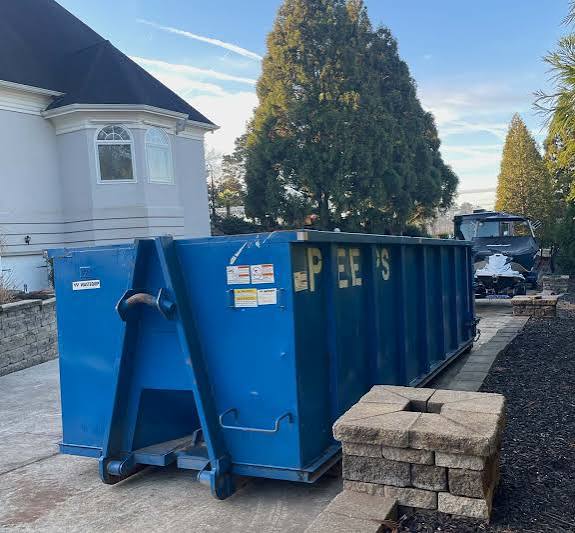
appliance disposal dumpster Rome GA: What Goes in, What Gets Charged
⏱️ 8 min read · Last updated: 2026
- Typical freon removal fee: about $25–$75 per appliance when arranged through a scrap yard, appliance recycler, or HVAC tech.
- Typical appliance surcharge count: 1 surcharge per freon-containing unit, with refrigerator, freezer, and AC unit disposal usually treated separately from plain metal.
- EPA rule: venting refrigerants is illegal, and civil penalties can reach tens of thousands of dollars per day under federal enforcement.
- Water heater disposal is usually simpler than refrigerator disposal because most water heaters have no refrigerant, but insulation, gas valves, and weight still matter.
- Floyd County landfill and private haulers may accept different appliances under different conditions, so the cleanest path is always a pre-check before pickup.
A fridge sat on a curb I was checking last spring, and the first quote everyone repeated was $45 to “handle the freon.” That number kept coming up because appliance disposal dumpster Rome GA is rarely about the metal itself; it is about what is still sealed inside it.
The annoying part is that the wrong move is easy to make. I have seen people toss a refrigerator into a load and get charged later, while a plain water heater went through with no drama except the weight. The difference was not luck. It was refrigerant, paperwork, and whether the hauler treated the appliance as a surcharge item or plain scrap.
The rule of thumb in 2026 is simple: if the appliance contains freon, assume it is a separate disposal decision, not just “metal in a dumpster.”
What actually changes the answer
If an appliance has freon, the answer changes immediately. If it does not, appliance disposal dumpster Rome GA is often straightforward and much cheaper.
The core issue is that refrigerants are regulated under EPA rules, while plain scrap metal is not. That means a refrigerator, freezer, or AC unit can turn into a special-handling item even when the rest of the haul is ordinary household debris. If you are trying to move fast, that is the first branch in the decision tree.
Here is the practical split I use: plain metal goes in the dumpster if the hauler allows appliances; freon appliance disposal usually needs proof of evacuation or a separate pickup path. The best shortcut is to ask the dumpster company one sentence: “Do you charge an appliance surcharge for refrigerator, freezer, or AC unit disposal?” That one question prevents the surprise bill that usually shows up after the fact.
For broader load rules, the city and county guidance can differ from private haulers, so it helps to cross-check the local policy on what can you put in a dumpster Rome GA before you start loading heavy items.
- Identify the appliance type: refrigerator, freezer, AC unit, water heater, washer dryer, or something else.
- Check whether it contains freon or another sealed refrigerant system.
- Call the dumpster provider and ask about appliance surcharge count.
- Ask whether the hauler needs a tag, proof of evacuation, or a separate line item.
- Load the item only after you know whether it is free, surcharged, or prohibited.
Quick check: If the appliance has a compressor, cooling lines, or a refrigerant label, treat it as a special-case item, not normal scrap.

Can I put a refrigerator with freon in a dumpster in Rome GA?
Usually, no, not without checking first. A refrigerator with freon is the classic case where refrigerator dumpster rules trigger a surcharge or require proof that the freon was removed by a qualified person.
Why? Because the refrigerator is not just metal and insulation. It contains refrigerant, and that is regulated under the EPA Section 608 framework. Venting freon into the air is illegal, and that is why many haulers will not treat a refrigerator like ordinary junk. Some will accept it if the refrigerant has been evacuated by a certified technician. Others will send it to a separate scrap stream and charge extra.
A refrigerator is often accepted only after freon removal, and the usual extra charge is $25–$75 per unit in 2026.
If you need the fastest path, do not guess. Ask whether the dumpster company wants the refrigerator empty, de-gassed, or completely excluded. A plain fridge door-off job still does not solve the refrigerant issue. The labor involved is tiny compared with the compliance risk.
I have seen two very different outcomes from the same sized load. One customer paid nothing extra because the refrigerator had already been certified refrigerant-free by a local HVAC tech. Another customer paid a surcharge because the refrigerator was still intact and the hauler had to treat it as a special item. The metal weight was similar. The paperwork was not.
If your goal is to keep the whole cleanup simple, a local junk path may be easier than forcing a fridge into a construction dumpster. When appliances stack up with mattresses, broken furniture, and box springs, a separate plan for mattress disposal dumpster Rome GA can keep the load cleaner and avoid mixed-item disputes.
Quick check: If the unit is a refrigerator or freezer and nobody has documented freon removal, assume it will be surcharged or rejected.
Do I need to remove freon before throwing away an old AC unit in Floyd County?
Yes, in most cases you do. An AC unit disposal job almost always needs freon removal before the unit goes into a dumpster, especially if the unit is intact and still contains sealed refrigerant lines.
This is where people get tripped up. A window AC, a central condenser, and a split-system component are not treated the same by every hauler, but the refrigerant issue is still the same. If the unit still contains freon, you need a certified evacuation step before disposal. The EPA does not care that the unit is broken or old. The refrigerant still matters.
For a clean workflow, use this sequence:
- Confirm whether the unit is a window AC, portable AC, condenser, or split-system component.
- Look for the refrigerant label and model plate.
- Call an HVAC tech or appliance recycler and ask for evacuation documentation.
- Ask the dumpster company whether AC unit disposal is accepted with or without proof.
- Keep the paperwork until the dumpster is picked up and the bill is final.
That paperwork is not busywork. It is the difference between a normal disposal line item and a rejected load. If you want the cleanest local route, compare dumpster disposal with other banned-item guidance for Georgia using what can you not put in a dumpster in Georgia before you commit the unit to a roll-off.
That number is why haulers care so much. They are not being picky for fun; they are avoiding liability that can land on the customer if the unit was handled badly. In 2026, “I did not know” is a weak defense when the appliance has a compressor and a refrigerant warning label.
Quick check: If the AC unit has a compressor, coil set, or refrigerant label, plan on a certified evacuation step before disposal.

Why water heater disposal is usually easier than refrigerator disposal
Water heater disposal is usually easier because most water heaters do not contain freon. That removes the biggest compliance issue and leaves you with weight, gas line safety, and haul limits.
That does not mean you can toss one blindly. Gas water heaters should be disconnected safely, and electric units are still bulky and heavy. A 40- to 50-gallon tank can be awkward enough to dent a dumpster wall if you drop it in hard. If the unit has been sitting in a basement, the real challenge is usually carrying it, not disposing of it.
In practice, water heaters are often accepted when the hauler allows appliances, but they may still count against tonnage because they are dense and heavy. That is where people get an overage surprise. The appliance itself may be allowed, but the extra weight can push a load past the included limit.
If your cleanup includes yard junk too, keep the load sorted. A dedicated yard waste dumpster is often smarter than mixing limbs, dirt, and appliances into one container.
Quick check: If the item is a water heater and not a cooling appliance, your main questions are weight, size, and local acceptance, not freon.
What gets free, what gets surcharged, and why
The cheapest path is usually plain metal with no refrigerant. The most expensive path is a freon appliance that shows up without evacuation documentation and has to be handled as a special item.
Here is the part that saves money: not every appliance needs the same path. A washer dryer is often the easiest pair because neither unit normally contains freon. A refrigerator or AC unit is the opposite. Once you see the difference, the fees make sense.
| Situation | Best Path | Why Other Options Fail |
|---|---|---|
| Washer dryer pair | Usually load with general appliances if the hauler allows it | No freon means fewer compliance issues, but weight can still matter |
| Refrigerator | Get freon removed first or pay the appliance surcharge | Haulers may reject it or add a per-unit charge if refrigerant is still sealed |
| Freezer | Treat like a refrigerator unless the company says otherwise | Same refrigerant issue, same possible surcharge |
| AC unit | Use certified freon appliance disposal before dumping | EPA risk and liability are too high for guesswork |
| Water heater | Confirm weight limits and lift safely | No freon issue, but heavy tanks can still cause overage costs |
The practical cost pattern I have seen most often in 2026 is simple: $0 extra for plain metal when accepted, $25–$75 for a freon appliance removal fee, and a second charge if the unit has to be hauled separately. Those are typical local market ranges, not guarantees. But they are the numbers that usually determine whether dumpster disposal wins or loses against scrap pickup.
If you are comparing local paths, ask the hauler whether the appliance surcharge count is per unit or per load. That one detail matters more than people think. One refrigerator in a mixed load may be a minor fee. Three old appliances can turn the job into a different pricing tier entirely.
Quick check: If the appliance still has a sealed cooling system, expect a separate charge; if it is a plain washer dryer or water heater, the answer is usually simpler.
The situations that break the normal rule
Some appliance jobs stop being normal the moment the unit is damaged, mixed with other debris, or headed to the wrong facility. In those cases, appliance disposal dumpster Rome GA follows the exception, not the rule.
Here are the edge cases that matter most:
1. The refrigerator is already gutted
If the refrigerator looks stripped but still has an intact compressor loop, it still counts as a freon issue. What changes is the outside appearance, not the legal risk.
2. The AC unit was cut apart
If refrigerant lines were cut by mistake, stop and call a professional. The release of refrigerant can create both a legal and environmental problem. Do not “finish the job” yourself.
3. The washer dryer is full of water
If the washer still holds water, drain it first. The disposal issue is not regulation here; it is mess, weight, and load cleanliness.
4. The water heater is rusted through
If the tank is leaking rust or sludge, wrap or contain it before moving it. A dirty load can trigger cleanup fees even when the appliance itself is allowed.
5. The load includes mixed banned items
If the dumpster already has tires, paint, or chemicals, the appliance may not be the real problem. The hauler may refuse the entire load. That is why it helps to know what can you put in a dumpster Rome GA before appliances go in.
My own mistake years ago was assuming a broken appliance was automatically “safe scrap.” It was not. One cracked appliance can still carry a sealed refrigerant system, and that tiny detail changed the pickup from routine to a rework call. Lesson learned. Look for the label, not the appearance.
Quick check: If the appliance is damaged, cut apart, leaking, or mixed into a dirty load, treat the disposal plan as a special-case decision.
How to choose the fastest path today
The fastest path is the one that matches the appliance type, not the one that sounds easiest. If it is a refrigerator, freezer, or AC unit, get freon handled first. If it is a water heater or washer dryer, confirm weight and acceptance, then load it cleanly.
For busy households, the best workflow is usually one phone call, one photo, and one rule check. That takes less time than fixing a rejected load later. If you need an appliance-heavy cleanup, line up the big items first and keep the mixed debris separate. The more you separate the load, the fewer surprises you pay for.
- Identify every appliance by type.
- Sort cooling appliances from non-cooling appliances.
- Ask the hauler whether each item is free, surcharged, or prohibited.
- Get freon documentation if needed.
- Load only after the pricing is clear.
Quick check: If you can name every appliance in your pile and say whether it contains freon, you are ready to book without guessing.
- Refrigerators, freezers, and AC units usually need freon removed or they get surcharged.
- Plain metal appliances like washer dryer units are usually simpler than cooling appliances.
- Water heater disposal is mostly a weight and handling issue, not a freon issue.
- The smartest first move is always to ask about appliance surcharge count before the dumpster arrives.
Common Questions About appliance disposal dumpster Rome GA
Can appliances with freon go in a dumpster in Rome GA?
Usually only after freon has been properly removed or the hauler has approved the unit under its appliance policy. Refrigerators, freezers, and AC units are the most common problem items. Expect a $25–$75 freon removal fee in many 2026 local markets.
How do I safely dispose of a refrigerator or freezer?
First, confirm whether the unit still has freon. Then schedule certified evacuation if needed, keep the paperwork, and ask the dumpster company whether the appliance is accepted as a surcharge item. Never assume “empty” means safe for disposal.
Dumpster vs scrap metal recycler for old appliances — which is better?
Scrap metal recyclers are often better for freon appliances because they may handle evacuation and recycling in one chain. A dumpster works better for multiple mixed items, but it can add surcharge costs. If the appliance is a refrigerator or AC unit, compare both before booking.
Why won’t they haul my fridge in the dumpster?
Most likely because the refrigerator still contains freon, the company needs proof of evacuation, or the load already includes other banned items. The fridge itself is not the only issue; liability and local rules drive the refusal. Ask for the exact acceptance rule before pickup.
How much extra does appliance disposal cost in a Rome GA dumpster?
Typical extra cost is about $25–$75 per freon appliance, depending on the hauler and whether the unit needs certified removal first. Plain appliances like a washer dryer usually cost less to dispose of, but heavy items can still affect tonnage pricing.
Do I need to remove freon before throwing away an old AC unit in Floyd County?
In most cases, yes. A certified technician should remove the refrigerant before disposal, and many haulers will ask for proof. AC unit disposal is one of the most common items to get rejected when the refrigerant step is skipped.
The Bottom Line
For appliance disposal dumpster Rome GA, the right move is not “can it fit,” but “does it contain freon, and does the hauler treat it as a surcharge item?” If the answer is yes, handle the refrigerant first or expect extra charges. If the answer is no, the disposal path is usually much easier.
Pick one thing from this article and try it this week: call the hauler before loading and ask whether your refrigerator, freezer, AC unit, or water heater is free, surcharged, or excluded. That five-minute call usually saves more time than the pickup itself. For the bigger picture, keep the local limits page handy: What Can & Can’t Go in a Dumpster in Rome, GA — Waste Types, Weight Limits & Overage Costs.
See also: what can you put in a dumpster Rome GA
See also: mattress disposal dumpster Rome GA
See also: yard waste dumpster rental Rome GA
Related: hot tub disposal dumpster Rome GA
Related: electronics disposal Rome GA