Last updated: October 25, 2026
Key Takeaways
- Dry, nonhazardous debris from cleanouts, remodels, and yard work usually fits a dumpster rental.
- Household junk, construction debris, yard waste, furniture, asphalt, shingles, and many renovation leftovers are often allowed.
- Sort by material first, then check what the disposal site may reject.
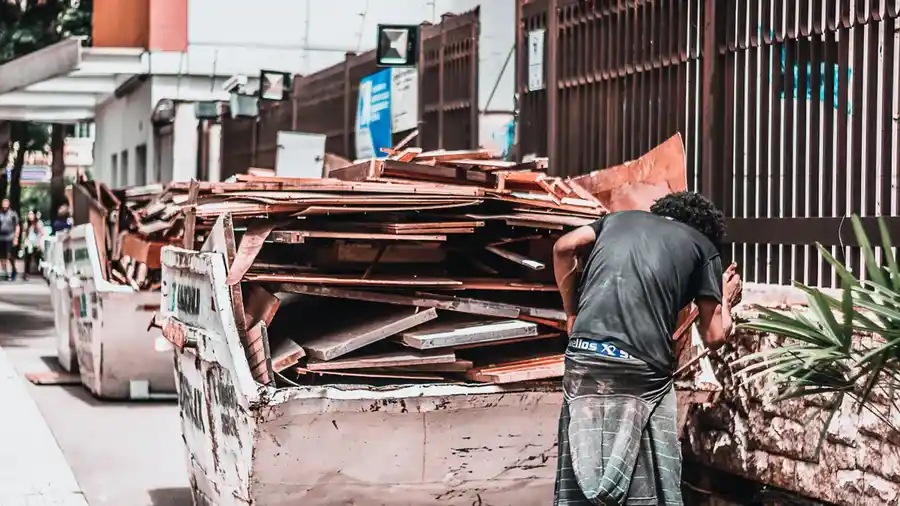
- Dry construction debris is often acceptable in a dumpster rental.
A dumpster rental for What Can You Put in a Dumpster Rental? is for ordinary waste, clean construction debris, yard waste, and many bulky household items, but not for anything hazardous, pressurized, or liquid. If you want the short answer before booking, think in terms of materials: most junk, wood, drywall, shingles, furniture, and yard trimmings are usually fine; paint, tires, batteries, and electronics often are not.
Dumpster accepted materials: what usually goes in
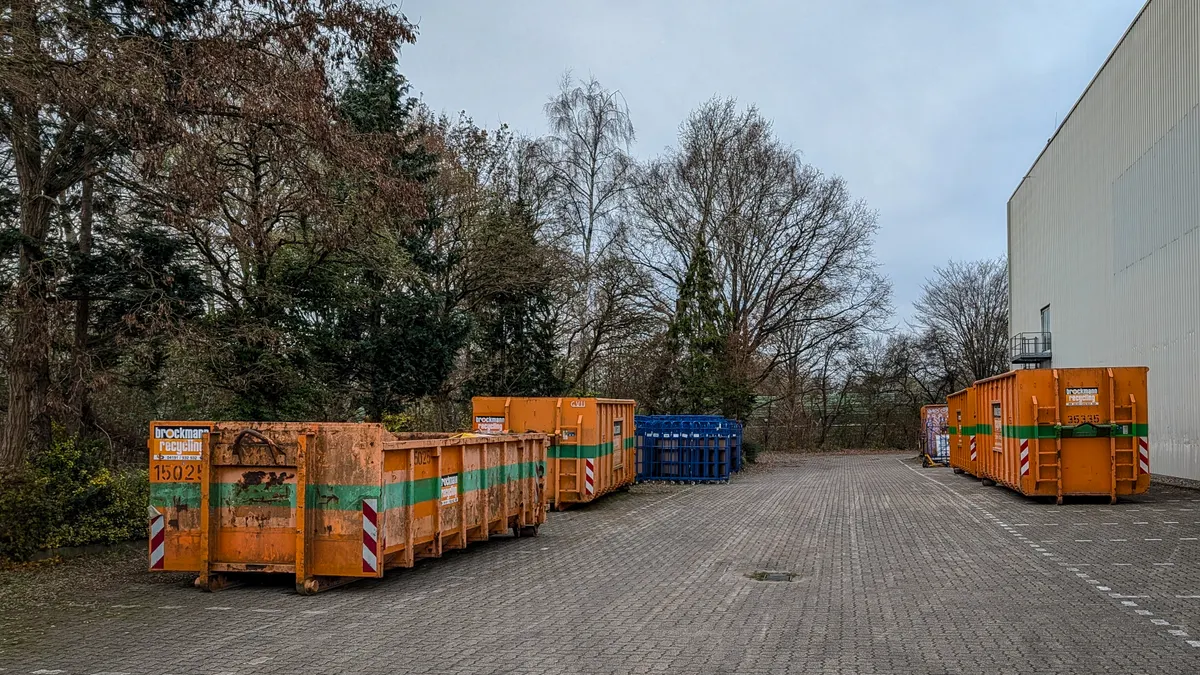
Dumpster accepted materials are the dry, solid, nonhazardous items left over from a cleanout, remodel, or yard project. That includes the kinds of loads people actually generate at home: broken furniture, boxes of household junk, torn carpet, lumber, drywall, and a pile of branches after trimming. For many roll-off jobs, these can be the safest bets, but always check the rental rules first.
A good rule is simple: if the item would stay solid in a truck bed and does not leak, spray, smoke, or burst, it is often a candidate for the dumpster. That does not make every item acceptable, but it gets you close fast.
Common accepted categories include:
- Household junk
- Construction debris
- Yard waste
- Roofing materials
- Mixed bulky trash
The key distinction is material type, not how annoying the item is to move. A sofa is usually fine. A can of oil is not. A stack of old cabinets is usually fine. A bucket of wet plaster slurry is not.
This is also why a “general debris” dumpster is different from a special-waste container. One is built for loose, everyday junk; the other is meant for materials with disposal rules attached to them. If you are sorting a garage, basement, or jobsite, the accepted-materials question matters more than the dumpster size question.
What can you put in a dumpster rental?
You can usually put household junk, construction debris, yard waste, furniture, asphalt, shingles, and many nonhazardous renovation leftovers in a dumpster rental. That covers the bulk of what most readers are trying to get rid of.
For household cleanouts, the usual load looks like this:
- Old chairs, couches, tables, and mattresses, if the rental company allows them
- Clothing, toys, books, broken décor, and storage clutter
- Cardboard, packaging, and other dry trash from a move or purge
- Non-electronic metal items like shelving, bed frames, and filing cabinets
For remodeling jobs, the standard list often includes:
- Drywall
- Wood framing
- Trim and baseboards
- Flooring
- Tile
- Cabinets
- Roofing shingles
- Asphalt
- Siding
For outdoor work, many dumpsters accept:
- Branches
- Brush
- Leaves
- Sod
- Small amounts of soil, if the provider allows it
- Old patio materials and fencing
A roofing load is one of the clearest examples. Asphalt shingles are a common accepted material because they are dry, heavy, and easy to sort by the disposal site. The same goes for ripped-out cabinets or a stack of old 2x4s. These are ordinary solid materials, not special waste.
The easiest way to think about it is this: if a material is common enough to come from a roof tear-off, kitchen demo, garage cleanout, or yard project, it often belongs in a dumpster rental. If it came from a battery case, paint shelf, or chemical cabinet, it probably does not.
One caution: mixed loads can change the rules. A dumpster full of shingles may be acceptable, but shingles mixed with paint cans, fluorescent bulbs, or propane cylinders becomes a different problem. Keep the load dry and ordinary, and you stay inside the normal disposal lane.
How to sort a load before it ever reaches the bin
Sort by material type first, then by what the disposal site is likely to reject. That takes 10 minutes at the start and saves headaches later.
- Put all clean, dry debris in one staging area. Use a driveway, garage floor, or tarp, not loose piles on damp ground. Dry material is easier to load and less likely to trigger disposal issues.
- Pull out hazardous or special items before anything goes near the dumpster. Separate paint, tires, batteries, electronics, chemicals, and pressurized containers into their own area.
- Break oversized items into manageable pieces. Cut long boards, flatten boxes, and disassemble furniture so the load settles evenly instead of bridging across the top.
- Keep liquids out of the pile. Empty or capped containers still count as questionable if they contain residue, and one leaking container can contaminate a whole load.
- Group similar materials together. Stack wood with wood, shingles with shingles, and yard debris with yard debris so you can spot the wrong item fast.
- Check the rental company’s list before you throw the first item. One provider may allow mattresses; another may charge extra or ban them.
The point of sorting is not perfection. It is to keep the load from turning into a mixed-material mess that the hauler has to separate later. A mixed load can mean extra charges, rejected pickup, or a second trip for cleanup.
This step matters most on renovation jobs. Drywall dust, wood scraps, old flooring, and trim are usually normal together. Old paint, solvent cans, and insulation bags are not. If your pile has a lot of “might be okay” items, stop and sort before the bin is half full. It is easier to remove one tire from the ground than from the middle of a compressed load.
Construction debris and roofing waste: the usual yes list
Construction debris is one of the main reasons people rent a dumpster, and most of it is acceptable when it is dry and nonhazardous. That includes wood, drywall, tile, flooring, siding, and asphalt shingles from ordinary demolition work.
Here is the kind of material that commonly fits this category:
- Dimensional lumber
- Plywood
- Drywall and plasterboard
- Roofing shingles
- Asphalt pieces
- Ceramic tile
- Carpet and pad
- Laminate and vinyl flooring
- Cabinets and vanities
- Insulation, if the provider accepts it
A roofing tear-off is a good example because it creates a heavy, uniform load. Shingles are dense, but they are not dangerous by themselves. Asphalt shingles are commonly accepted because they are a predictable waste stream and easy to manage at the landfill or transfer station.
The same logic applies to demolition scraps from kitchens, bathrooms, and basements. If the material came from walls, floors, cabinets, or roof surfaces, it is usually in the ordinary-construction bucket. The exception is anything with a warning label, liquid residue, or chemical content.
There are also practical limits. Dirt, concrete, brick, and stone can be accepted in some dumpsters, but they are heavy enough to affect loading rules and container choice. If you have a lot of masonry, do not assume it can ride with mixed construction debris. Ask before you start tossing chunks in.
Wood and drywall can create dust, and dust is one of the few invisible nuisances that causes trouble. Bagging small scraps, keeping plaster dry, and loading heavier pieces first help keep the pile stable. A stable load is easier to haul, easier to dump, and less likely to spill on the way out.
Household junk and furniture: what fits, what gets awkward
Household junk usually fits, but the awkward items are the ones that get people in trouble. Sofas, tables, dressers, books, toys, and broken chairs are the easy part. Mattresses, box springs, large appliances, and electronics are where the rules start to vary.
The clear yes list for a home cleanout often includes:
- Old furniture
- Clothing and linens
- Books and paper
- Toys and games
- Kitchenware
- Decorative items
- General basement and attic clutter
Furniture is common dumpster material because it is solid, dry, and easy to identify. A sofa does not create the same disposal problem as a bag of mystery liquids or a pile of mixed household chemicals. That said, a couch with a wet cushion or a chair stuffed with exposed foam and springs may be handled differently by some providers.
This is the section where people most often overestimate what “junk” means. A junk room is not the same as an all-purpose disposal room. Old paint cans in the basement, a dead mower in the garage, and a broken television in the den all look like clutter, but they are not the same kind of clutter.
A practical rule: if the item contains a battery, screen, compressor, refrigerant, or liquid, pause. Those parts are what make disposal tricky. Electronics are often sorted separately because they contain components that do not belong in a standard mixed-waste load. Appliances can be even more complicated if they still hold refrigerant or other regulated parts.
If you are clearing an entire home, make one pile for ordinary junk and one pile for special items. That split can help prevent a cheap cleanout from turning into a disposal problem on pickup day; when in doubt, consult the rental company or a local waste professional before loading.
Prohibited items: what stays out of a dumpster
Prohibited items are anything hazardous, pressurized, leaking, or regulated in a way that standard landfill disposal does not allow. The usual examples are paint, tires, electronics, batteries, chemicals, fuel, propane tanks, and asbestos-containing materials.
The most common no list includes:
- Paint and paint thinners
- Tires
- Car batteries and household batteries
- Electronics and televisions
- Motor oil and antifreeze
- Pesticides and herbicides
- Cleaning chemicals
- Solvents and adhesives
- Propane cylinders
- Fluorescent bulbs and other mercury-containing lamps
- Asbestos materials
Paint is a classic problem because a can may look closed while still holding liquid residue. Tires are another common rejection because they are bulky, tough to process, and often banned from mixed debris streams. Electronics can contain metals and components that require separate handling. Batteries can short-circuit or leak. These are not “just trash” in the way a broken chair is.
The word “special waste” matters here. Special waste is not ordinary household junk, and it is not ordinary construction debris. It needs its own disposal path because the material itself changes the risk or the recycling process. That is why a bucket of old paint or a stack of worn-out tires should be dealt with before the dumpster arrives, not after.
Who this is not for: if your load includes asbestos, chemical drums, or anything with unknown contents from a workshop or garage, a standard dumpster is the wrong tool. Those items need the disposal instructions that match the material, and that can mean calling a qualified hauler or a local facility before you book. For broader planning around a job in the area, the main hub on dumpster rental Rome NY can help orient the rest of the rental decision.
Special waste needs a different plan
Special waste needs separate handling because the problem is not volume; it is the material itself. A single gallon of wet paint can be more troublesome than a whole truckload of drywall offcuts.
Examples of special waste include:
- Paint and coatings
- Tires
- Electronics
- Batteries
- Fluorescent lamps
- Fuels and oils
- Chemicals and solvents
- Appliances with refrigerants
- Asbestos-containing materials
The disposal path for these items is different because the receiving facility may need to sort, recycle, treat, or reject them. That is why “Can I just throw it in with the rest?” is the wrong question. The better question is whether the item belongs in a standard mixed-waste stream at all.
The safest approach is to pull special waste out before delivery day, and if you are unsure about a material, consult the rental company or a local waste professional. Keep items in labeled containers if possible, and do not mix categories. A battery with yard waste is still a battery problem. A can of old paint with furniture is still a paint problem. Once these items are mixed, they are harder to identify and may contaminate materials that would otherwise be acceptable.
The trade-off here is time, not convenience. Separating special waste takes a little more effort, but it avoids rejected loads and cleanup delays. That is especially true on projects with a mix of household junk and renovation debris, where the ordinary materials are fine but one bad item can foul the whole container.
If you are unsure about a material, treat uncertainty as a warning sign and consult the rental company or a local waste professional. Anything that smells like a chemical, leaks, hisses, swells, or has a warning label should be set aside until it is confirmed safe for normal disposal.
Can you put mattresses in a dumpster?
Sometimes, yes. Mattresses are often allowed in a dumpster rental, but they can carry extra rules or fees depending on the hauler and disposal site. A mattress is bulky, awkward, and hard to compact, so it is worth checking before you book. If the company allows them, keep the mattress dry and free of bed bugs or contamination.
Can you throw away drywall in a dumpster?
Yes, drywall is commonly accepted in a dumpster rental. Drywall is standard construction debris, especially from remodeling and repair work. Keep it dry, avoid mixing it with paint, solvents, or other special waste, and break large sheets into manageable pieces so the load settles evenly.
What items are not allowed in a dumpster?
Hazardous and special waste are not allowed in a standard dumpster. That usually includes paint, tires, batteries, electronics, oil, fuel, propane tanks, chemicals, fluorescent bulbs, and asbestos-containing materials. If an item leaks, fumes, contains pressurized contents, or needs special treatment, it should be kept out and handled separately.
Drafted with AI; not yet reviewed by a person.