Last updated: November 03, 2026
Quick Answer
How to Load a Dumpster Safely and Efficiently comes down to four numbers and one rule: keep the load below the rim, use the full floor, stop before it crowns, and leave enough room for pickup. If your dumpster has a marked fill line, treat that as the limit; if not, use the top rail as the guide and check your rental terms for the exact weight limit before loading.
Loading a dumpster well means stacking heavy material low, spreading weight across the floor, keeping bulky items broken down, and stopping at the fill line before the truck arrives. If the load is balanced and below the rim, pickup goes smoother and you avoid extra handling charges or a refused haul.
Key takeaways
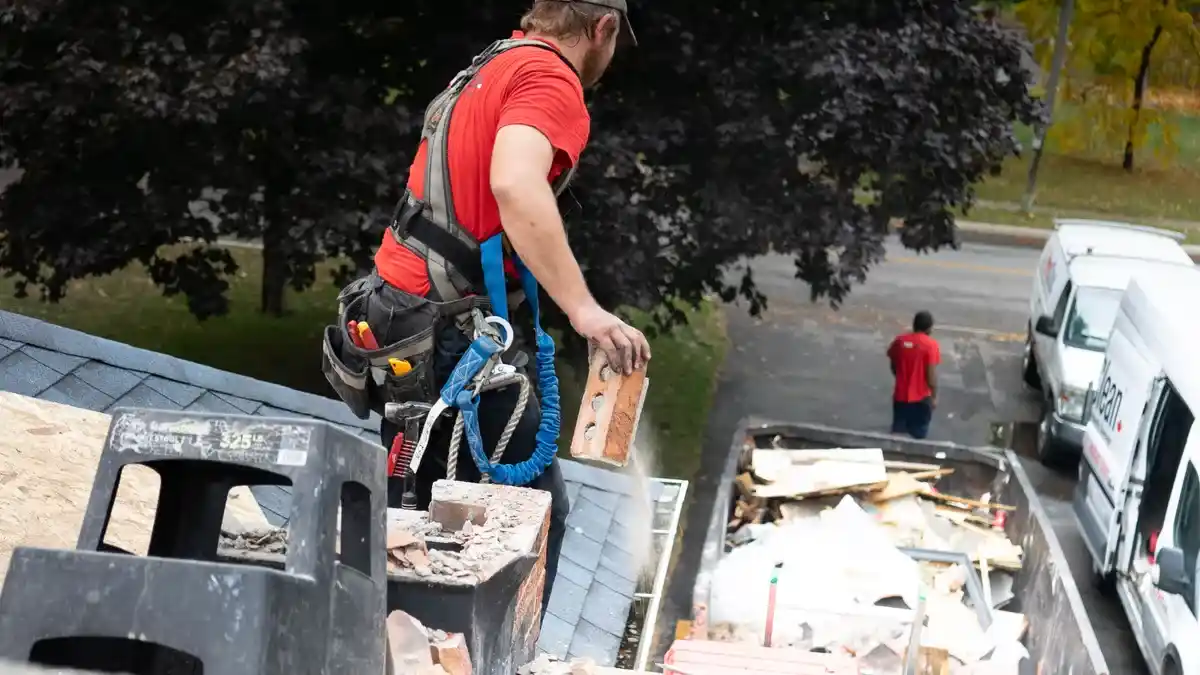
- Put the heaviest debris on the bottom and near the center of the dumpster floor.
- Break down anything large before it goes in, especially a mattress, cabinet, or sheet material.
- Keep the load even from front to back and side to side, not piled into one corner.
- Stop at the fill line; an overfull dumpster is a pickup problem, not a packing challenge.
- Use a wheelbarrow, dolly, or two-person lift for awkward debris rather than tossing it in fast.
- Treat weight limits as real limits, not suggestions, because dense debris can fill a container below the rim and still be too heavy; if you are unsure, consult the rental company or a waste professional.
What the dumpster loading process needs first
How to Load a Dumpster Safely and Efficiently starts with a clear path to the container, enough room to open the door if it has one, and a rough plan for where each kind of debris will go. A clean 8-yard, 10-yard, or 20-yard dumpster opening loads very differently from a heap that has already started forming a cone in the middle.
Start with a flat staging area beside the container. Put pallets, plywood, or boards nearby if the dumpster sits on soft ground and you may need a bridge for a wheelbarrow. Keep gloves, eye protection, a broom, and a utility knife within reach. If the debris includes construction debris, a mattress, or an appliance, set those items aside first so they can be broken down before the smaller scraps fill the middle.
The biggest mistake at this stage is dumping as you carry. That creates pockets of empty space under the top layer and forces awkward lifting later. A better setup is simple: one person carries, one person places, and the load follows a rough plan. That plan matters because a dumpster with a balanced load is easier to close, safer to haul, and less likely to need a second pass.
If the dumpster has rear doors, open them and load from the ground up. If it does not, build the load from the closest side and work inward. Either way, the first job is not speed. It is making a stable base for everything that comes after.
How do you load a dumpster step by step?

You load a dumpster by building a low, even base, placing the heaviest debris first, and stopping before the material rises above the top rail. That order keeps the load stable and helps you use the full floor area instead of wasting space in the middle.
- Clear the approach and open the dumpster door if it has one. Move loose debris away from the opening and make sure you can walk a straight path with a wheelbarrow or cart. When this is done right, the area around the container is open enough that you are not stepping over scraps or backing into obstacles.
- Set the first layer with the heaviest, flattest debris. Put broken lumber, concrete fragments if allowed by the rental, drywall, or other dense material directly on the floor and spread it from wall to wall. The bottom should look level, not mounded in one spot.
- Place long or bulky items against the sides. Slide boards, pipe, trim, or broken shelving along the edges so the center stays open. You should see a rectangle of usable space in the middle instead of a ridge across the floor.
- Break down large objects before they go in. Cut up cardboard, flatten boxes, remove doors from furniture if needed, and split a mattress or couch frame into smaller pieces when possible. The result is less empty space trapped inside hollow items.
- Fill gaps with smaller debris. Use loose scraps, bagged waste, and smaller pieces to pack the spaces around heavier items. The goal is snug contact between pieces, not compression at all costs.
- Keep distributing weight as the pile rises. Move around the dumpster so no corner becomes a high spot. If one side is visibly higher than the other, stop and level it before adding more.
- Finish by checking the rim line. The load should sit at or below the top edge, with nothing sticking up above the side rails. If you can see material peeking higher than the rim, remove it before pickup day.
This order matters because a dumpster is not packed like a trash can. It is closer to loading a trailer: stable first, then dense filler, then a clean top edge. For a local project, the hub page for dumpster rental Rome NY is the place to start if you need the rental details that sit around the loading process.
How to keep weight even so the dumpster can be hauled safely
You keep the load even by spreading dense material across the full floor, not by letting it settle into one heavy pocket. A dumpster can look half full and still be loaded badly if all the weight is concentrated at the front, back, or one side.
Start with the heavy pieces. A wheelbarrow full of demolition debris should be dumped near the center line of the container, then spread outward with a shovel or rake. If you have a mattress, place it flat along one wall instead of standing it on end. A standing mattress eats volume quickly and makes the top edge uneven. If you have an appliance, lay it where it will not rock and do not let it become the anchor for a leaning pile of lumber.
The same rule applies to construction debris. Dense scraps like tile, broken brick, or plaster should be spread in thinner layers, not dumped into a single cone. A cone makes the center too high and the edges too empty. That leaves voids under the top layer and can shift during transport. The better pattern is broad and low: one layer across the floor, then another layer that bridges the low spots.
A practical test is visual. Walk to each corner and look at the load from the outside. If one corner clearly stands higher than the rest, the container is not evenly loaded yet. Move material away from that corner and refill the low side. A balanced dumpster is not perfectly flat, but it should look level enough that the top line follows the container rather than the pile.
This is the part most generic guides miss. They say “don’t overload,” which is true but incomplete. The real issue is that uneven weight can create a pickup problem even when the dumpster is under the visible fill line. Haulers care about how the load sits, not just how high it looks.
What should go in first: heavy debris, bulky items, or loose material?
Heavy debris goes in first, bulky items go next, and loose material fills the gaps last. That order saves space and reduces the need to climb on top of the load later.
Put the dense material down before anything else. Concrete, tile, soaked carpet, dirt, or other heavy debris belongs low in the container because it forms the base that supports everything above it. Once that layer is in place, put the bulky items around it. A mattress, sofa pieces, cabinet shells, and flattened boxes fit better when they are not competing with a mound of loose scraps.
Bulky items need to be broken down whenever possible. Remove legs from furniture. Flatten cardboard. Take apart shelving. Cut long lumber to shorter lengths if that helps the stack lie flat. A 6-foot board laid across the top can block you from using the space underneath it, while the same board cut down and nested into a corner leaves the center open.
Loose material comes last because it fills voids. Bagged trash, small wood scraps, wire, and other irregular pieces are useful for packing around the larger objects. Do not throw loose debris in first and hope to fill around it later. That is how voids form, because the large pieces end up bridging over empty pockets.
There is a trade-off here. Breaking down bulky items takes time, and some objects are awkward or sharp once they are opened up. A mattress is faster to place whole, but a whole mattress wastes far more room. A cabinet shell may slide in easily, but its hollow center can trap a surprising amount of unused space. The better loading pattern is usually less convenient in the moment and better for the pickup.
How to avoid overfilling and pickup problems
You avoid overfilling by stopping at the rim, checking the container from all sides, and pulling material back down before the truck comes. Nothing should stick above the top edge, even a little.
The fill line is not decoration. If debris sits above the top rail, the dumpster can be refused, tarp-covered differently, or require reloading before it is hauled. That means more labor and more delay. A load that is flush with the top edge is often easier to secure and less likely to shed material during transport, but if you are unsure, confirm the exact cutoff with the rental company.
This matters even more with light, bulky items. Cardboard, foam, and broken furniture can look compressible, so people keep adding to the pile until it rises above the rim. Then the top layer shifts after the dumpster is closed or moved. Keep a straight visual line across the top edge and do not let the pile crown in the middle.
A simple habit helps: after each major item, step back 10 feet and look at the top profile. If the load is approaching the top rail, stop and rearrange rather than adding one more item. If the container has a marked fill line, use that as the hard limit. If there is no visible mark, use the side rail as your practical guide and confirm with the hauler if needed.
Also keep the door clear if your dumpster has one. A blocked door makes it harder to flatten the load from the inside and easier to create a hump near the opening. That hump can make the dumpster appear overfilled before you notice it.
There is no advantage to “just one more piece” once the rim is reached. The safer choice is to pause, flatten what is already inside, and leave a little headroom.
Common loading mistakes that cost time and space
The most costly loading mistakes are stacking too high too soon, leaving bulky items whole, and using the dumpster like a drop zone instead of a planned stack. Each one wastes square footage and makes the final cleanup harder.
First, do not build a tower in the center. A central mound leaves the corners underused and creates a top-heavy load that may shift. The fix is to spread each layer wider than the last so the pile rises gradually.
Second, do not toss long items in at random. A few boards, a mattress, or an appliance can create awkward gaps that are hard to fill later. Place them where they fit the shape of the container, usually along the sides or flat on the base.
Third, do not let small debris hide the real load. Loose scraps can make the dumpster look fuller than it is, which tempts you to stop too early. Then the remaining large items will not fit. Put the bulky pieces in first so the space they need is reserved.
Fourth, do not ignore the handling limits of the people loading. A wheelbarrow can make the job faster, but it can also invite overpacking one trip at a time. If a load is too heavy to lift safely, split it into smaller loads instead of forcing it. That protects backs, hands, and ankles.
Finally, do not treat the top edge as a suggestion. An extra 3 or 4 inches of debris can be enough to create a pickup issue. Flattening the top at the end is quicker than reworking a load after the fact.
These mistakes do not just create mess. They cost space, time, and sometimes a second round of labor. The better habit is to load slowly enough to keep the container usable from floor to rim.
When a wheelbarrow, appliance, or mattress needs special handling
A wheelbarrow, mattress, and appliance each need a different loading move because each one wastes space or shifts weight in its own way. Treating them like generic trash is where most loading problems start.
A wheelbarrow is best used as a transport tool, not a dump point. Empty it at the edge of the dumpster, then spread the contents before the next load goes in. If you tip the wheelbarrow and leave a cone-shaped pile, you lose the floor space around it. A loaded wheelbarrow also becomes harder to lift if the debris includes jagged wood or chunks of construction debris.
A mattress should usually be laid flat. If it stands on edge, it takes up a tall slice of volume and can push the rest of the load off balance. Fold or cut it down only if the material and tools allow it and if the item can be handled safely. Mattresses are awkward because they spring back and trap air, so plan for them early in the load rather than near the end.
An appliance needs room and care. It may be heavy, have sharp edges, or contain parts that should not be crushed. Put it low and close to the wall of the container, then use smaller debris around it to lock it in place. If the appliance is especially heavy, get help or use a dolly instead of trying to muscle it into position. A tipped appliance can dent the floor, block the door, or shift the load.
The common thread is simple: the more awkward the item, the earlier it should be placed and the more deliberately it should be supported. That is especially true when the load includes construction debris, which can settle around a rigid object and create hidden voids later.
The safest final check before pickup
The safest final check is a full walkaround that confirms the load is level, below the rim, and not concentrated on one side. That takes less than 5 minutes and can prevent a failed pickup.
Look from each corner of the dumpster. The top should sit below the side rail, with no boards, piping, insulation, or bagged waste sticking up. Check the center for a hump. Check the sides for leaning material that could fall when the container moves. If the dumpster has rear doors, make sure they can close fully without forcing debris inward.
If you spot a high area, remove material from that spot first. Do not just push it down and hope for the best. The goal is a load that is both compact and stable. If needed, redistribute small debris into low spots and pull anything loose away from the rim.
Drafted with AI; not yet reviewed by a person.