Last updated: October 21, 2026
Quick Answer: Yes, you may need a dumpster permit in Rome, NY if the dumpster sits in the street, on a sidewalk, or in any other public right-of-way; if it stays fully on private property, you often do not. The key issue is not the dumpster itself but where it lands, and the answer can change based on whether the placement affects traffic, parking, or access.
Key Takeaways
- Public right-of-way means city-controlled travel space, not just the driving lane.
- In Rome, NY, street placement is the setup most likely to need a dumpster permit.
- If the dumpster stays fully on private property, you usually do not need a street permit.
- The customer often begins the permit process, though the rental company may handle it.
Do you need a dumpster permit in Rome, NY?
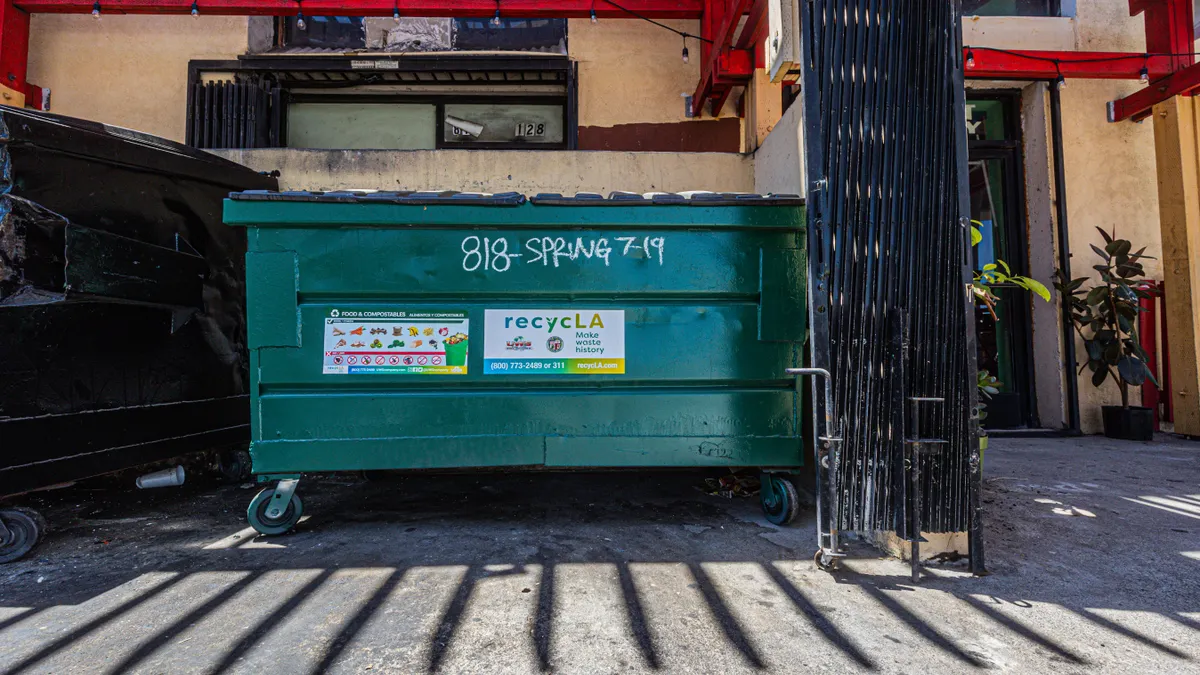
You usually need a street permit in Rome, NY when the dumpster goes on a public street or other public right-of-way, but not when it stays on a driveway or other private property. That simple split is the one most people need to hear first.
“Public right-of-way” is the part of the property used for travel and city access, which can include the pavement edge, curb lane, sidewalk, and similar space controlled by the city. A driveway on private property is different. If the container never crosses into the public way, the city usually has no reason to issue a street permit for it.
That said, placement rules are the part that get people into trouble. A dumpster placed too close to the roadway, too far into the parking lane, or partly onto a sidewalk can trigger permit issues; consult the City of Rome or the rental company before delivery. If the delivery truck needs to set the container down with the rear wheels or rails in the street, treat that as a permit question, not a guess.
If you want the broader rental picture for the area, the main hub on dumpster rental in Rome, NY covers the service itself. This page stays focused on the permit question, especially the line between street placement and driveway placement.
What counts as a public right-of-way in Rome?
A public right-of-way is the space the city or other public authority controls for travel and access, and that includes more than just the driving lane. In Rome, NY, the practical problem is usually a dumpster sitting where a parked car, pedestrian route, plow path, or curb access would normally go.
That means three common placements are treated differently:
- Driveway placement: usually private property, so no street permit if the dumpster stays inside the property line.
- Street placement: usually needs a city permit because it uses public space.
- Sidewalk or curbside placement: often the highest-risk setup because it affects pedestrian movement and may require extra clearance.
The exact boundary matters. A garage apron, a paved parking pad, or a widened driveway may still be private property, but only if the dumpster and delivery truck remain fully within that boundary. If the container extends 2 feet, 4 feet, or even a small amount into the street, that can change the permit question.
This is where a property owner should be careful. A renter, contractor, or landscaper may assume the spot is “fine,” but the city views the public right-of-way differently. The person ordering the dumpster should confirm the placement plan before delivery, especially in tighter blocks near downtown Rome where curb space is limited.
Can I put a dumpster on the street?
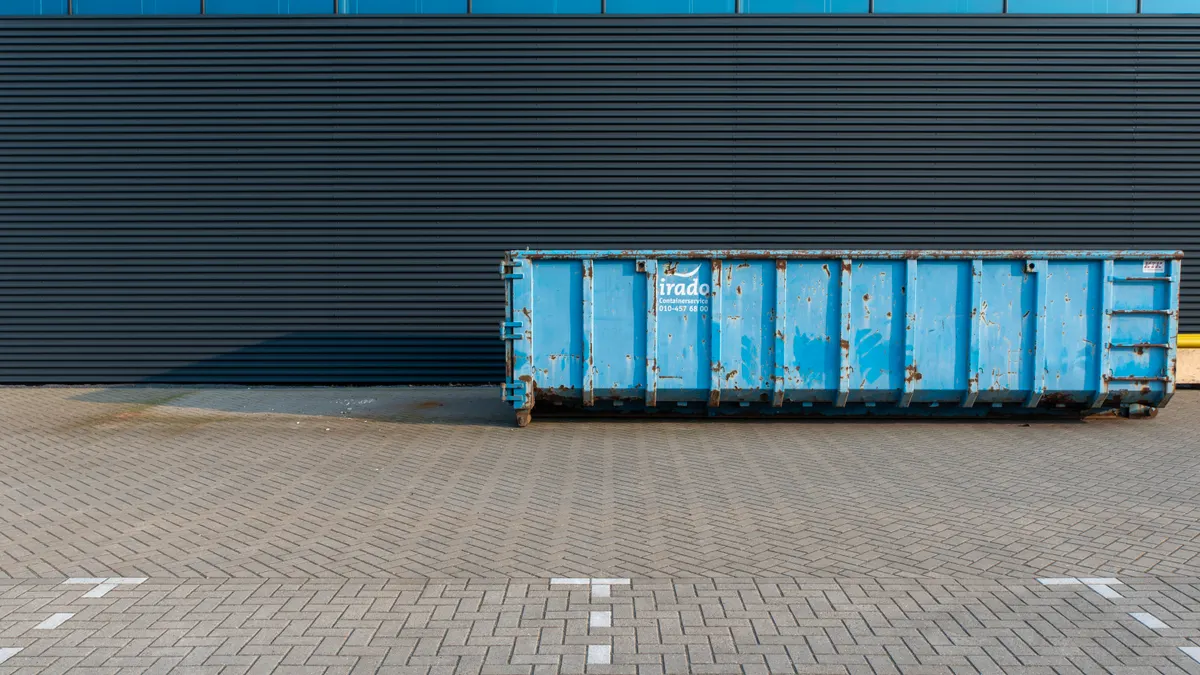
Yes, but in Rome, NY, street placement is the scenario most likely to require a dumpster permit or street permit. A dumpster on the street is not the same as a dumpster in a driveway, and that difference is usually what the city cares about.
Street placement can be useful when:
- the driveway is too short for the container,
- the site has no usable private parking pad,
- the driveway is steep, narrow, or blocked by overhead wires or trees,
- a jobsite on a dense block leaves no private space large enough for delivery.
The trade-off is obvious: street placement is more flexible, but it creates permission and access issues. It may block one parking space, reduce visibility near an intersection, or interfere with snow removal. In central Rome, that can matter more in winter when plow routes and parked cars already compete for space.
A practical rule is to treat street placement as a permit-first decision, not a delivery-first decision. If the dumpster is going in the roadway, ask who handles the permit, what the city requires, and whether the container can be placed without restricting a fire lane, hydrant access, or pedestrian passage.
Do I need a permit for a driveway dumpster?
Usually no, if the dumpster stays entirely on your private property and does not touch the public street or sidewalk. That is the cleanest answer for most Rome, NY homes with enough driveway space.
But “driveway” needs a careful reading. The container must fit without hanging into the road, sitting on the curb, or blocking a sidewalk apron. A 20-yard dumpster may fit easily on some driveways and not on others; the size question belongs on the rental page, but the permit question turns on location, not capacity. If the delivery truck has to stop in the street to place it, that can still raise a permit issue even if the container itself ends up on private ground.
There is also the homeowner’s side of the question. The property owner is usually the person responsible for approving the spot, even if a contractor is doing the work. If the project is at a rental home, a duplex, or a commercial site in Rome, the person controlling the property should verify the placement and any site rules before the dumpster arrives.
This is one reason driveway placement is the safer choice when it works. It avoids street permit delays and reduces the chance that a city inspector, neighbor complaint, or delivery driver will stop the job over location.
Who gets the permit, the customer or the rental company?
The customer often starts the permit process, but the rental company may handle it if that service is part of the arrangement. In Rome, NY, the important part is not who pays for the permit; it is who is responsible for making sure the dumpster is legally placed before delivery.
There are three common setups:
- Customer applies directly. This is common when the city wants the property owner or job-site contact to submit the street permit request.
- Rental company handles it. Some haulers coordinate street permits as part of delivery service, especially for repeat commercial work.
- Shared responsibility. The company tells you what information is needed, and the customer signs or submits the application.
If you are unsure, ask one direct question: “Will the dumpster be placed in the street or public right-of-way, and who is filing the permit?” That is the right question because it forces a yes-or-no answer about placement and responsibility.
The risk here is assuming the carrier “takes care of everything.” Sometimes it does; sometimes it does not. If a dumpster is dropped in the street without the proper permit, the owner or job contact may be the one dealing with the correction. That is not a good place to discover the rule after the truck leaves.
What Rome, NY delivery constraints can affect placement?
Delivery in Rome, NY is shaped by narrow streets, older residential lots, winter weather, and blocks where parking already runs tight. Those conditions do not create the permit rule, but they do make the rule matter more.
A few common constraints affect whether a dumpster can stay on private property:
- Short driveways: many homes do not have enough flat length for a container and a delivery truck setup.
- Low wires or tree limbs: the truck may need extra overhead clearance.
- Soft ground or uneven surfaces: spring thaw and rain can make a yard too soft for heavy placement.
- Snow and ice: winter plowing can block driveways and reduce curb access.
- Tight corners or narrow streets: downtown and older neighborhoods may limit maneuvering room.
These constraints are why Rome homeowners sometimes consider curbside placement, even when they would rather avoid a permit. If the driveway is blocked by snow or the site has no level landing area, the street may look like the only option. That is exactly when the permit question should come first.
A good rule is to decide the placement 24 to 48 hours before delivery, not the morning of. That gives enough time to confirm whether the container can fit on private property or whether the city needs to approve a street location.
What does a dumpster permit usually cost in Rome, NY?
A dumpster permit in Rome, NY usually costs less than the delay or fine that comes from putting the container in the wrong place, but the exact fee depends on the city’s current rules and the type of placement requested. I’m not going to guess at a number I can’t verify; city permit fees change, and the right answer is to check with the City of Rome before delivery.
Here is the practical cost picture for common placement choices:
| Placement type | Typical permit need | Cost expectation | Main trade-off |
|---|---|---|---|
| Private driveway | Usually no street permit | No permit fee in many cases | Requires enough private space |
| Street / curb lane | Often yes | City permit fee may apply | Takes public space and may slow delivery |
| Sidewalk or curb crossing | Often yes, and may face more scrutiny | Permit or special approval may apply | Pedestrian access becomes an issue |
| Commercial lot or jobsite | Depends on ownership and access | Case-specific | May involve landlord or site manager approval |
The hidden cost is time. If a permit is needed and nobody applies for it, the dumpster may sit off-limits until the paperwork is sorted out. That can delay a cleanout by a day or more, especially if the drop date is already tight.
For nearby service planning, Rome jobs often overlap with requests from Utica, New Hartford, and neighboring Oneida County towns, so local demand can rise around peak moving and renovation periods. That makes early placement planning more valuable than trying to solve the permit issue after the truck is on its way.
How should you check the permit rules before delivery?
You should confirm the placement rule with the city or the rental provider before the dumpster is dispatched, because the answer turns on location, not just on the fact that you rented a bin. For a street setup, ask for the permit requirement in writing if possible.
Use this checklist before delivery:
- Measure the driveway or planned pad, with at least 10 to 15 feet of clear access if possible.
- Confirm whether the dumpster will touch the street, curb, sidewalk, or public apron.
- Ask who files the street permit if one is needed.
- Check whether the location affects parking, hydrants, or pedestrian access.
- Plan around snow season, since curb access can change fast in Rome.
This is also where a reliable source helps. The U.S. Department of Transportation’s Federal Highway Administration explains the role of the public right-of-way in roadway access and safety standards, and the general principle is the same here: space used for public movement is regulated differently from private space. The American Planning Association also uses right-of-way language in land-use planning, but the city’s own rules still control the final answer in Rome.
The best choice is not always the cheapest one, especially when a driveway placement avoids a permit and a street drop adds an approval step. But if the driveway is too tight, the permit is the price of using public space legally. That is the real decision in Rome, NY.
If you are still deciding, ask one final question: will the dumpster sit fully on private property for the entire rental period? If the answer is no, treat the placement as a permit issue and resolve it before the container arrives.
Drafted with AI; not yet reviewed by a person.